Watch unlimited films online for $6.99.
Try MUBI for FREE.
 

Au bonheur des dames

France

1930

85 Min
Black and White
1.37:1
Silent
  • Currently 3.4/5 Stars.
  • 1
  • 2
  • 3
  • 4
  • 5

   |   

DIR Julien Duvivier

PROD Charles Delac, Marcel Vandal

SCR Noël Renard, Émile Zola

DP André Dantan, René Guichard, Émile Pierre, Armand Thirard

CAST Dita Parlo, Ginette Maddie, Andrée Brabant, Madame Barsac, Nadia Sibirskaïa

Synopsis

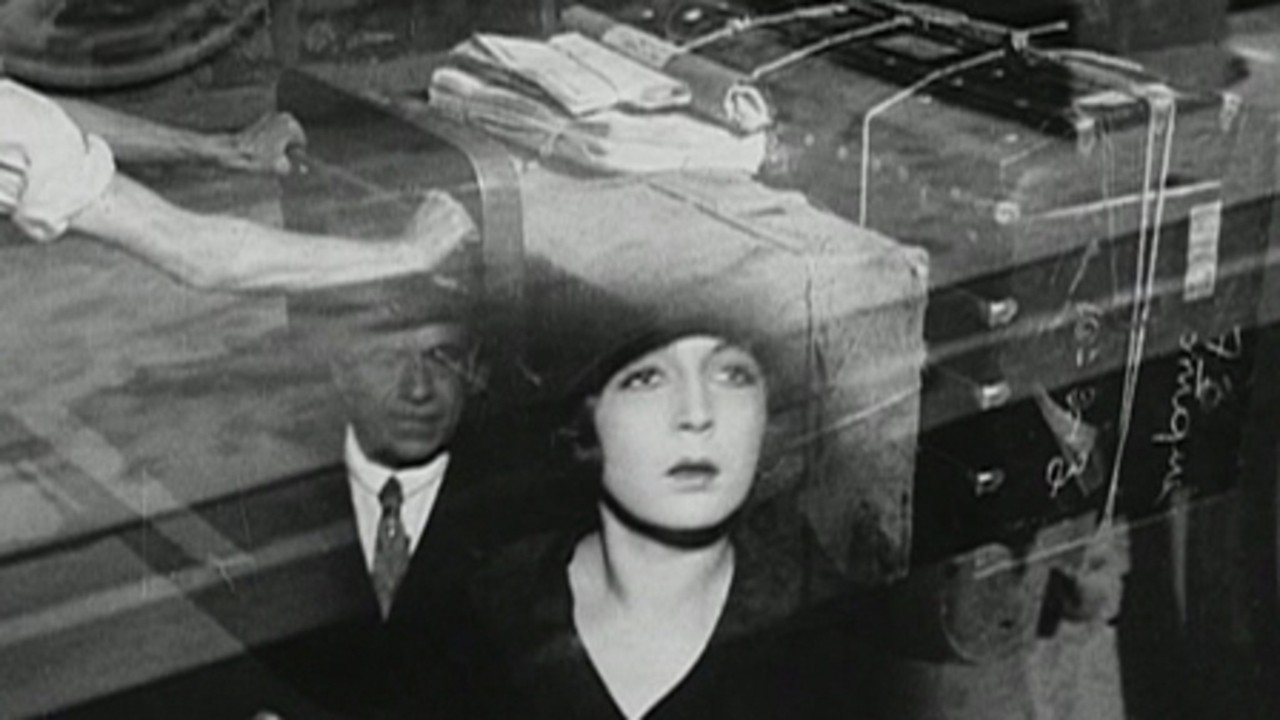
Duvivier’s final silent film is a modern retelling of Zola’s panoramic chronicle of mid-nineteenth-century Parisian society, centering on a small fabric shop struggling to survive in the shadow of a luxury department store. With expressionistic shades of Erich von Stroheim and G. W. Pabst (Duvivier worked for a time in the German film industry), Au bonheur captures the rhythms of urban life—and the pleasures of bourgeois consumer culture, with its obsessions with fashion and image—while also creating a stinging portrait of capitalist ruthlessness, class tensions, and sexual competition. “An orgy of pure cinema, from its opening train shot to its climactic visual effect of a magically converted storefront. Filming . . . in and around the Galeries Lafayette, Duvivier pulls out every trick in the book—elaborate crane and tracking shots; massive crowd scenes; surreal, constructivist montages—for this alternately sincere and cynical hymn to capitalist endeavor” (Scott Foundas, Village Voice). —BAM/PFA

Director

Original

Julien Duvivier

Briefly enrolled at the University in his home town of Lille, France, Julien Duvivier dropped out to study acting in Paris. Hired by Andre Antoine’s Theatre Libre, Duvivier was retained as Antoine’s assistant when the latter began directing films in 1916. After apprenticing under several notables of the French cinema, Duvivier was allowed to direct his first feature, Haceldama ou le Prix du Sang (1919). Working steadily and successfully throughout the 1920s, Duvivier emerged as one of the major French film talents of the early talkie era. He was particularly adept at handling multi-storied films, all-star efforts in which several short vignettes were tied together by a central theme. His two biggest European hits, Un Carnet du Bal (1935) and Pepe le Moko (1937), won Duvivier his first Hollywood contract. He made his American bow with a stylized and heavily romanticized biography of Johann Strauss, The Great Waltz (1938). Duvivier’s best-remembered Hollywood efforts of the 1940s were… read more

Wall

Displaying 0 wall posts.

Related Films

Fans

Displaying 5 of 8 fans.

Articles

Our roundup of essays and articles on this film.
W184

Tuesday Morning Foreign DVD Report: "Au bonheur des dames" (Duvivier, 1930)

By Glenn Kenny on July 21, 2009

Going by the sort of things that exemplary archivists Lobster Films and its American kind-of-partner Flicker Alley, as well as some other concerns

read article

Lists

Displaying 5 of 8 lists.

Reviews

No reviews yet — Write the first

Forum

Displaying 0 discussion topics.