Planned by the Soviet Central Committee to coincide with the celebrations for the 20th anniversary of the unsuccessful 1905 Russian Revolution, this film was developed by the 27 year-old Sergei Eisenstein from less than one page of script from a planned eight-part epic that was intended to chronicle a large number of revolutionary actions.
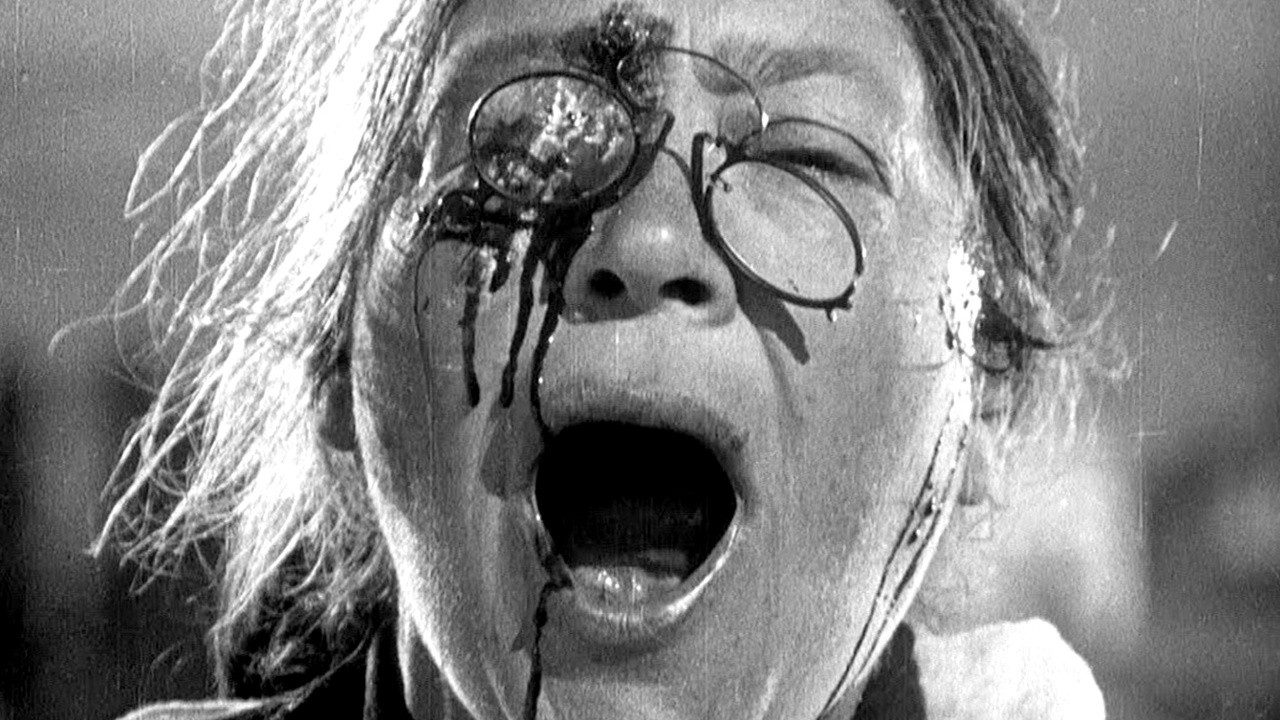
Starting with the Potemkin crew’s refusal to eat maggot-infested meat, the mutiny develops and their leader Vakulinchuk is shot by a senior officer. The officers are overthrown and when the Potemkin docks at Odessa, crowds appear from all directions to take up the cause of the dead sailor and open rebellion ensues. What became the most celebrated sequence in world cinema history follows as the Czarist soldiers fire on the crowds thronging down the Odessa steps; the broad newsreel-like sequences being inter-cut with close-ups of harrowing details.
Returning to sea, the Potemkin crew prepares the guns for action as the ship, flying the flag of freedom, steams to confront the squadron. When they finally meet their worst fears are allayed as, with relief coupled with joy, they are universally acclaimed. This film, which was destined to become such an influential landmark in cinematographic history, opened in Moscow in January 1926. It ran for only four weeks.
Directed by Sergei M. Eisenstein, from a script by Sergei M. Eisenstein and Nina Agadzhanova-Shutko.
The son of a shipbuilder, Eisenstein chose a career in the arts over engineering or architecture. After W.W. I he worked as a designer and a director in the theater, where he developed his theory of “Soviet realism.” One of his plays was staged not in a theater but in a gasworks. It was inevitable that Eisenstein would gravitate toward cinema, with its natural potential for realism.
His 1st film, Strike (1924), was so inventive and vigorous that it drew immediate attention. The 27-year-old director filmed Potemkin in 2 months. It is remarkable for its maturity and masterly use of camera techniques. Eisenstein was also a pioneer in film editing, and the film is a virtual textbook of this art. In a famous scene, a baby carriage rolls down a long flight of steps while a horrified student watches helplessly from below. The images are intercut and the action slows down, alternating the separate images into one shocking scene. So original was his style that even though it has been… read more
It's good. I like the Odessa steps scene. I think it's magnificent. I also was quite impressed by the flexibility of the editing and the ambitiousness of the project. The film is never boring for me despite the fact that I am never completely sure what's happening on screen throughout. It just has a certain grandeur and atmosphere to it that suggests power and freedom in cinema.
A look at a rare auction of Stenberg brothers posters of the 1920s.
"What makes Johann run — and rob?" asks Melissa Anderson in the Voice. "Benjamin Heisenberg's second feature is as taut, lean, and fleet
The Boston Festival of Films from Iran opens tomorrow and runs through January 29 and, in his overview for the Phoenix, Peter Keough opens
City of Lights, City of Angels, Los Angeles' festival of new French films, is on through the weekend and Anna Karina will be there on
Bruises from your head to your toeThere are marks all over you There's no place for you to hideSince they painted you black and blueThe Auteurs
“Battleship Potemkin” is essential viewing in learning how the language of film developed, especially the influence of Soviet theories of film montage; the juxtaposition of sequential images which… read review
A nakedly overt propaganda film depicting a dramatised version of a bloody uprising by Russian sailors against Tsarist oppression, Eisenstein also created one of the most influential films of all time… read review
Ademas de ser una obra que demostró todas las mejores posibilidades a las que podia llegar el cine, una precursa absoluta en eso de pensar al cine como un lenguaje y de yuxtaponer distintas herramientas… read review