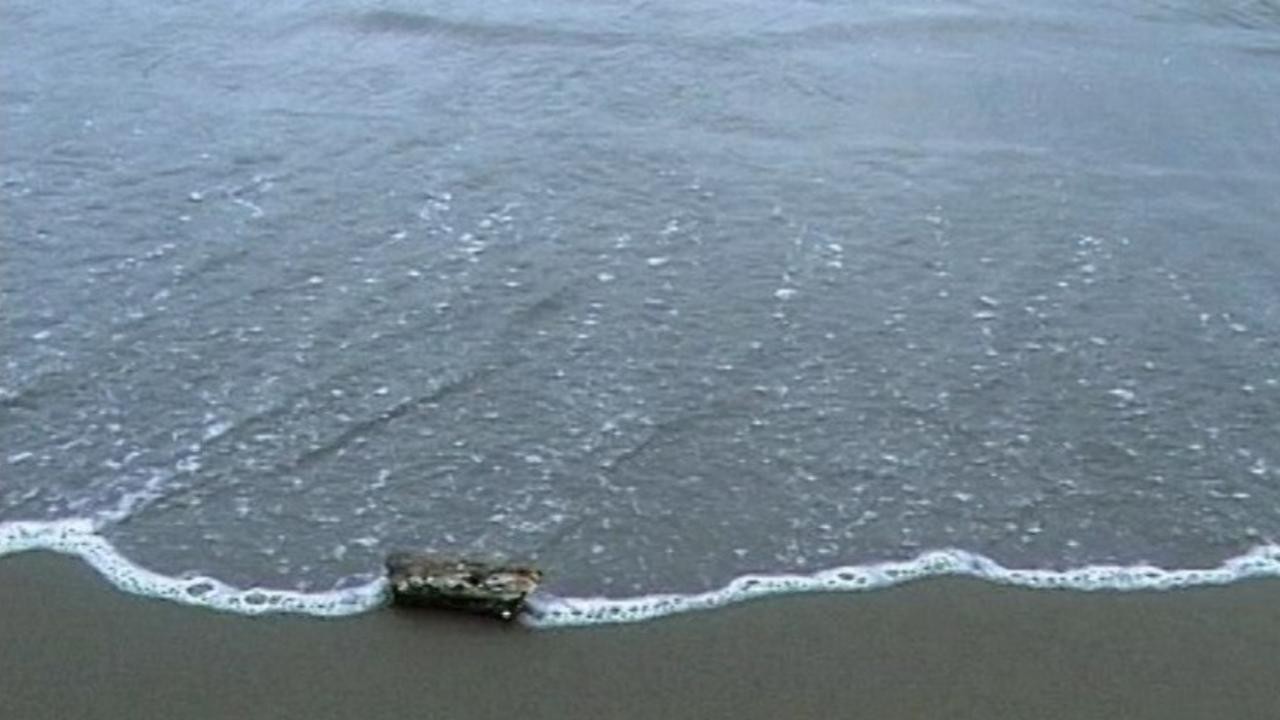
Five sequences : 1) A piece of driftwood on the seashore, carried about by the waves 2) People walking on the seashore. The oldest ones stop by, look at the sea, then go away 3) Blurry shapes on a winter beach. A herd of dogs. A love story 4) A group of loud ducks cross the image, in one direction then the other 5) A pond, at night. Frogs improvising a concert. A storm, then the sunrise. —IMDb
Abbas Kiarostami was born in Tehran, Iran, in 1940. He graduated from university with a degree in fine arts before starting work as a graphic designer. He then joined the Center for Intellectual Development of Children and Young Adults, where he started a film section, and this started his career as a filmmaker at the age of 30. Since then he has made many movies and has become one of the most important figures in contemporary Iranian film. He is also a major figure in the arts world, and has had numerous gallery exhibitions of his photography, short films and poetry. He is an iconic figure for what he has done, and he has achieved it all by believing in the arts and the creativity of his mind. —World Cinema Foundation
de la lumină la întuneric, chiarostami, kiaroscuro. -- les plages d'agnes, les plages d'abbas. plajele lui agnes varda sunt recapitulări ale unei vieţi prea puţin convenţionale, imponderabile şi pline de iniţiative deopotrivă, cele ale lui abbas sunt omagii lui ozu, dedicaţii, nu biografii.
între mare şi cel ce priveşte e mereu interpusă viaţa. în ciuda tăcerii universului sau, mai degrabă, a monotonei, acvaticei muzici terestre - viaţa, mişcarea, iluzia continuităţii şi a unui sens mereu căutat, mereu amînat. îl vom găsi noi. stînd ficşi, nemişcaţi, ca socrate sub portic, înainte de banchet. dar tablourile lui kiarostami nu vibrează, nu fac viaţa să germineze, să contamineze intens off-screenul. viaţa din ele e ca zgomotul care e necesar pentru a auzi şi mai intens tăcerea, după ce acesta trece. sunt ca un paradoxal exerciţiu de citire pentru orbi, care în alfabetul braille fac cunoştinţă cu un text ce le descrie perfecta lipsă de asperităţi a unei plăci de ghips.
PART IV (LAST)... Final thoughts: Kiarostami spends his life finding a hidden poetry in things. When I looked at what felt like an endless shot of the dogs, this feelings of fear grew in me when I noticed how bright it was getting. And how there was a dog sitting alone observing the beach, away from others. How does a person have the courage and patience to stand alone and spend his life doing something so beautiful?
PART III of wall post... I believe this poetic cinema strips everyday reality and its objects away from its names--dog, wood, wave, moon, pond, water, etc.--and allows you to create your own definitions of the object through your past experiences and emotions. These new definitions cannot be articulated with words because they represent sensory experiences not yet defined by common language.
PART II of wall post... Like with poetry, there is no correct response to this film. I remember Bukowski once said that poems should be like a "good hot beer shit." In essence, I believe what he meant was that poems should go through you like some life experience. How you react to it is your personality--there is no right or wrong. You could hate it, you could be very moved by it, or even take a nap. This is all OK.