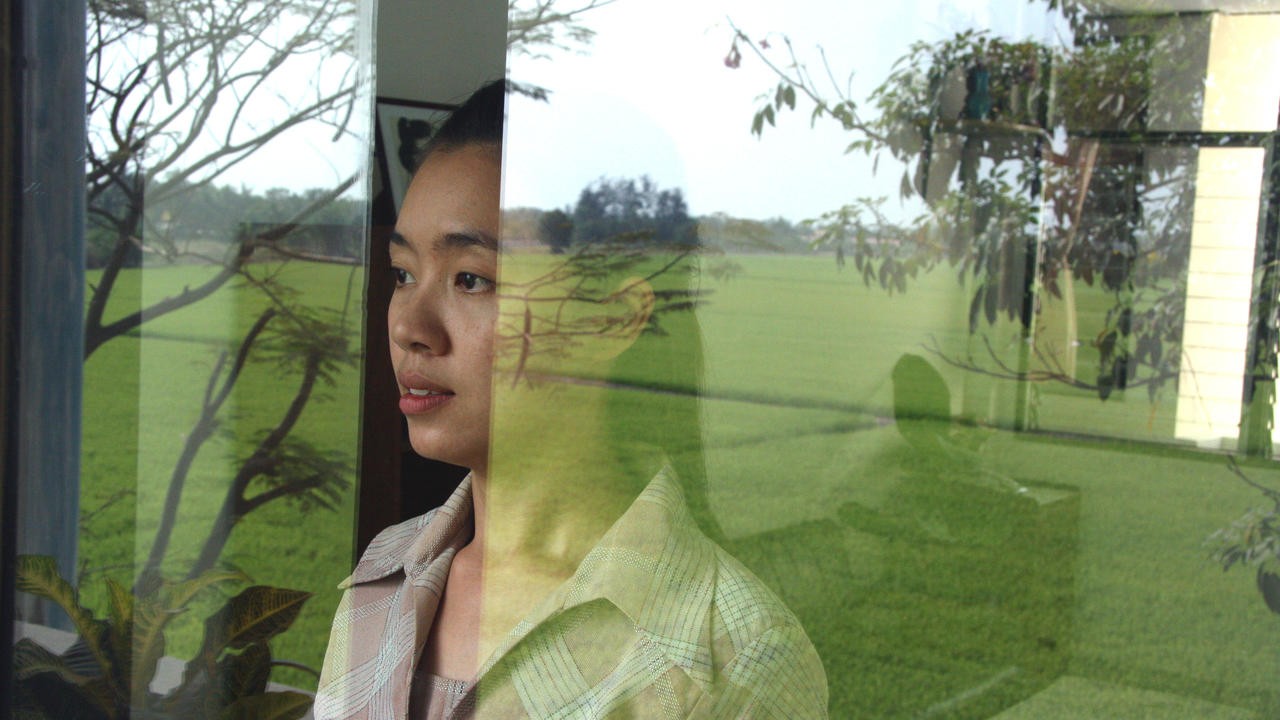
A film in two parts which sometimes echo each other. The two central characters are inspired by the filmmaker’s parents, in the years before they became lovers. The first part focuses on a woman doctor, and is set in a space reminiscent of the world in which the filmmaker was born and raised. The second part focuses on a male doctor, and is set in a more contemporary space much like the world in which the filmmaker presently lives. Pearls of wisdom, descriptions of syndromes and fragments of time crystallize in luminous atmospheres and dot the modern architecture of the film, creating a charming, quiet incantation. –IMDb
Apichatpong “Joe” Weerasethakul (Thai: อภิชาติพงศ์ วีระเศรษฐกุล; born July 16, 1970) is a Thai independent film director, screenwriter, and film producer. His feature films include Uncle Boonmee Who Can Recall His Past Lives, winner of the prestigious 2010 Cannes Film Festival Palme d’Or prize; Tropical Malady, which won a jury prize at the 2004 Cannes Film Festival; Blissfully Yours, which won the top prize in the Un Certain Regard program at the 2002 Cannes Film Festival; and Syndromes and a Century, which premiered at the 63rd Venice Film Festival and was the first Thai film to be entered in competition there.
Working outside the strict confines of the Thai film studio system, Weerasethakul has directed several features and dozens of short films. Themes reflected in his films (frequently discussed in interviews) include dreams, nature, sexuality (including his own homosexuality), and Western perceptions of Thailand and Asia, and his films… read more
The film retells a story of courtship with the same set of characters twice, first in a rural near utopia replete with singing dentists & orchid farmers; the second time with aseptic modernity & carbon monoxide poisonings (suicide?). It's worthwhile comparing it with Hal Hartley's similar experiment in retelling: Flirt. Neither film really succeeds but this one achieves more. Due to the greater liberties it takes?
The ethereal lives on, often nothing but warm, mere life otherwise. Syndromes’ own duality delineates Weerasethakul’s recurring hypothesis of contradiction in his homeland: modern medical science alongside ancient remedy, monks at the dentist, wanting to be DJs. The larger dichotomy of rural hospice and ultra-sleek cityscape, of man and woman in Thailand past and present, with his engagement with landscape, is but spellbinding. Its final montage invites broad comment on life immemorial, echoing Antonioni’s L’eclisse.
It's been a very long time since a film amused me the way this majestic work of art did...
Story of reincarnation, time travel, development and a bit of mystery which is as usual very him (Weerasethakul); not dramatic, silent and magical... One more film and I'd become a fan...
Photograph by Chaisiri Jiwarangsan © Kick the Machine Films, 2009. This week The Auteurs began its free online premiere of Apichatpong
Last week I posted my selection of the decade's best movie posters: a post which attracted a remarkable amount of attention, not least from
"Syndromes and a Century by Apichatpong Weerasethakul heads the tally of more than 50 films chosen as the best of the 2000s by TIFF Cinematheque
Structured and poised. Natural and meditative. The move from the first to the second half is striking and the change in setting and towards a more intimate and fluid camera was extremely satisfying… read review
The first half of this film is truly magical and playfully intoxicating. Weerasethakul manages to create epic change halfway through this film with a technologically updated environment and a new context… read review
78/100
**
This made several best of the decades list, and it’s not a bad pick, imo. TThe film is broken into two sections, both taking place in a hospital. The first section focuses on a… read review
Such a beautiful, meditative, funny, weird experience, all rolled into one. One of the few films I’ve seen that accurately reproduces the feeling of dreaming. Actually, it’s probably the ONLY one that… read review