Luc Besson was born in Paris on March 18, 1959, and spent most of his childhood living in the idyllic settings of various Mediterranean hideaways where his parents worked as diving instructors.With Besson’s surroundings and family influences, it seemed assured that he would embark on a similar maritime career. From the age of 10, after an encounter with a friendly dolphin, Besson was determined to become a marine biologist, specializing in the study of the species.
Besson studied for this life plan throughout his teens until, at 17, a diving accident prevented him from ever diving again. His long-held dream cut short, Besson redirected his sights, deciding that he would become a filmmaker. Besson dropped out of school to seek work in the French film industry, and started making his own experimental films in super-8. At the age of 19, he moved to Los Angeles.
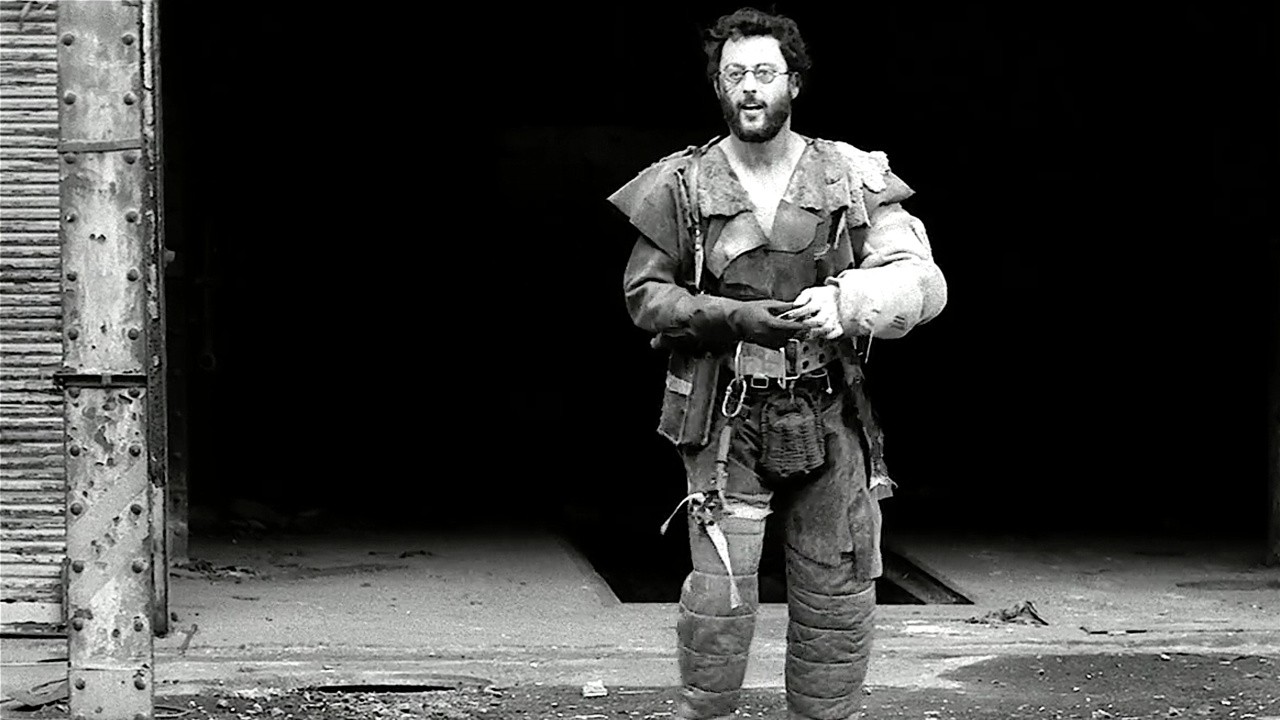
In 1983, after three years of experience as an Assistant Director, Besson made his first feature, Le Dernier Combat… read more
Luc Besson was born in Paris on March 18, 1959, and spent most of his childhood living in the idyllic settings of various Mediterranean hideaways where his parents worked as diving instructors.With Besson’s surroundings and family influences, it seemed assured that he would embark on a similar maritime career. From the age of 10, after an encounter with a friendly dolphin, Besson was determined to become a marine biologist, specializing in the study of the species.
Besson studied for this life plan throughout his teens until, at 17, a diving accident prevented him from ever diving again. His long-held dream cut short, Besson redirected his sights, deciding that he would become a filmmaker. Besson dropped out of school to seek work in the French film industry, and started making his own experimental films in super-8. At the age of 19, he moved to Los Angeles.
In 1983, after three years of experience as an Assistant Director, Besson made his first feature, Le Dernier Combat. Selected for competition in the Avoriaz Science Fiction Film Festival, the film won two major awards from the festival jury, which included Alan J. Pakula and Jean-Jacques Annaud among its members. It was nominated for a Cesar Award and went on to win 12 awards around the world.
Besson’s second film, Subway, starred Christopher Lambert in a Cesar-winning performance (one of 13 Cesar nominations garnered by the film), as a thief on the run who becomes involved with a fantastic subculture of Parisians living in the city’s underground. The film gained Besson an international reputation, and today it is regarded worldwide as a cult classic.
Besson’s 1988 film The Big Blue his first film made in English expressed the dreams of his Mediterranean youth by casting Jean Reno as an Italian diver with an unquenchable love for the sea. The version distributed in the U.S. suffered various unauthorized alterations, including a changes to the ending and to Eric Serra’s score. The original version of Besson’s film, nominated for seven Cesars, was a huge success throughout most of the world and is one of the top five films in French history. The original director’s cut was released on DVD last year.
Besson’s La Femme Nikita was the director’s first global sensation, a film that inspired remakes in both the U.S. and Hong Kong. The story of a feral, drug-addicted girl forced to train as a government hit-woman made international stars of leads Anne Parrilaud and Jean Reno and spawned a new form of thriller: the neo-noir action film. This influence still reverberates throughout world cinema. —www.Filmbug.com