Watch unlimited films online for $6.99.
Try MUBI for FREE.
 

Without Pity

Senza pietà

Italy

1948

90 Min
Black and White
1.37:1
Italian, English, Spanish
  • Currently 3.7/5 Stars.
  • 1
  • 2
  • 3
  • 4
  • 5

   |   

DIR Alberto Lattuada

EXEC Clemente Fracassi

PROD Carlo Ponti

SCR Federico Fellini, Alberto Lattuada, Ettore Maria Margadonna, Tullio Pinelli

DP Aldo Tonti

CAST Carla Del Poggio, John Kitzmiller, Pierre Claudé, Giulietta Masina, Folco Lulli, Lando Muzio, Enza Giovine, Daniel Jones, Otello Fava

ED Mario Bonotti

MUSIC Nino Rota

Synopsis

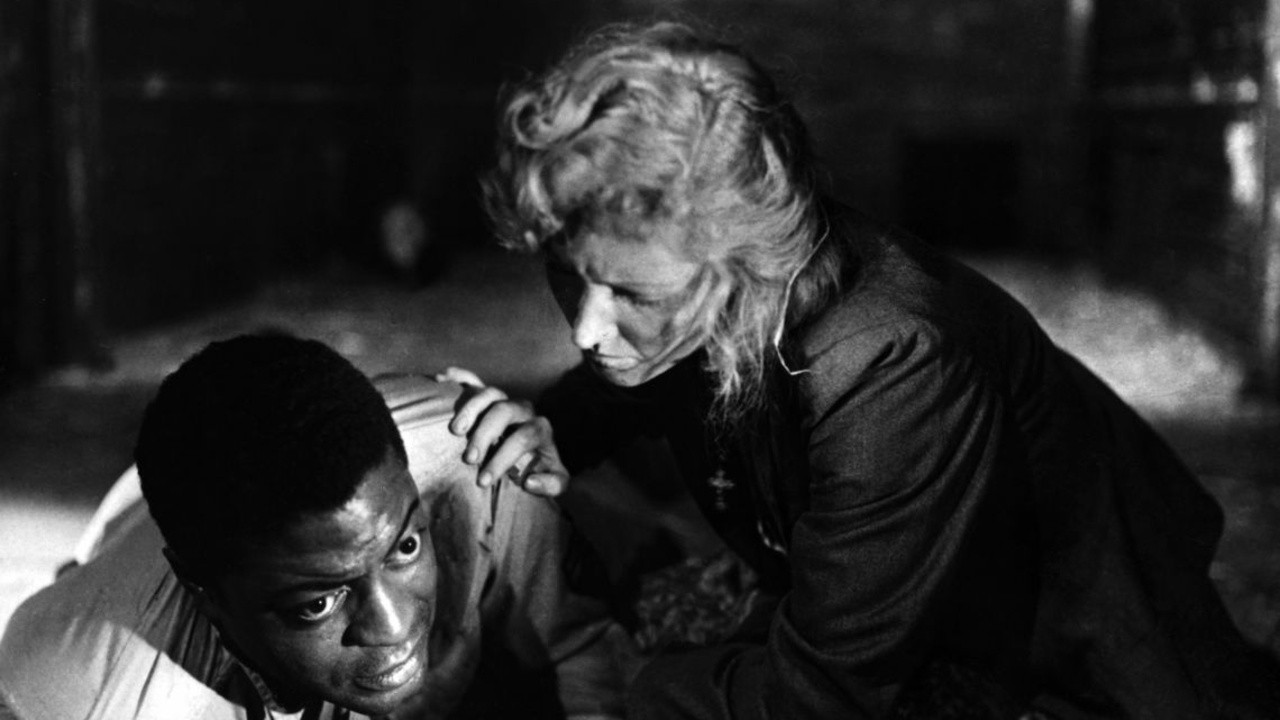
The film’s title captures the tone of Lattuada’s harsh vision of Italy where, as a title text informs us, “men and women had forgotten compassion and abandoned tenderness in their desperate struggle for survival.” A wounded black American GI (John Kitzmiller) takes refuge in a boxcar with an Italian prostitute (Carla Del Poggio). Their subsequent affair is set in the seedy underworld of the port city of Livorno, which is controlled by gang boss Pier Luigi (Pierre Claudé), whose white linen suits and effeminate manner have reminded critics of Peter Lorre. (Lattuada was a great fan of American gangster and noir films, which here are boldly united with neorealism.) Like Rossellini in Paisan, Lattuada treats the collision of Italian and American culture, but to decidedly darker ends. —TIFF Bell Lightbox

Director

Original

Alberto Lattuada

Italian writer/director Alberto Lattuada is the son of famed composer Felice Lattuada, who scored several of Lattuada’s films. After studying to be an architect at the Berchet School in Milan, Lattuada supplemented his income as a newspaper and magazine writer. He entered the Italian film industry in 1933 as a set decorator, graduating to “assistant in charge of color” in 1935. Five years later, he directed his first film. With Luigi Comencini, Lattuada founded Italy’s first film archive, Cinetica Italiana, in 1941; that same year he published a popular coffee-table volume, The Photographic Atlas. Stepping up his directing activities in the postwar years, Lattuada specialized in stylish costume pictures, often adapted from famous novels. His ventures into neorealism—Bandit (1946), Anna (1951)—tended to be slicker and more professional-looking than the similar efforts of his contemporaries. He gave the career of Federico Fellini a boost in 1950, when he and Fellini co-directed the well… read more

Wall

Displaying 0 wall posts.

Related Films

Fans

Displaying 3 of 3 fans.

Lists

Displaying 3 of 3 lists.

Reviews

No reviews yet — Write the first

Forum

Displaying 0 discussion topics.