Dao (Alain Gomis, 2026)
What is important to an artist is not always, and in fact may rarely be, what is important to those experiencing their art. Yet when asked about their movies, most filmmakers are prompted to do the audience’s work and interpret it for them. Rarely are directors asked to step beyond “what it means” and describe what means something to them—which aspects of their art they hold in high regard, and why. In order to spotlight the best films at this year’s Berlin International Film Festival, and to give directors the opportunity to speak in a freer way about their work, I asked a disparate group of filmmakers to select a memorable image or moment from their film and describe why it is particularly special to them.
Some chose to focus on the finished work, selecting a critical image or dramatic moment. Others reveal something about the process of making their film, particularly how happenstance and ingenuity can produce unexpected results. One answer countered the specificity of the question by venturing a more holistic viewpoint on the art (thanks, Radu), while others took the opportunity to speak more broadly about their artistic process.
Some answers may even make you feel like you need to see the film to fully understand them, but that’s perfectly okay. That is, we aim to showcase how different artists choose to reflect on their work and share what they value, from the filmmaking process all the way through to the final film. If the answers inspire you to watch (or rewatch) their films, that’s all the better.
Eight Bridges (James Benning, 2026).
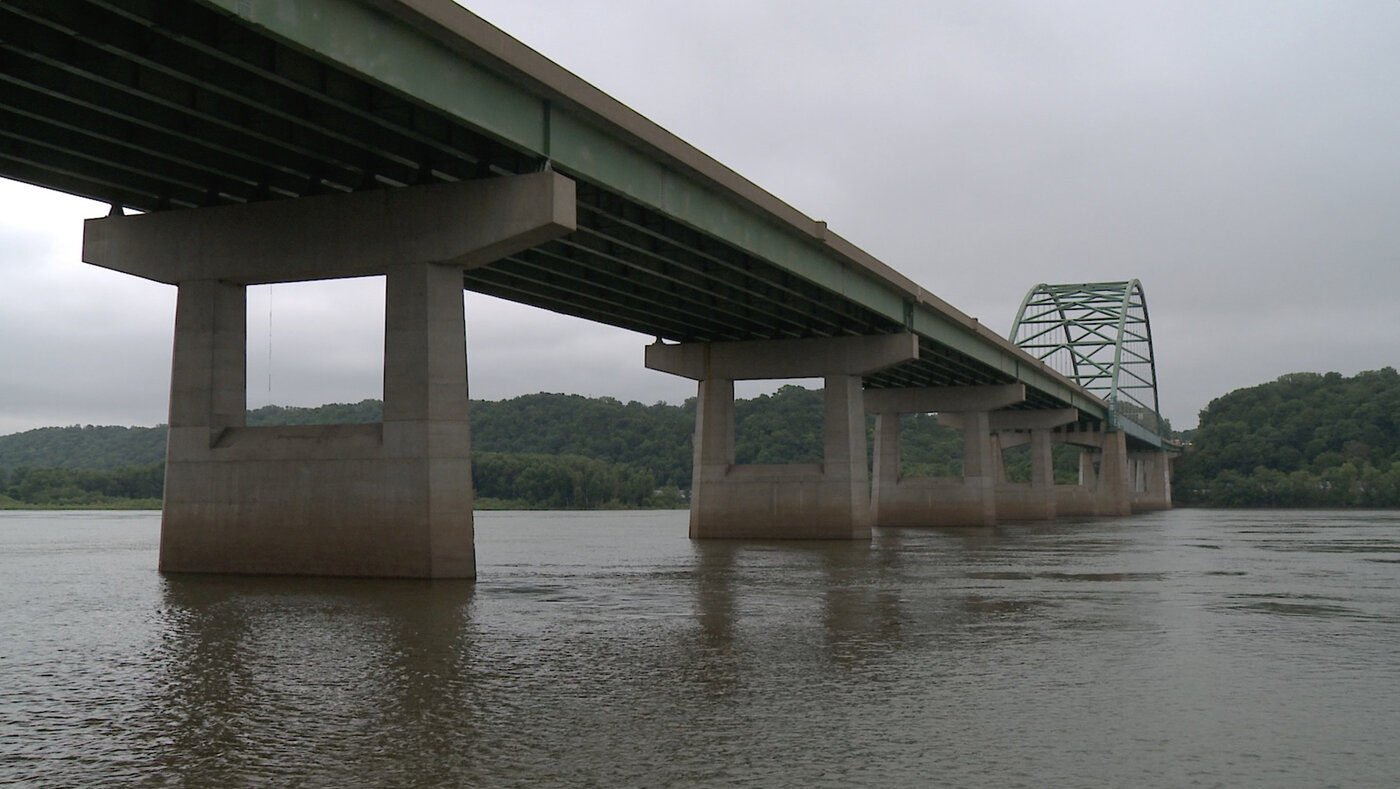
The “thank you” to [my gallery] neugerriemschneider at the end of the film. They believed in my film and it meant a lot to me to get their full support. I make films on very small budgets, sometimes for the cost of a few sandwiches and a tank of gas. But this time, I drove over 12,000 miles and spent over a month on the road. Thank you again, neugerriemschneider.
—James Benning, Eight Bridges (Forum)
In the previous sequence in my documentary, our protagonist, Amr, was in Karim's bakery, overjoyed to have received his “receipt,” a simple confirmation that his application for residency in France had been filed. His joy seemed disproportionate to me, especially since this receipt stipulated that he was not allowed to work. I filmed the next sequence four hours later in the basement of the bakery with my cell phone, without a cameraman or sound engineer. And there, sitting in an armchair, Amr lists his financial expenses: electricity bill, phone bill, transportation card—“And how am I supposed to eat?” His joy has faded. Other shots are much more beautiful, and yet it is this shot in the basement of the bakery that comes to mind. It is poorly framed, poorly lit, a shot that survived the editing process. But it is there for what it shows, the way Amr deals with being banned from working at that moment. He complains, and then when he manages to “eat,” he smiles, forcing himself to play down the impossible situation the prefect has put him in. He chooses to laugh about it. He offers this humor, sometimes dark, to counter despair. I think of this shot, which is neither particularly striking nor memorable, because throughout the film the challenge was to find “the tone,” showing how neighbors make circumstances livable however horrible Amr's situation might be. This tone could also lead one to imagine Amr sitting on a prince’s throne, when in reality it’s just an armchair with a humiliated man in it.
—Pascale Bodet, A Lot Talk (Forum)
London (Sebastian Brameshuber, 2026).
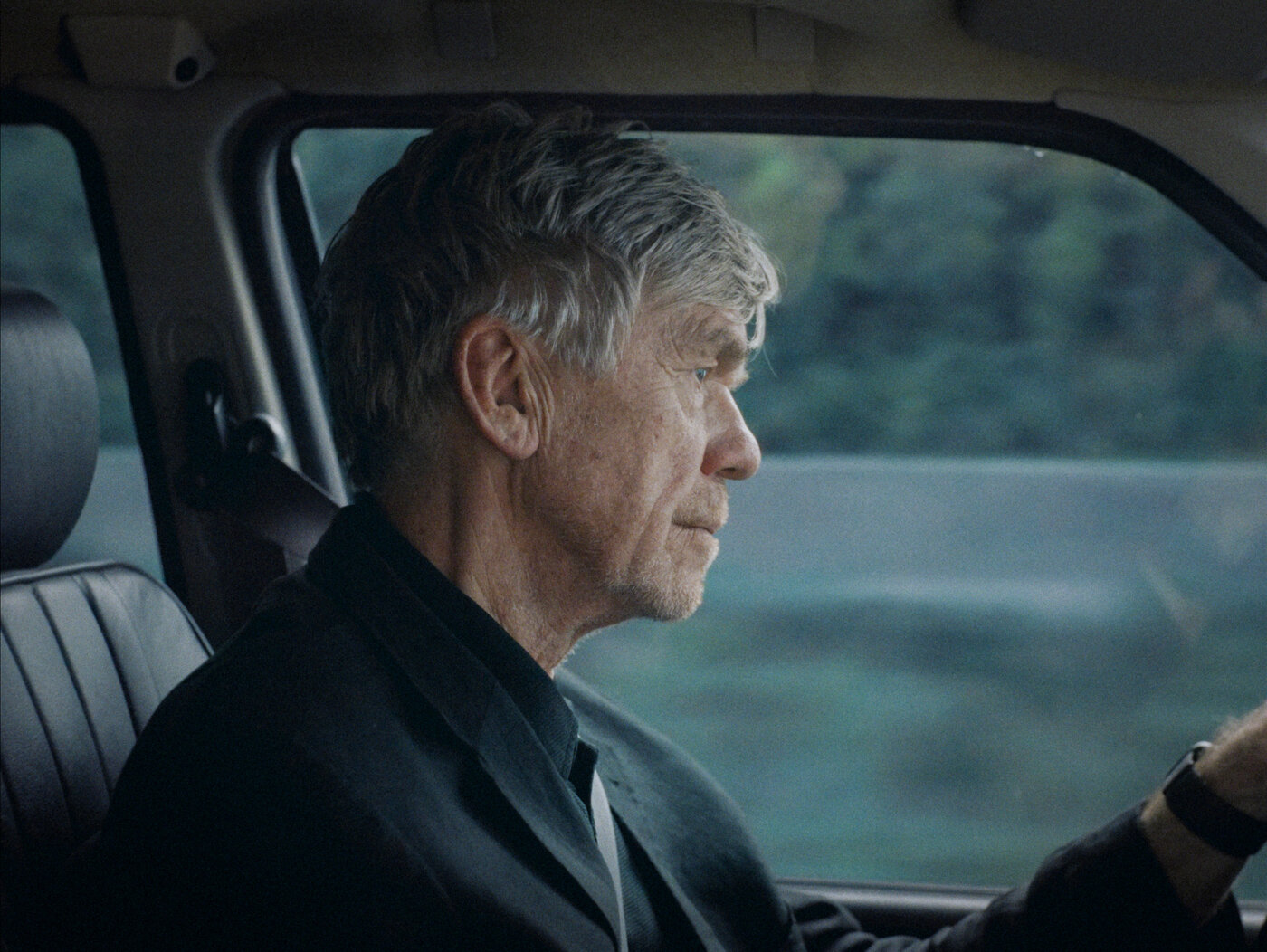
About halfway through the film, Bobby (Bobby Sommer) picks up Cliff in his car. Unlike all the other passengers Bobby gives a ride to in the film, they’ve met and talked before, and one can assume it was during another shared ride. “Did you visit your friend at the hospital again, or are you just driving?” A subtle friction fills the interior of the car as Cliff questions Bobby’s story about his friend in a coma, as if he isn’t entirely sure if what Bobby tells him is true. “How do you help him, what do you do for him in the hospital?” “Sometimes I read to him, sometimes I tell him about my day, sometimes I play music.” “What did you play today?” Cliff asks. “‘Waiting for My Man,’” Bobby replies. “Does he react to the music?” Cliff presses further. Bobby thinks for a moment and then seems to sidestep the answer with a mundane necessity: he feels the heat and wants to take off his jacket. As the car speeds along the motorway, he slips out of one sleeve and asks Cliff to hold the steering wheel. For a few heartbeats, they share the responsibility of staying on the road. It is a silent, physical pact—a simple, functional gesture that creates trust and says more than words could tell. Trust cannot be talked into existence. Only after this self-imposed physical surrender can Bobby finally share with Cliff the pain of seeing someone disappear. In return, Cliff offers his own ghost: the distance of a father he could no longer reach.
—Sebastian Brameshuber, London (Panorama)
My Brother's Wedding (Charles Burnett, 1983).
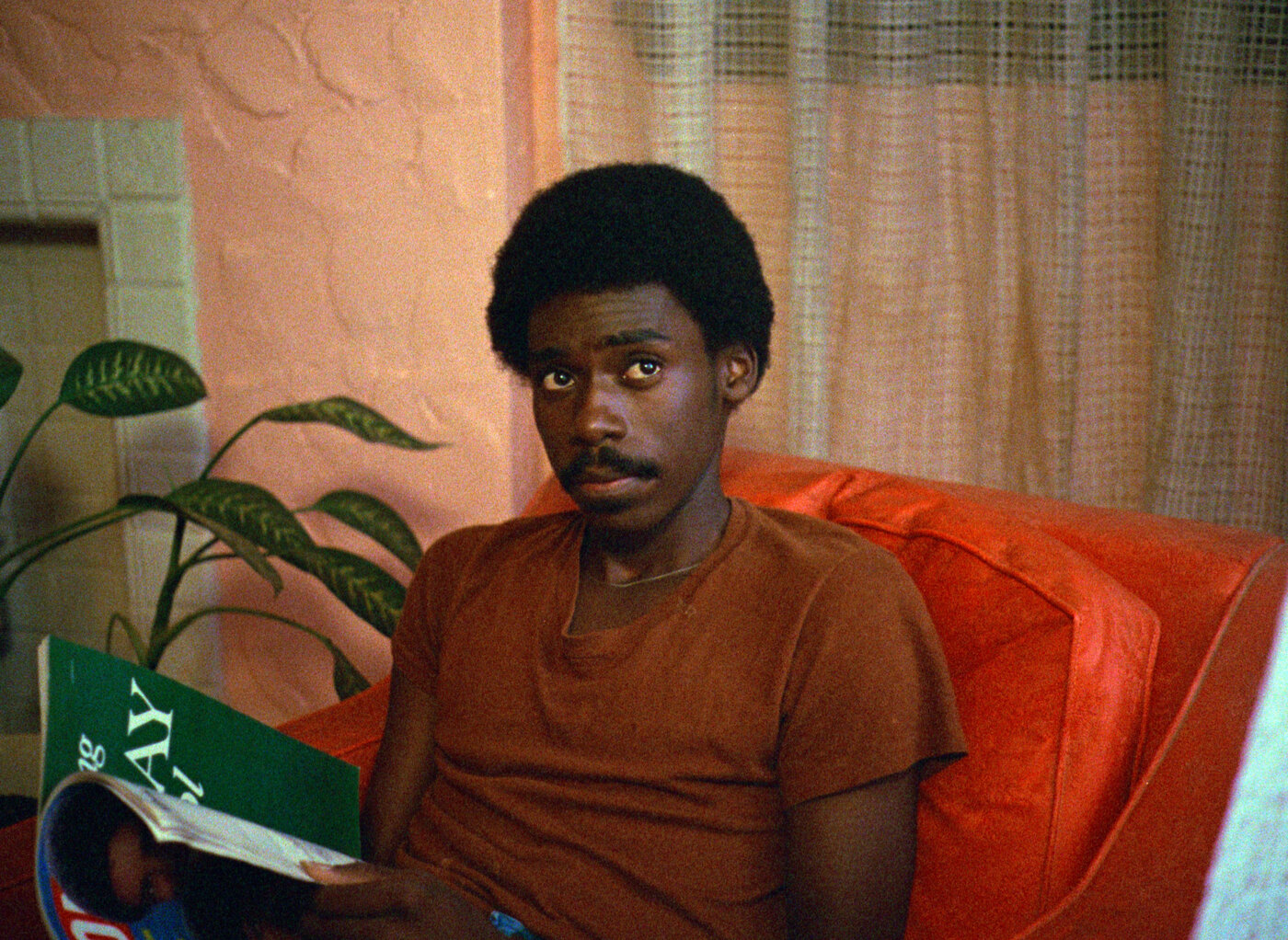
I think for me, what is special—the saving grace of My Brother’s Wedding—is that the film’s main character, Pierce (Everett Silas), has a relationship with his grandparents. He learned a great deal from that connection and continuation of his upbringing. Pierce allowed me to show that in order to be a brother’s keeper you had to have the tools to be a good person with responsibility. Pierce had structure in his life. This moment is a reminder that having a foundation—his relationship with his grandparents, touching our roots, and staying connected to the past—allows us to cope with the ways of the world better. One of the things I respect a lot is older people who had an interest in me and others who saw the future and what it took to be an adult. This film is a tribute.
—Charles Burnett, My Brother’s Wedding (Forum)
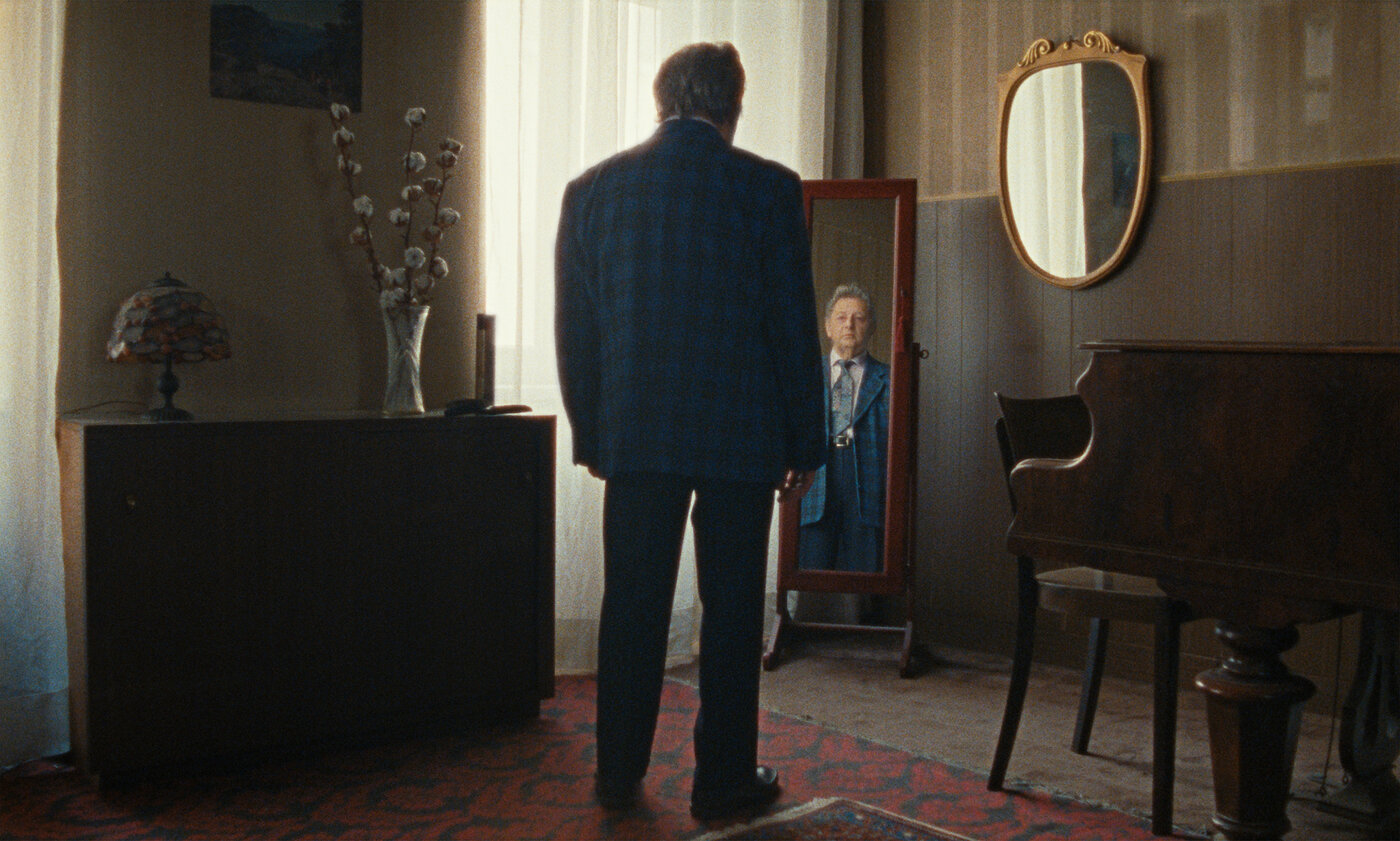
The Loneliest Man in Town (Tizza Covi & Rainer Frimmel, 2026).
Particularly meaningful for us is the beginning of the movie. Because of the rhythm, because we’re very close to [our protagonist] Al Cook. We see how he walks; we see his basement studio; we hear the music that’s important to him; we can see why he’s grieving; and we get to know his wife. Everything about him is told in these first three images. At that moment you can develop empathy. When you develop empathy for the person at the beginning of the film, then you can follow and understand him through everything he experiences.
—Tizza Covi & Rainer Frimmel, The Loneliest Man in Town (Competition)
When I realized that my voucher from a local film equipment rental service was about to expire, I checked their gear list and found that the “circular rails” was the most intriguing item they had. I had an idea of circling the camera round a rotary clothesline, aiming for a complete 360 degree movement. The motif was kind of a riff on the ending shot of Yasujiro Ozu’s The Only Son (1936), where the camera leaves the crying mother and strays off to film a door instead. The full circle turned out to be impossible to execute since the rails themselves would be visible in the background, so the team decided that half a circle would be sufficient. In the end, the sequence still holds the ethereal quality I was hoping for. As a big plus, we also used the circular rails for the diabolo performance scene where because the camera was angled upwards, the dolly could finally circle perpetually.
—Kim Ekberg, Doggerland (Forum)
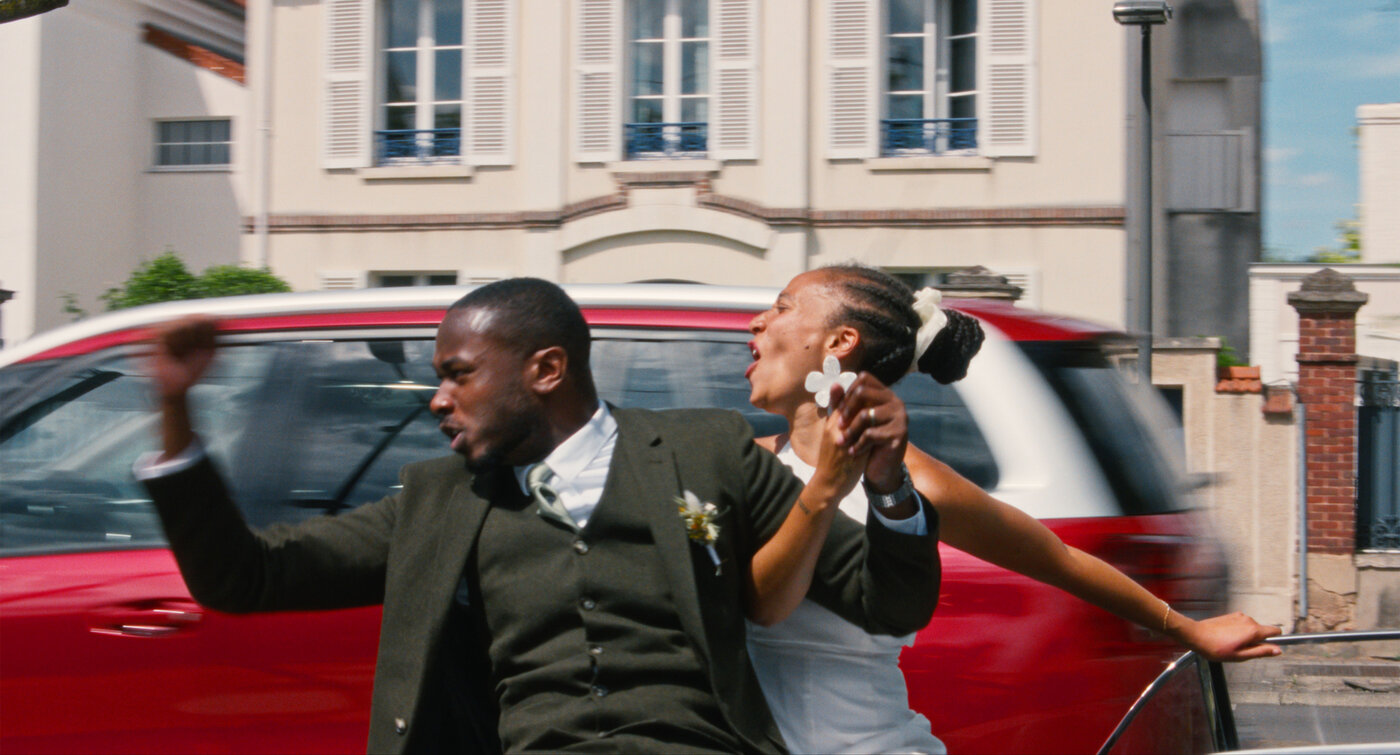
During one of the scenes of the funeral ceremony in Guinea-Bissau, the bearers of the fake coffin, which is supposed to be moved by the spirit of the deceased, suddenly said, “Look, it’s moving on its own.” We continued filming, worried. “But who is in the coffin? Whose spirit is it?” someone asked. I was told it might be my father, but still we kept on shooting. So, my father, who died in 2017, may well be playing a part in the movie…
—Alain Gomis, Dao (Competition)
In the very first shot of the film, Tom Courtenay and Anna Calder-Marshall climb the stairs of a bridge that spans some train tracks. We’re below and behind them watching as they ascend toward the clouds. Due to their advanced age and frailty it’s a very difficult climb, but they proceed patiently, arm in arm, with great care for each other. At the top of the stairs they disappear from view as if they’ve evanesced into the heavens. For me, this simple shot captures the feeling tone of the film in its totality. I can’t articulate how it does this, but that’s why the image is so important for me. It contains the energy of metaphor—one that I feel viscerally but don’t fully understand—and its meaning can only be conveyed through image.
—Lance Hammer, Queen at Sea (Competition)
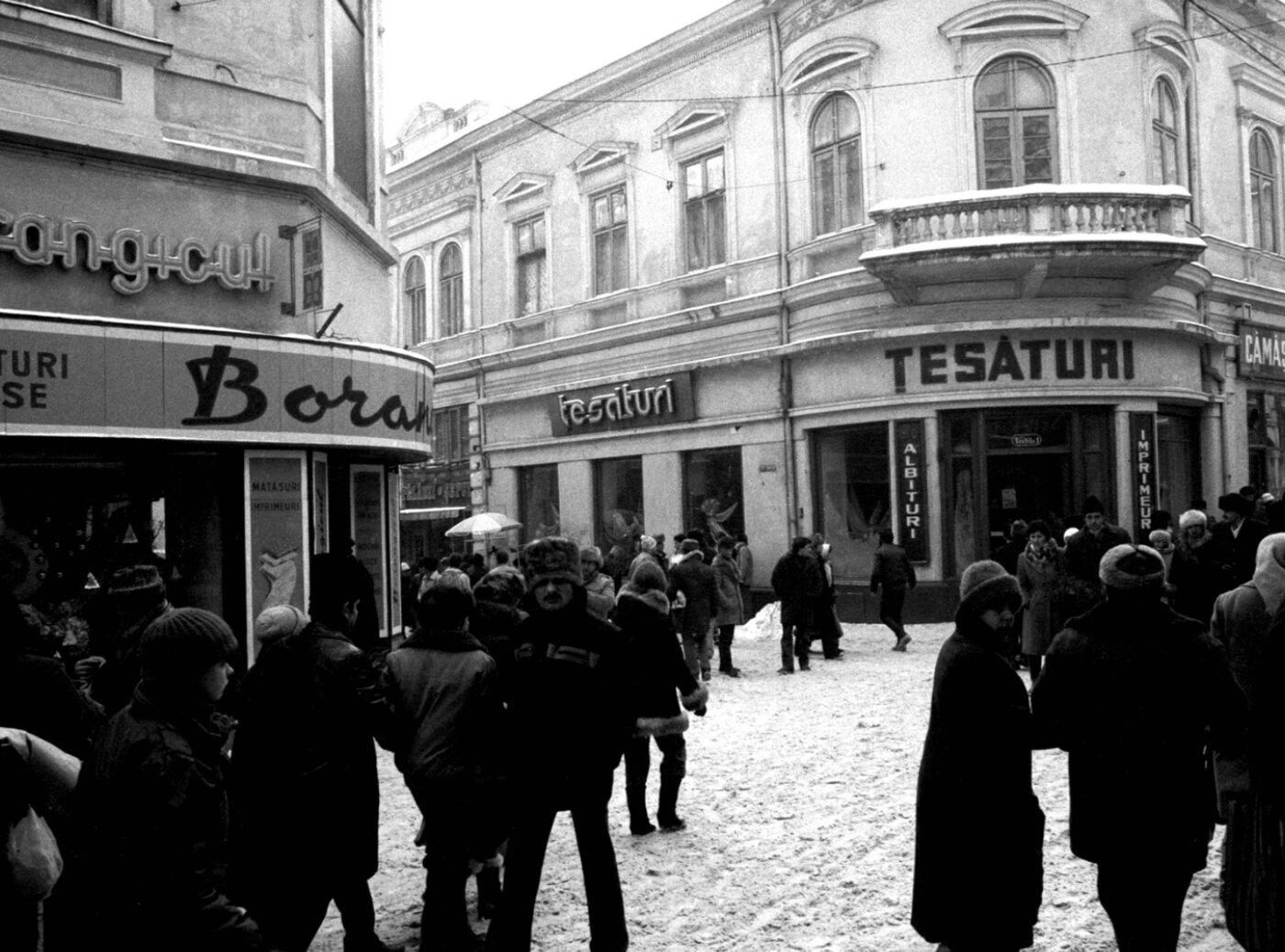
Shot Reverse Shot (Radu Jude & Adrian Cioflâncă, 2026).
For me, a film is important in all its components. Sure, maybe some parts are better than others, but the whole structure, the whole architecture is crucial for me, from the first second to the last. So no specific image or moment counts more than others, but I am very pleased with my collaboration with the historian Adrian Cioflâncă for this short film.
—Radu Jude, Shot Reverse Shot (Berlinale Shorts)
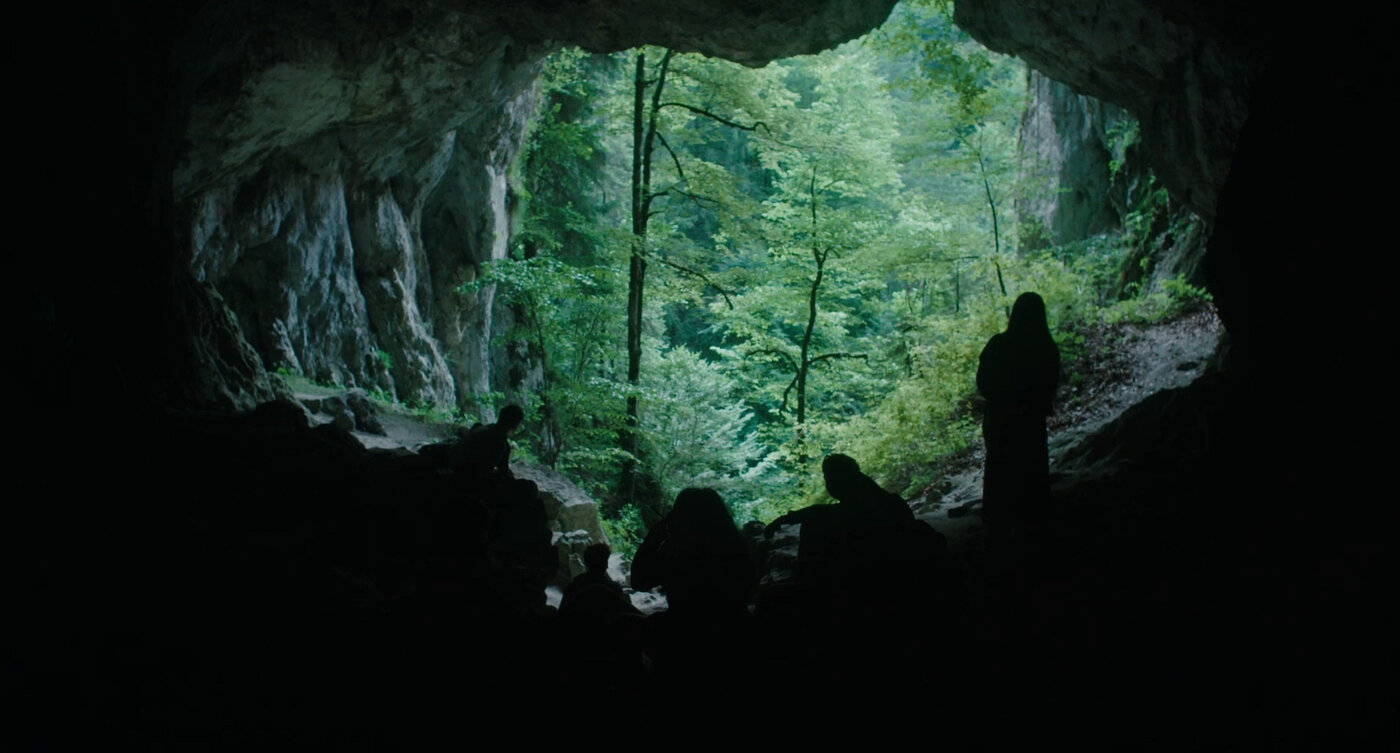
On Our Own (Tudor Cristian Jurgiu, 2026).
I chose the scene in which the little runaway boy, Dudu (Dominique Toma), has a dream in which he wakes up alone in the forest and goes looking for the others and the camera slowly loses him amongst the trees. It was not in the script, and while we were shooting the boy fell asleep close to the other actors and we started filming him without knowing what was going to happen. The sun came out and he woke up. Instinctively I started talking to him during the take and told him: “You woke up and you are alone. Look for the others.” The rest he did by himself. It touches me because he is a bit confused and wants to find his sister but he is not scared, as if he accepts his loneliness. It encompasses the feeling of abandonment of all the characters in such a natural and poetic way. A boy lying down with his eyes open as if petrified by something close by or by his own thoughts. The sound from the forest continues over the transition to the next scene. I love how the dream feeling in the scene with Dudu alone transfers to this one too, and you don't know which one is more of a dream. Maybe him wandering alone in the forest is the reality, and in an emotional sense it is. This surrogate, temporary family we see in the following scene is the illusion.
—Tudor Cristian Jurgiu, On Our Own (Forum)
My film is composed of five interconnected stories, each reflecting a different human condition under siege. The final sequence of the film is particularly important to me. It was one of the most challenging moments to conceive and execute, and in many ways, it carries the emotional weight of the entire work. The scene takes place in a field hospital during wartime. It unfolds in very long takes, relying entirely on natural daylight. The camera moves through chaos: wounded bodies, rushing medics, blood, overlapping cries, and a large number of extras constantly in motion. There are no dramatic cuts to manipulate emotion—the tension emerges from duration, choreography, and the fragile balance between control and unpredictability. The long take forced us to build a living rhythm inside the frame, where performance, timing, and camera movement had to align precisely.
The film was made on a very low budget, so every decision had to be carefully calculated and executed in the most economical way possible. We had to transform limitations into creative choices. I believe we succeeded in doing so—the realism of the scene comes partly from this raw necessity. Watching this sequence projected on the big screen in Berlinale was an especially powerful moment for me. Seeing that fragile, chaotic world we built with such limited means come alive in a cinema space felt deeply rewarding—almost like reclaiming the scale that war had tried to shrink.
—Abdallah Al-Khatib, Chronicles from the Siege (Perspectives)
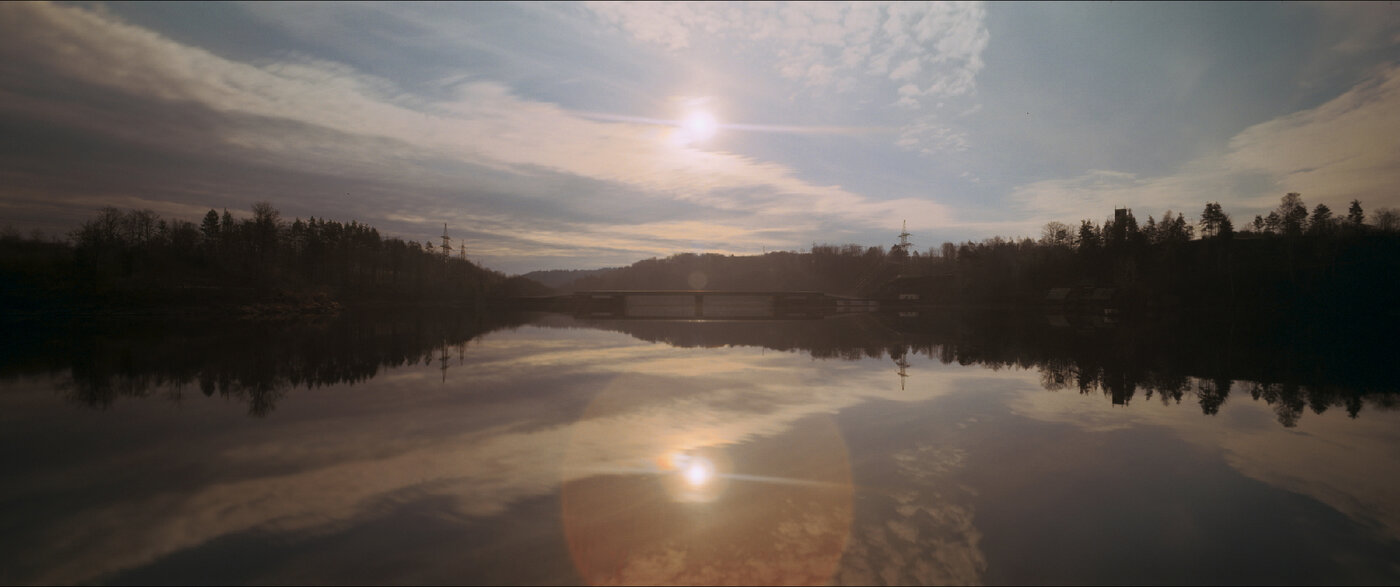
Forever...Forever (Johann Lurf, 2026).
One of the images in my film I think fondly about shows the first lightning I recorded with my camera. As I built the camera to record long time exposures and not to miss any event happening on the site, I was hoping for lightning strikes not only to occur but also to be captured. I was very glad it worked out and I am also particularly happy about the point in time when the first lightning bolts appear: The viewers are already accustomed to the principles of the film as the day and night changes become rhythmic, the soundtrack begins to become harmonic. Out of the black the lightning strikes, which made the audience first gasp, then giggle during its Berlin premiere.
—Johann Lurf, Forever…Forever (Forum Expanded)
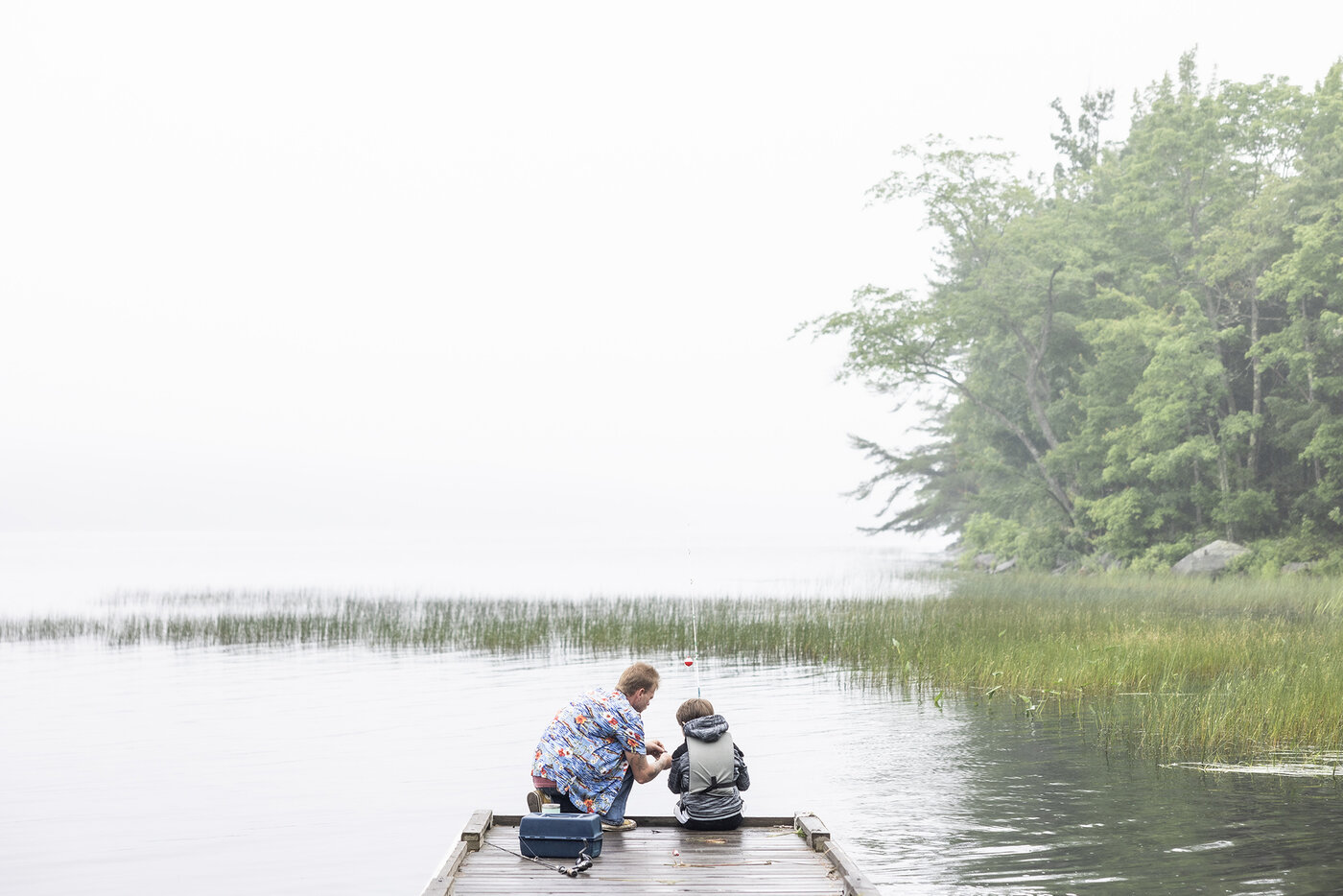
Bucks Harbor (Pete Muller, 2026). Photo by Pete Muller.
Perhaps my favorite scene in Bucks Harbor is when our central participant, Dave, takes his young cousin, Isaac, fishing at a nearby lake. Isaac's father wasn't around much so Dave took it upon himself to do more activities with him. Standing on the dock, Dave explained where the fish like to hang out and Isaac, in turn, asks Dave if he knows this information from first hand experience. Dave then explains that experience is helpful but that he also relies on information from other fishermen. “That’s how we learn,” he tells Isaac. Moments later, when Issac was alone on the dock, a stranger approached. With no hesitation, Isaac offered the information he’d just acquired from Dave to the newcomer. To me, it’s a very sweet moment and a powerful illustration of the extent to which kids are observing and mimicking the adults around them. Because we were filming from a distance and didn’t monitor the lav mics, we did not even realize what we captured until we reviewed the footage.
—Pete Muller, Bucks Harbor (Panorama)
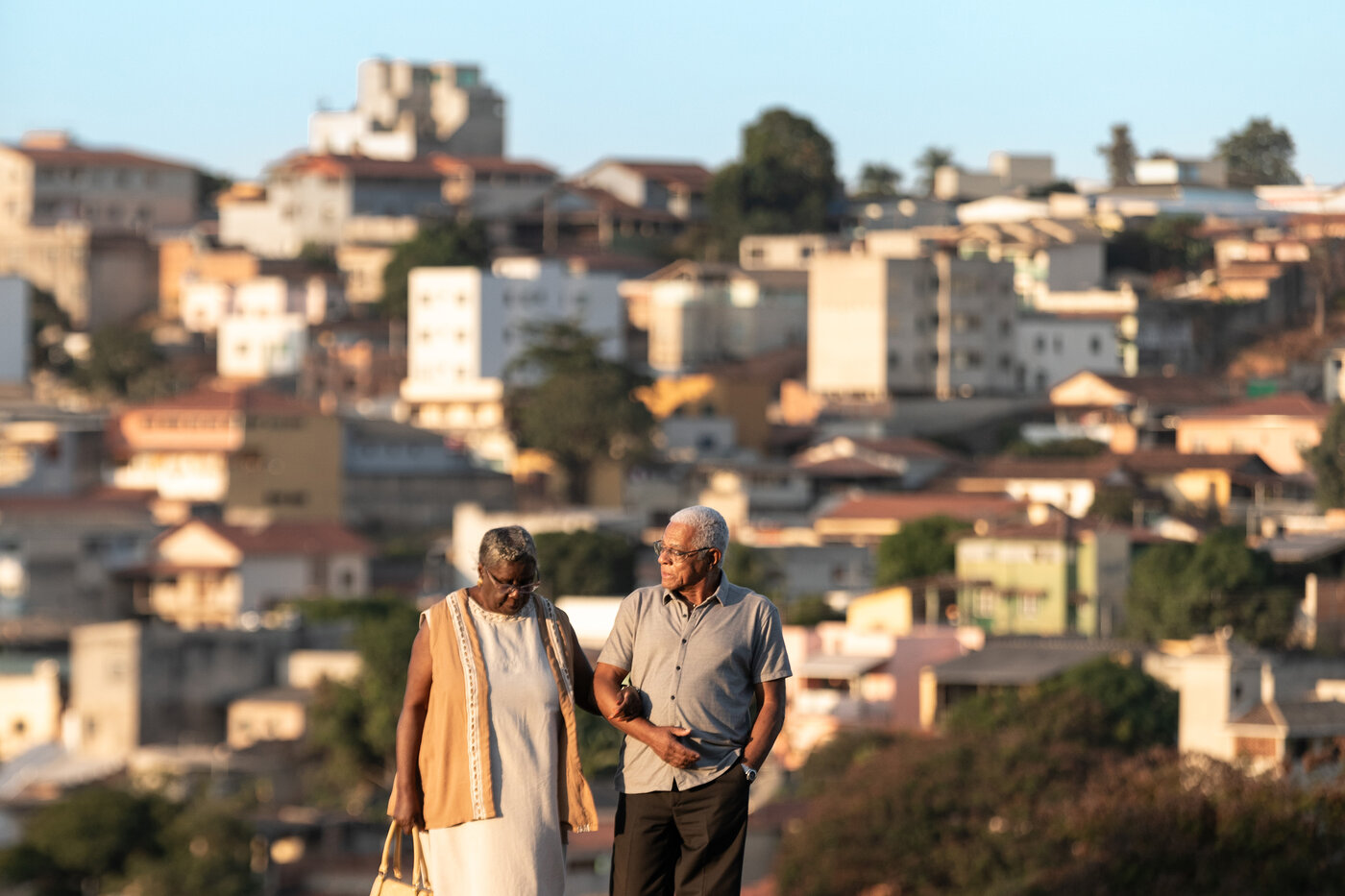
If I Were Alive (André Novais Oliveira, 2026).
One of the most significant scenes in the film for me is the second orange peeling scene, near the beginning of the third act, when Gilberto (Norberto Novais Oliveira) peels the fruit and offers it to his wife, Jacira (Conceição Evaristo). It mirrors one of the first scenes, in which I introduce the couple in their old age, lightly and tenderly. For this second orange scene, we are settled in a different context between the two. I remember that on set it seemed extremely difficult for me to do that scene, and I asked the assistant director to schedule it as late as possible. But I couldn’t really explain why I wanted to postpone it. Maybe I didn’t even want to do it at all. However, as the scene unfolded—and especially later in the editing process—I began to feel that it had a lot to do with Gilberto realizing that something had broken between the couple and that there was no turning back. At the same time, it’s a somewhat unsettling scene, with a very heavy emotional tone, particularly in the way the score is used. And I think that’s what makes it so powerful to me.
—André Novais Oliveira, If I Were Alive (Panorama)
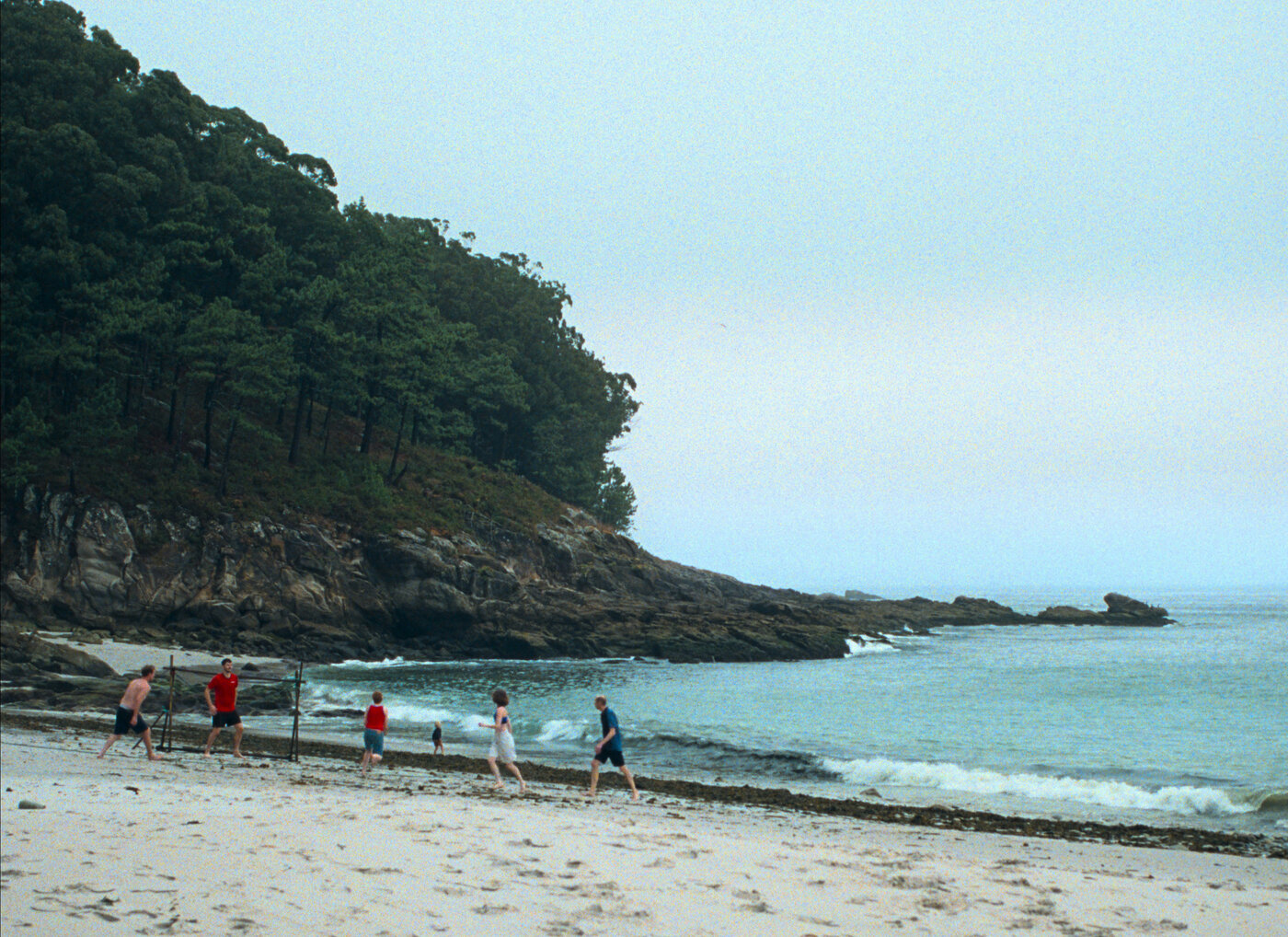
My Wife Cries (Angela Schanelec, 2026).
For the first time, I felt that the actors formed an ensemble, a collective body. This came about through the many rehearsals, but it also had to do with each individual. They come from different countries and backgrounds and have very different lives. Except for Birte Schöink and Clara Gostynski, I had already worked with all of them. I met Laure-Lucile Simon through Agathe Bonitzer; she is, as in the film, Agathe’s close friend. Finding the cast was not done through casting, but through thinking about how there could be connections, the desire to spend time together and open up to each other. I think they found a common language through the dialogues during rehearsals. They made each other shine. They were themselves and yet new.
—Angela Schanelec, My Wife Cries (Competition)
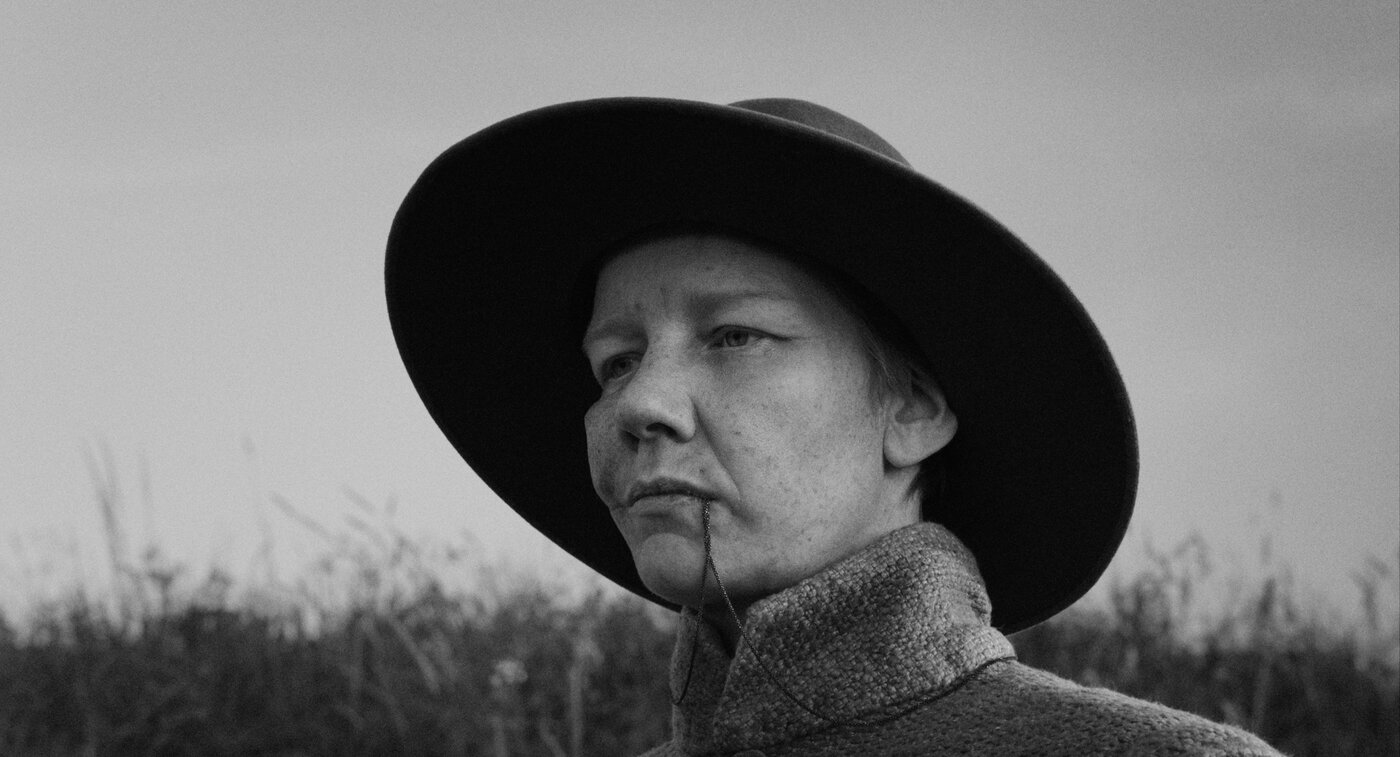
Rose (Markus Schleinzer, 2026).
In every writing process, I engage in dialogue with my characters. Sentences such as the following appear repeatedly in pages of documents: “What do you want? What do you want from me?” I ask my characters. I beg them. I flatter them. Sometimes I insult them. I try to seduce them into speaking with all my psychological abilities. Often it is with love. Sometimes it is with anger. And then—what a joy when I am heard, when we find a common path, and the characters want to begin to write themselves. Because sometimes I am so careless: Things are already there, seemingly without reason, but I have overlooked them and galloped off in another direction. I lose my way and have to turn back, realizing that the persona wants to show me a different path. A real one.
Then you go out into the world and ask others to take on these personas and make the path visible by embodying life. It is always the seemingly insignificant images that move me deeply when filming. The large spaces. The weekly laundry. A slaughter day. A marriage agreement. A wedding. These images in which not just one person speaks and acts according to their concerns, but a multitude of voices work together to tell us about this life that we must lead in community, which will sometimes lift us up or push us down. These images tell us that we can only lead this life together. In the small and the big things it has in store for us.
—Markus Schleinzer, Rose (Competition)
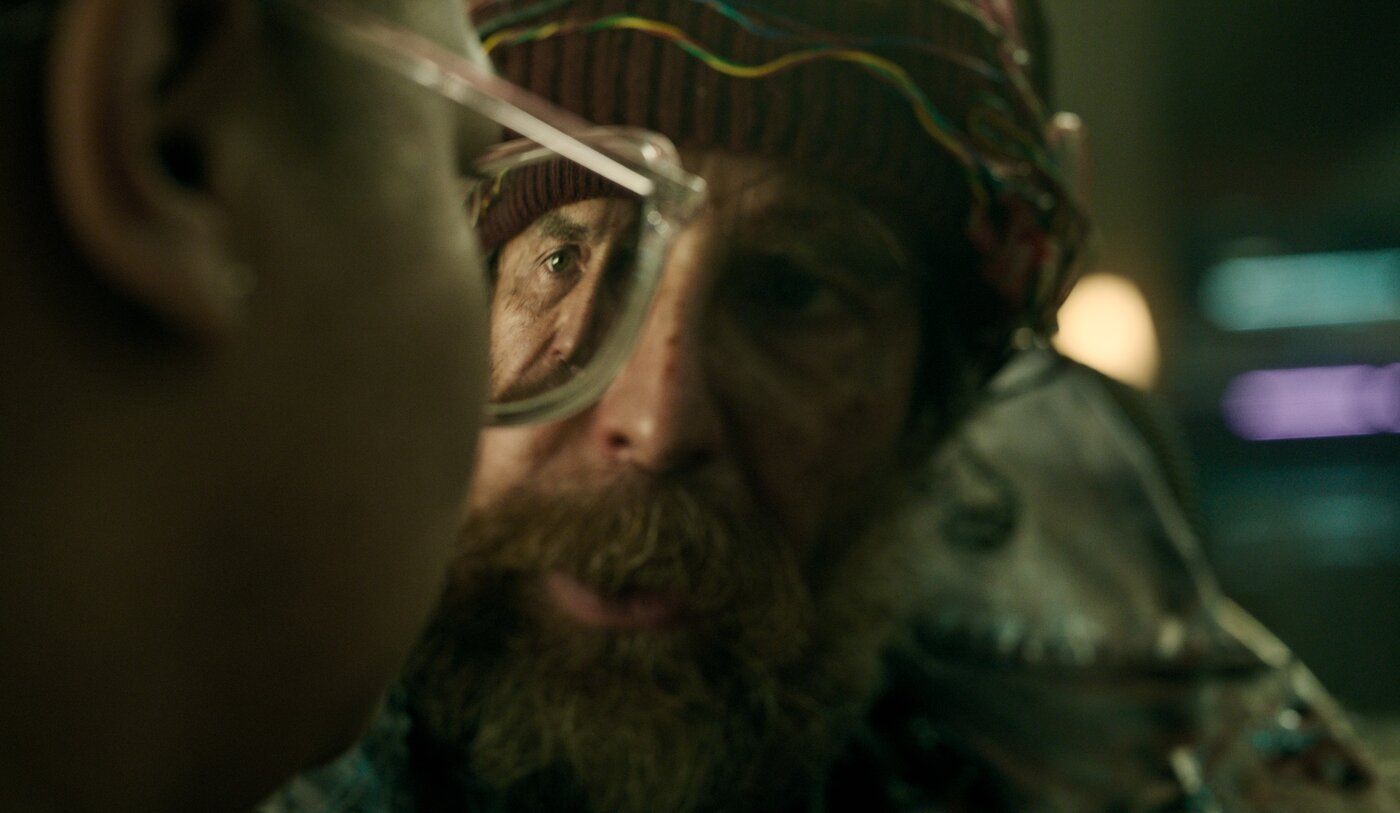
Good Luck, Have Fun, Don't Die (Gore Verbinski, 2026).
In a process so driven by intention, it is a joy to discover something purely by circumstance. Like a child noticing the thing no one else is paying attention to. Often, the “hidden meaning” makes its way back into the vocabulary of the greater narrative as if there was an intent all along: orchestrated from beyond the mind. I saw this image accidentally through the director’s viewfinder in a rehearsal and immediately decided to shoot the scene from this perspective, intuitively—like an infant grabbing candy. It was a gift awaiting discovery, for those not blinded by intent. Only later, in the edit room, did the subtext become apparent. The “frame within the frame.” The “who’s looking at who?” The self-reflexive composition began to reveal its purpose and serve the narrative. Perception through a membrane, bringing into focus and reinforcing the idea that we are strangers…who know each other from another time.
—Gore Verbinski, Good Luck, Have Fun, Don’t Die (Berlinale Special)