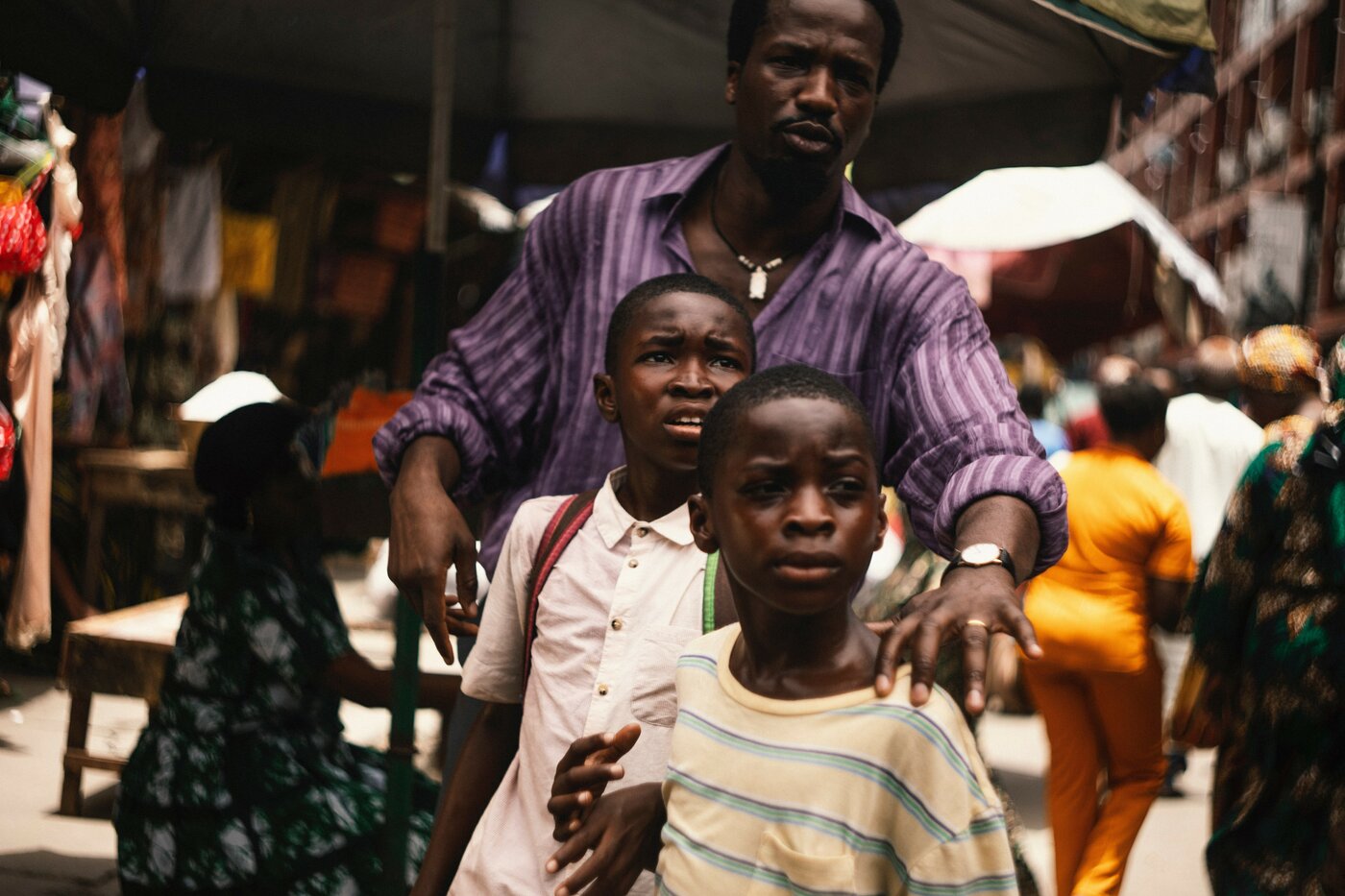
My Father's Shadow (Akinola Davies Jr., 2025).
In Lagos last September, a handful of screenings of My Father’s Shadow (2025) played in theaters that were, depending on the night, half empty. A few months earlier, the same film had world premiered at Cannes, in the Un Certain Regard section, and walked away with a special mention for the Caméra d’Or. It was the first Nigerian film to be programmed in the official selection at the festival. Variety called Akinola Davies Jr.’s film miraculous. Rotten Tomatoes aggregated the critical assessment as 98% positive. However, there exists a cultural invisibility at home that stands against these genuine international recognitions. Despite all these nominations and recognitions, Nigerian audiences barely registered the film. I don’t think most Nigerians who heard about the Cannes win ever connected it to an actual cinema outing. But what is notable about this isn’t the story of one film not finding a local audience. It’s about what happens when a country starts producing internationally serious cinema faster than its own infrastructure knows what to do with it.
This particular gap, between what festivals crown and what a home audience actually shows up for, is old, and Nigeria isn’t inventing it. Iranian directors spent the better part of three decades winning at Berlin, Cannes, and Venice while their own government restricted, and at times banned outright, screenings of those same films at home. Romania’s so-called New Wave of Cristian Mungiu, Cristi Puiu, Corneliu Porumboiu, and Radu Jude built a real international arthouse identity through the 2000s while playing to thin houses in Bucharest, where audiences wanted Hollywood and homegrown comedy instead. Lav Diaz has spent a career more feted in Locarno than in Manila. What’s different about the Nigerian version isn’t the pattern. Nigeria sits in rare company: with a domestic audience of exceptional size and an output exceptionally prolific, and yet its films that show on the festival circuits, which confer international legitimacy, make next to no impact at home.
The theatrical run of My Father’s Shadow wasn’t a fluke. C.J. Obasi’s Mami Wata (2023) played Sundance and went on to become Nigeria’s Oscar submission. Daniel Oriahi’s The Weekend premiered at Tribeca that same year. Olive Nwosu’s Lady (2026), a British-Nigerian co-production, premiered at the Berlinale. Arie and Chuko Esiri, the brothers behind Eyimofe (another Berlinale premiere, in 2020), returned to Cannes in 2026 with a follow-up that Neon had already picked up for US distribution before the festival even started, this time with Sophie Okonedo, David Oyelowo and Ayo Edebiri in the cast. At the Berlinale this year, Nigerian work turned up across several sections at once, Crocodile, a documentary co-directed by the Lagos filmmaking collective The Critics, premiered in Forum; Karimah Ashadu’s short Muscle, about bodybuilders in Lagos gyms, screened in Forum Expanded.
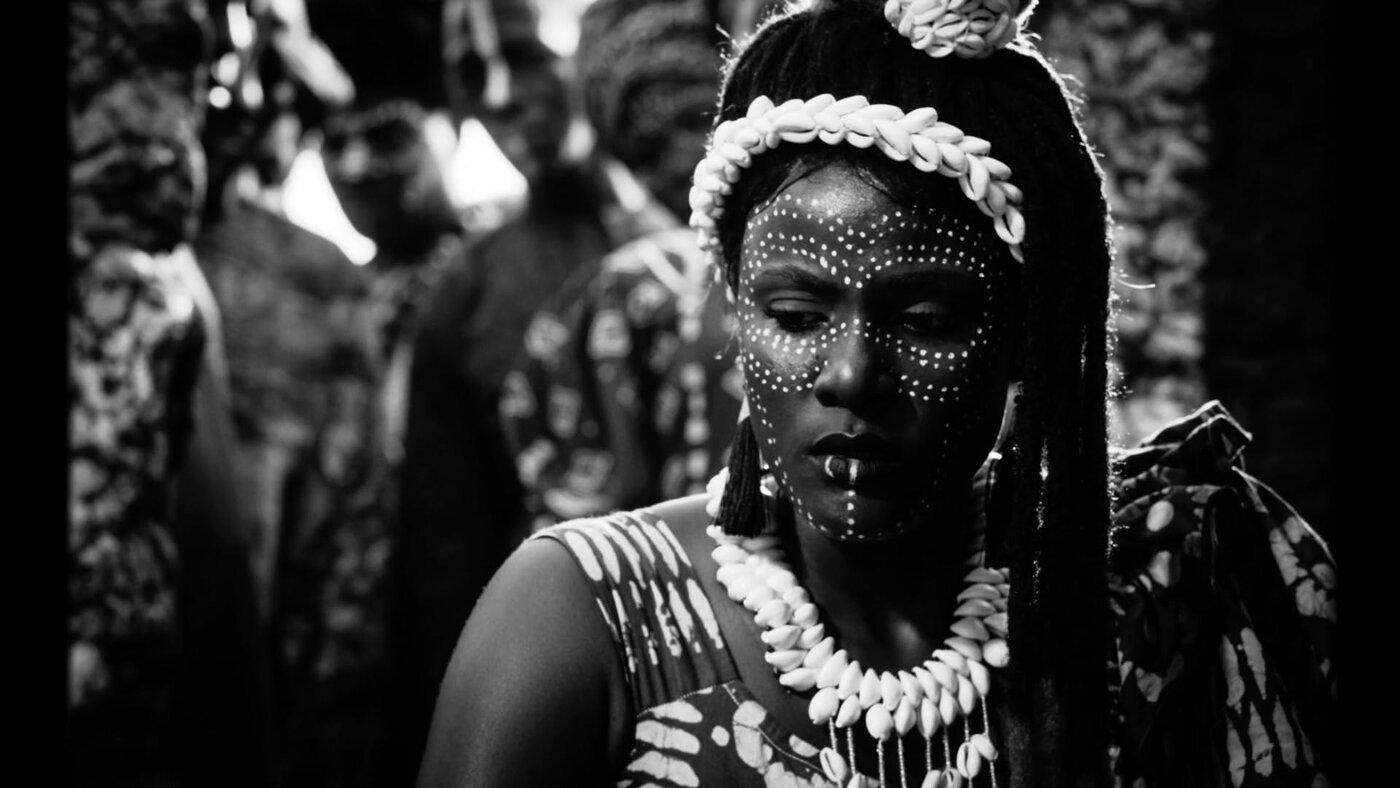
Mami Wata (C.J. Obasi, 2023).
Line those up, and it stops looking like a run of random Nigerian festival premieres. It looks like a generation of filmmakers who’ve quietly built something closer to an arthouse movement than to anything Nollywood’s commercial engine usually produces, and who are finding real purchase for it on some of the most selective stages in the world. Ask someone in Lagos outside the film industry to name any of these titles, though, and you’ll mostly get blank looks. That’s not because Nigerian audiences don’t want good stories. The failure comes down to a belief embedded in Nollywood itself: that Nigerian audiences don’t want good stories; they want feel-good ones, comedies built for laughs, mostly slapstick. The industry calls this giving the audience what it wants. It forgets that audiences don’t always know what they want until they see it.
These films barely play anywhere because there’s barely anywhere for these particular films to actually play. These films do exist, but the infrastructure is absent: there is no critical infrastructure to receive them, no exhibition infrastructure to screen them, and no media infrastructure to cover them. Nigeria has something in the neighborhood of 300 cinema screens for a population over 200 million. India has more than 9,000. The US has over 40,000. When screens are that scarce, every one of them becomes a high-stakes bet, and exhibitors don’t take chances on films without an obvious commercial hook. In practice, that means star power and genre decide almost everything, names like Funke Akindele or Timini Egbuson attached to a project move it up the line; action, comedy, and melodrama reliably sell tickets, while horror struggles and anything formally slower or stranger barely gets a look.
The distribution side is just as concentrated. FilmOne controls something close to 45% of the market on its own, with Silverbird and Blue Pictures well behind. Filmhouse Group, FilmOne’s sister company, is vertically integrated—with production, distribution, and exhibition all under one roof—which is a genuinely efficient way to run a commercial film business and a genuinely bad structural fit for showcasing something like My Father’s Shadow: a slow, interior film about a father and son during the annulled 1993 election, with no major stars and no obvious genre hook. None of this is a conspiracy against arthouse cinema. It’s simply what a vertically integrated system optimized for commercial potential naturally produces and shows, and Nollywood’s numbers back up how well it’s working on its own terms: the local box office has more than doubled since 2023, and Nollywood titles now out-earn Hollywood releases in Nigerian cinemas for what is likely the first time.
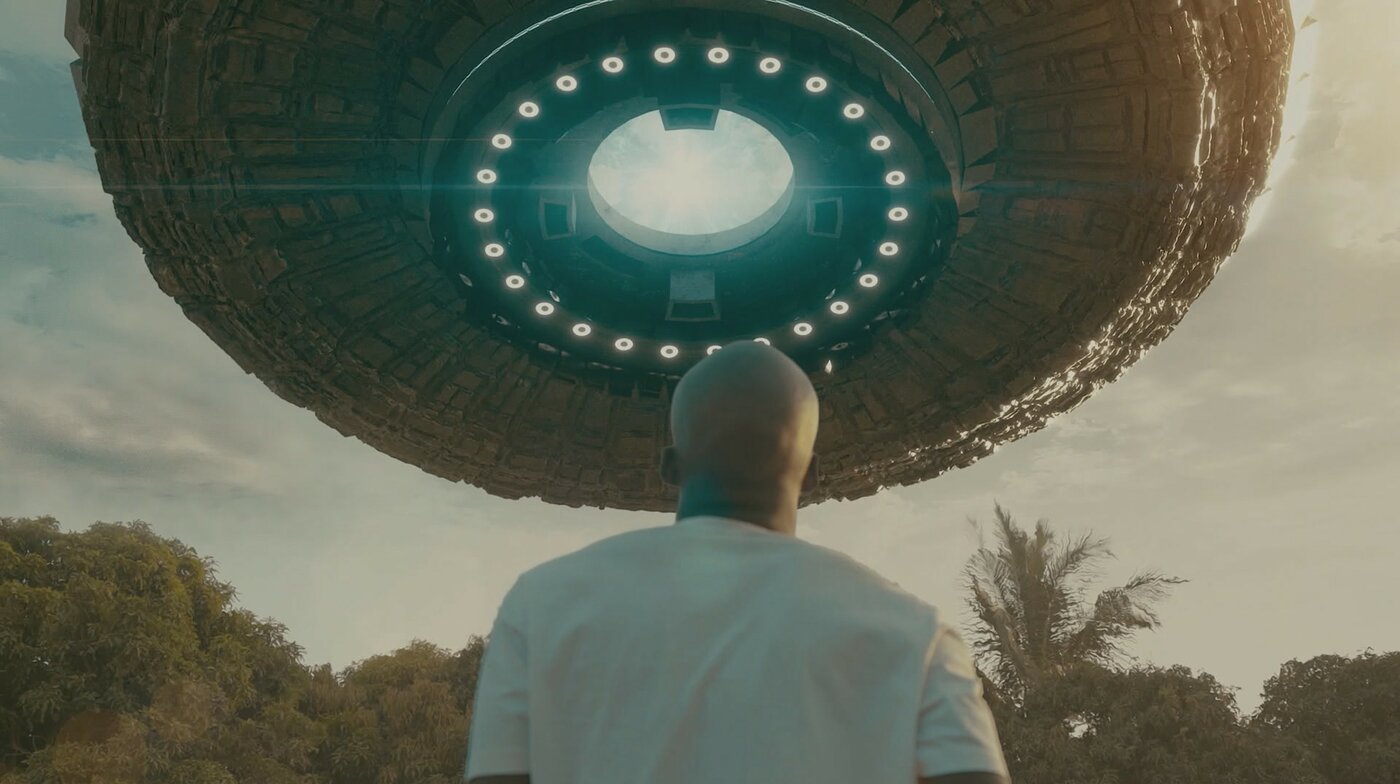
Crocodile (The Critics, Pietra Brettkelly, 2026).
But that’s exactly the problem for the other Nigeria, the one making festival cinema. A Caméra d’Or mention doesn’t create a single new screen. It doesn’t touch an exhibitor’s risk calculus in a market where even a genre film without stars is a gamble. If anything, a slow arthouse drama is a harder sell at home than a Nollywood horror flop would be, because Nigerian cinema-going habits have spent a decade being trained toward something loud, communal, and star-driven, and nobody has really tried training them toward the opposite.
The gap in press coverage is its own story, and it’s worth being straightforward about it rather than pretending Nigerian entertainment media has simply overlooked something obvious. Box office numbers get covered thoroughly, how much a Funke Akindele film pulled in on opening weekend is a real news item, and Nollywood celebrity culture gets wall-to-wall attention. A Cannes selection tends to land as a short “historic first” news item instead, acknowledged and then largely dropped, without the kind of sustained cultural or critical writing that might actually build an audience for the film once it lands in local cinemas. The achievement gets covered as a milestone. The film, as a film, mostly doesn’t.
That’s not really a failure of individual critics so much as an incentive problem. Entertainment journalism follows the audience it already has, and the audience built around a decade of star-driven, genre-driven Nollywood coverage wants exactly that kind of coverage. Building a readership for slower festival cinema means building it from close to zero, at the precise moment the commercial industry sitting right next to it is having its best years ever. Perversely, this makes the arthouse wave more visible abroad and more marginal at home in the same breath.
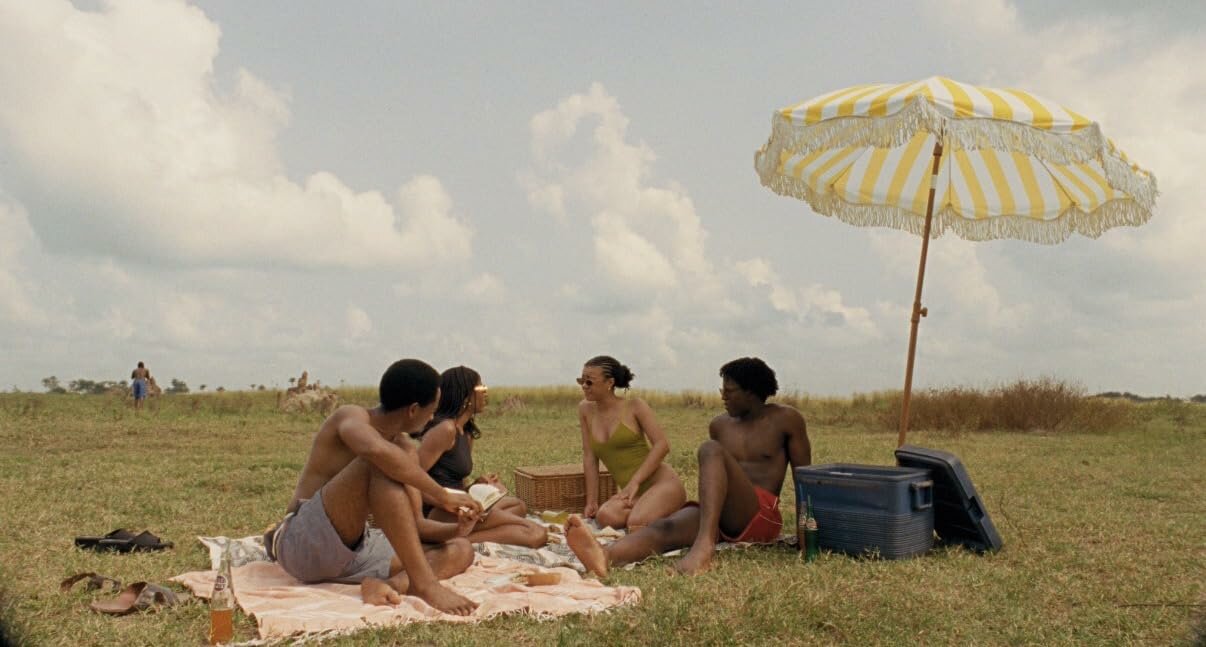
Clarissa (Arie Esiri, Chuko Esiri, 2026).
I keep coming back to the idea that there might not be one Nigerian film industry right now so much as two, both operating under the Nollywood label out of habit. One is the commercial engine, genre-driven, star-driven, increasingly confident, now genuinely beating Hollywood at the local box office. The other is smaller, newer, and has discovered, mostly out of necessity, that the more reliable route to being seen runs through Berlinale, Cannes, and Sundance rather than through a Lagos multiplex. Many of these films are also substantially internationally financed, so it’s not just a question of where they end up, but also of who is helping make them. Neither of these two Nollywoods are failing on their own terms. They’re built for entirely different audiences, in a market that doesn’t yet have the screen infrastructure or cultural discourse to properly support both at once.
Whether that changes probably has less to do with any single festival win, however historic, than with whether exhibitors ever decide there’s a commercial case for setting aside even a sliver of screen time for festival work, and whether local critical writing decides there’s a readership worth building around it. A new infrastructure may be the more realistic route. A local festival with curatorial authority, indie exhibition spaces, small but serious critical platforms. These have historically done more to build arthouse ecosystems than reforming commercial ecosystems. Until such initiatives are started, the country that produced My Father’s Shadow will likely keep finding out about its own best films the way the rest of the world does, by reading about them happening somewhere else first.