Multiplex asks filmmakers, critics, and artists for short-form responses to the topic at hand. In this Halloween edition, contributors from around the world recommend one scary movie from their home country or region.
Florian Widegger on West Germany
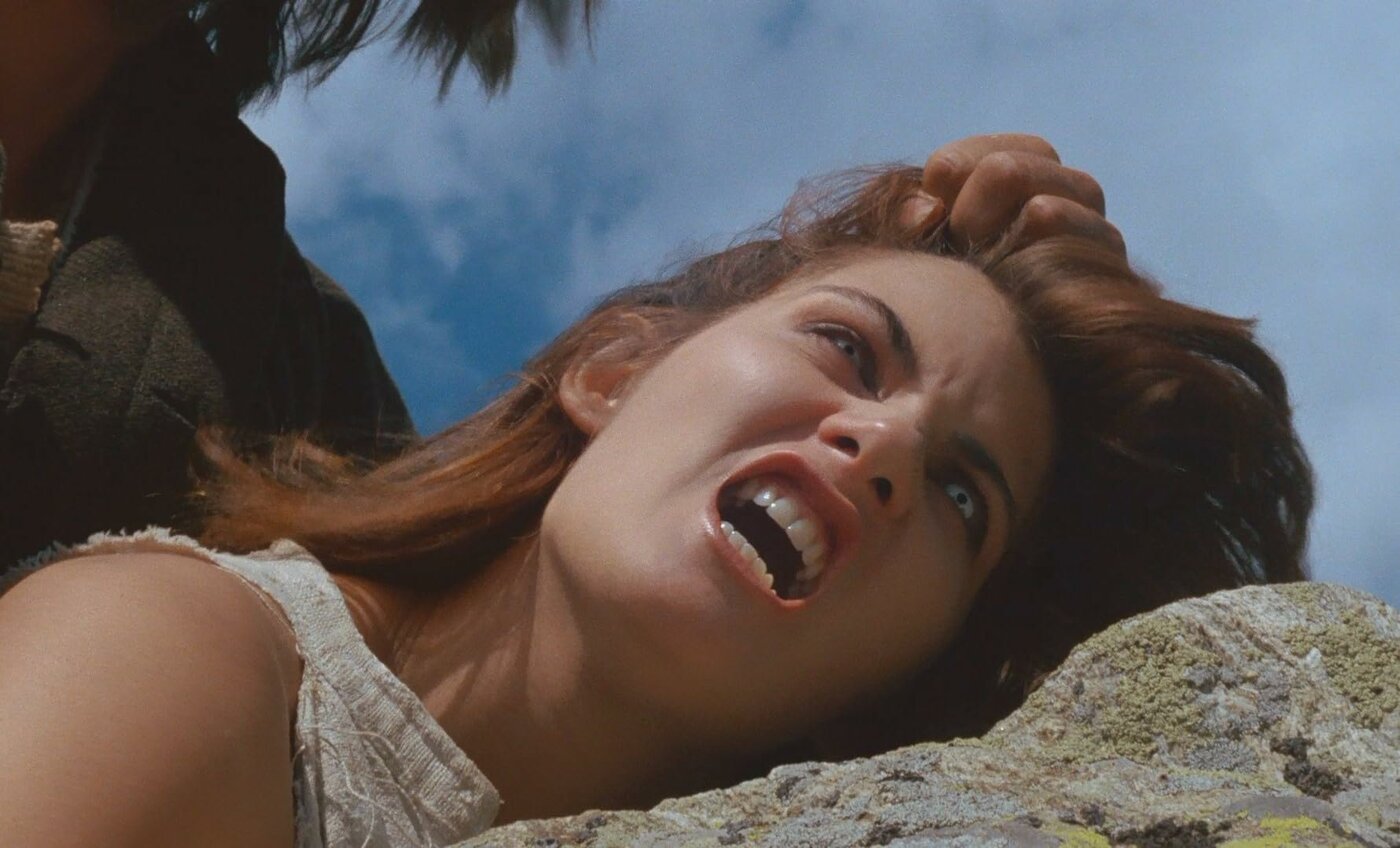
Sukkubus—Den Teufel im Leib (Georg Tressler, 1989).
What happens when a veteran director who helped shape postwar German-language cinema in the 1950s and ’60s decides to have one more go at it in his later years? When he casts two in-demand stage actors in the leading roles, alongside an Italian Playboy model whose physical assets steal the show? And when he draws on an old legend in which three shepherds, isolated in the Swiss Alps and frustrated by their forced sexual abstinence, fashion a female doll out of straw and roots?
The answer is Sukkubus—Den Teufel im Leib (1989), an utterly bizarre mix of mountain drama, folk horror, and sexploitation in which the aforementioned doll comes to life and begins to hunt the men down. (One of them is played by Peter Simonischek, whose impressive set of false teeth serves as something of a precursor to his celebrated role in Toni Erdmann [2016].) The film also offers a rare glimpse into the erotic world of Alpine herdsmen as shaped by the tension between morality, repression, and raw desire. In the opening scene, the youngest lets a cow lick food off his bare stomach until his pious father puts a stop to it—a taste of the depravity that lies ahead on the mountain pasture. What might sound on paper like good old-fashioned yodeling fun is staged by director Georg Tressler (Teenage Wolfpack, 1956) with solemnity and verve, leaving viewers slack-jawed in disbelief throughout its brisk 80-minute runtime. It’s no surprise that the film sank at the box office upon its release, only to be rehabilitated as a cult classic some years later.
Florian Widegger is head of program and curator at the Filmarchiv Austria in Vienna, the editor of various books on Austrian cinema, and a regular contributor to film magazines like Celluloid and Deadline.
Ratchapoom Boonbunchachoke on Thailand
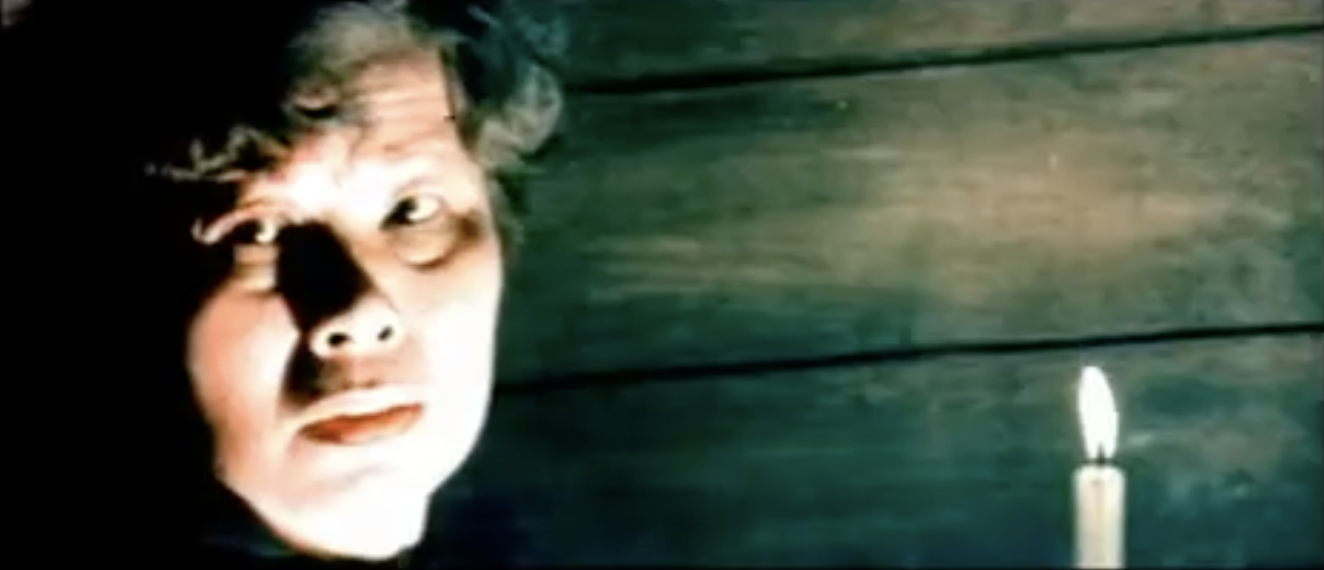
A Town in Fog (Permpol Choei-arun, 1978).
Thai cinema evolved during the tumultuous period of the Cold War from purely escapist entertainment into a means of reflecting the country’s social and political upheavals. In the 1970s and ’80s, Permpol Choei-arun was one of the most important voices among the new generation of Thai directors making boundary-pushing films, putting Thai cinema on the global map when The Old Monk (1980)—the progenitor of the beloved Thai subgenre known as the “monk comedy”—was selected to compete in the main competition of the 1981 Berlinale. His masterpiece, however, is A Town in Fog (1978), an adaptation of the Albert Camus play The Misunderstanding (French Existentialism was trendy among Thai students in the ’70s). Despite the setting implied by its title, the film takes place in a hotel two hours by horse from the nearest village. Like the Bates Motel, the eerie and quietly desolate inn feels temporally and geographically dislocated; it exists in an alternate, twisted universe that’s hidden from reality as-we-know-it. The hotel management—a mother, daughter, and male servant—survive by killing and robbing their guests, who consist mostly of “bad people” such as prostitutes and swingers. Not that the trio are any more virtuous. The guests praise the beauty of the fog that perpetually surrounds the hotel, yet we know that it’s used to hide the bodies. No one in this merciless world shows even a hint of kindness.
Consider the year of its release: in 1978, Thailand was only two years removed from the October 6th, 1976 massacre in Bangkok, one of the most violent events in its modern history. Students and protestors were killed, raped, and assualted by police forces and right-wing paramilitary groups, and some some estimates put the death toll at over 100. Then came the short-lived but extremely bloody and fascist regime of Prime Minister Thanin Kraivichien. Knowing this, the cruel fictional world of A Town in Fog might very well reflect reality itself, a reality in which the world is hopeless and dark, and where senseless violence erupts spontaneously. Even when the criminals are caught, redemption is impossible. It’s an allegory of feeling: of what it might have felt like to live in the country during those years, to be a town in fog.
Ratchapoom Boonbunchachoke is a Thai filmmaker, born, brought up, and based in Bangkok.
Manahil Tahira on Pakistan
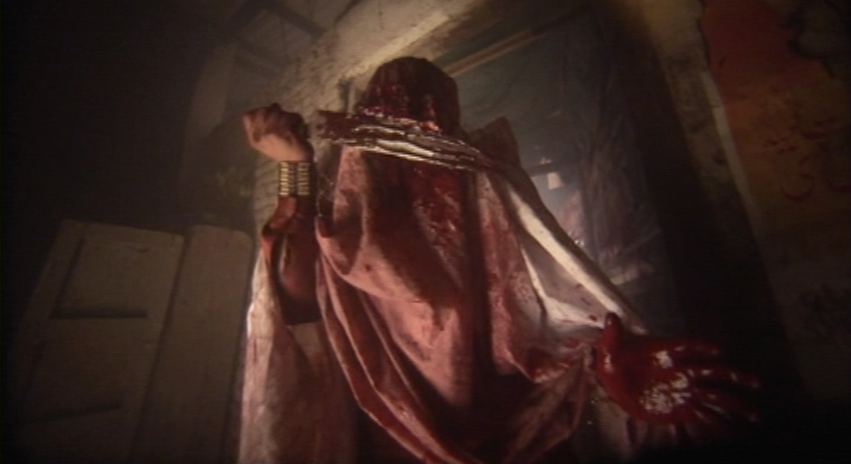
Zibahkana (Omar Ali Khan, 2007).
“There was a man… wearing a burqa!” “Don’t be silly. Women wear burqas, not men.”
This exchange about Baby, a burqa-clad killer, distills the gender-bending absurdity of Zibahkhana (2007). Loping through misty woods in blood-splattered white cotton, Baby swings a flail down on his victims to the groovy beat of a dhol: wedding queerness, monstrosity, and piety in one delirious image. Two decades later, Baby remains a grotesquely apt embodiment of 2000s Pakistan under General Pervez Musharraf, when military rule fused with the global War on Terror to carve out a “moderate Muslim state” amid heavy paranoia and government surveillance.
Promoted as Pakistan’s first “gore” film and co-produced by cult distributor Mondo Macabro, Zibahkhana, or “Hell’s Gate,” uses HD video to bring a raw immediacy to its garish display of pink-red innards, rotting flesh, and severed limbs. Director Omar Ali Khan’s cinephilia is equally ravenous, nodding to Girl Slaves of Morgana Le Fay (1971), Showgirls (1995), and Pakistan’s first horror film, Zinda Laash (1967), while riffing on Night of the Living Dead (1968) and TheTexas Chain Saw Massacre (1974). Yet his five teenagers, bound for a rock concert and eager to smoke weed, stray beyond Islamabad’s urban bubble into a distinctly local hinterland of horrors: menacing chai vendors, sewage-choked canals, angry sermons crackling over the radio, and old Punjabi songs all become grist for Khan’s gloriously grubby exploitation mill.
Manahil Tahira is a Karachi-based film critic who writes the ‘Watchlist’ column for Dunya Digital and edits non-fiction for South Asian Avant-Garde (SAAG) magazine.
Céline Roustan on Tunisia
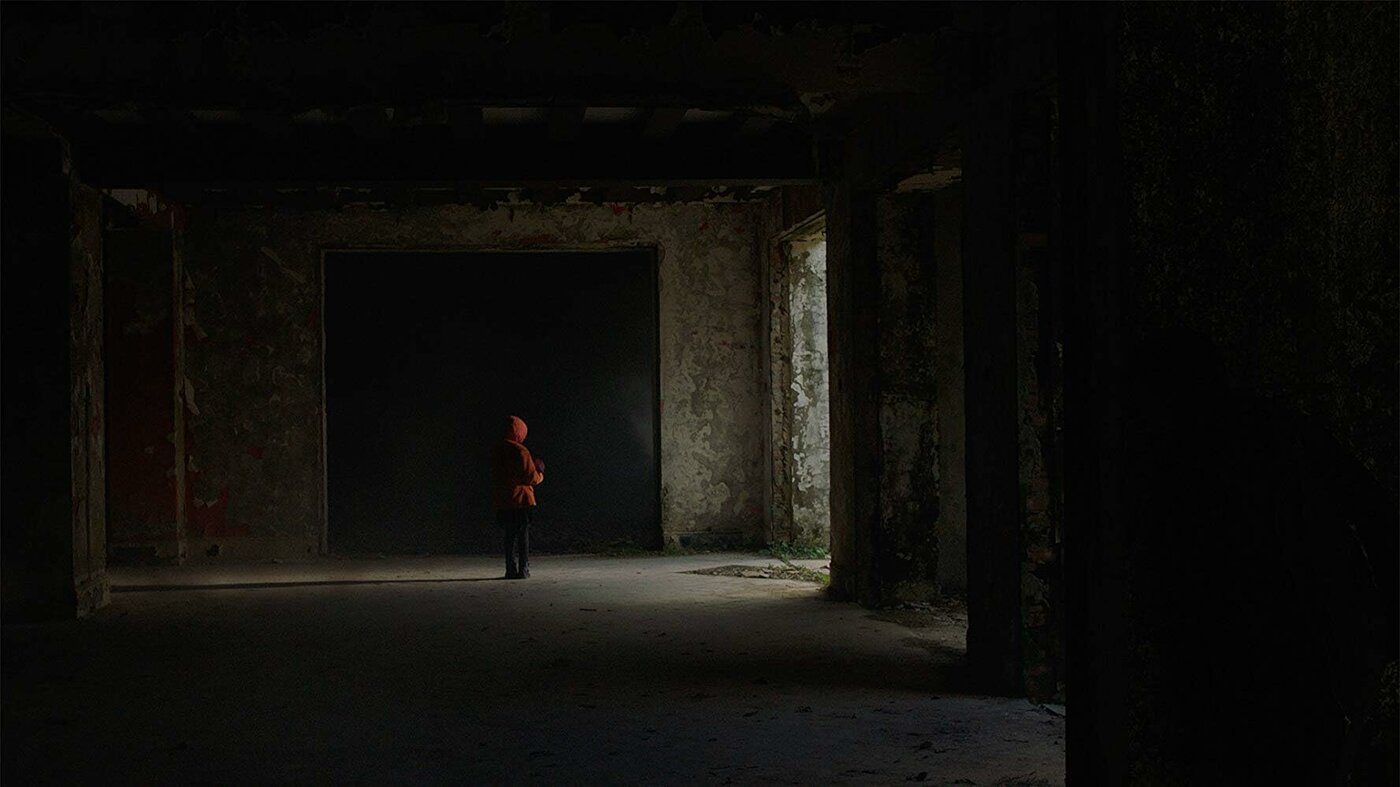
Dachra (Abdelhamid Bouchnak, 2018).
Billed as Tunisia’s first horror film, Dachra (2018) begins with a deliberately familiar premise. Three journalism students venture into a remote, unmapped village, a dachra in Tunisian Arabic, investigating a cold case about a young woman who disappeared shortly after going mad. Shot in the forests of Aïn Draham, in the rarely-seen-on-screen northwestern region of the country, the film plays with classic horror tropes, such as a community thick with secrets and a tension between modern logic and folk superstitions, but offers a Tunisian twist—the belief in the power of djinns and the evil eye. Black magic takes hold amid fog-shrouded mountains and pallid, claustrophobic interiors. From the opening scene, in which a disturbing ritual leads to the killing of a child, director Abdelhamid Bouchnak builds a palpable, steadily intensifying sense of dread, immersing us in the film with bloody symbolism and clever cinematography that turns mundane situations into unsettling ones. Bouchnak traps us within the village walls alongside his trio of protagonists, who struggle to keep their composure amid increasingly nightmarish events, which include supernatural visions, bodily mutilations, and cannibalism. At the heart of the film’s spiral into mayhem is Yasmine (Yasmine Dimassi), whose investigation quickly becomes a tale of survival; she is desperate to rationalize the horrors closing in around her but must eventually surrender to a reality that simultaneously defies comprehension and defines who she is and where she came from.
Céline Roustan is a Paris-based programmer and industry liaison who has worked with the Festival de Cannes, SXSW, Palm Springs, IDFA, and Fantastic Fest.
Chema González on Spain
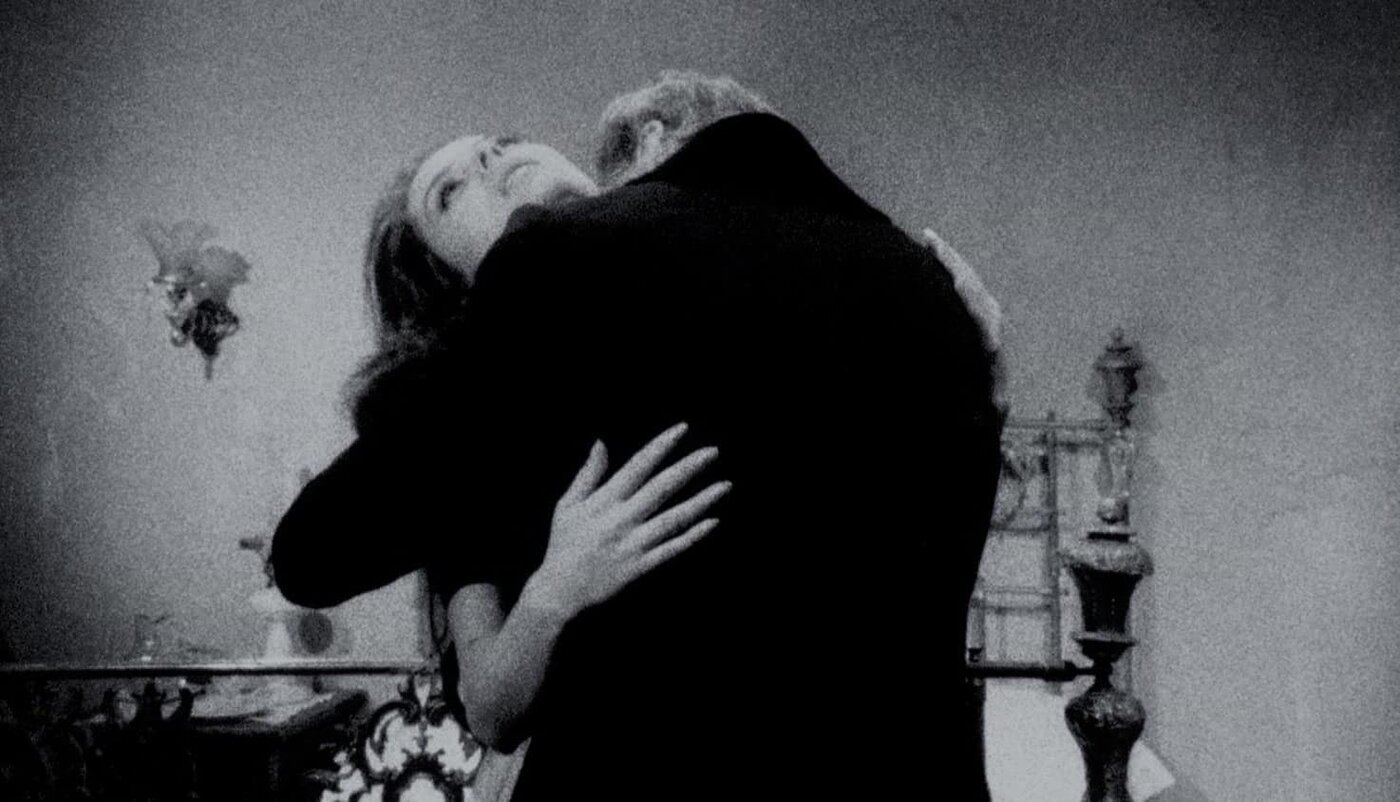
Vampir-Cuadecuc (Pere Portabella, 1970).
Vampir-Cuadecuc (1970) is an avant-garde horror film—and an exercise in vampirism itself. Shot during the making of Jesús Franco’s B-movie Count Dracula (1970) by filmmaker and producer Pere Portabella, it sucked the blood of that film, appropriating its actors, situations, sets, and production processes to create a radical new work that was banned by Francisco Franco’s regime. Portabella retains the claustrophobic narrative conventions of the vampire film (the mist, the mansion, the damsel, and Christopher Lee’s ghoul) while unsettling them through a series of formal maneuvers. There’s the sound design by Carles Santos—a disciple of John Cage—a woozy interplay of silence, odd ambient noises, an electroacoustic score, and jarring temporal dislocations; the transformation of the original lurid colors into stark black and white; and the foregrounding of the cinematic apparatus. The narrative collapses as the materiality of cinema is laid bare, producing a singular experiment in structuralist horror.
The title is a deadpan joke by the visual poet Joan Brossa, a frequent collaborator of Portabella. “Vampir,” in an echo of Carl Theodor Dreyer’s Vampyr (1932), invokes the canonical, auteur-driven vampire film—in other words, the precise antithesis of Jesús Franco’s exploitation romp. Cua-de-cuc, or “worm’s tail” in Catalan, alludes to analog film rushes and their excess footage, or that which is typically discarded. It’s a name that identifies the gesture from which this peculiar and haunting film emerged.
Chema González is the film and new-media chief curator at the Museo Reina Sofía in Madrid.
Raymond Ang on the Philippines
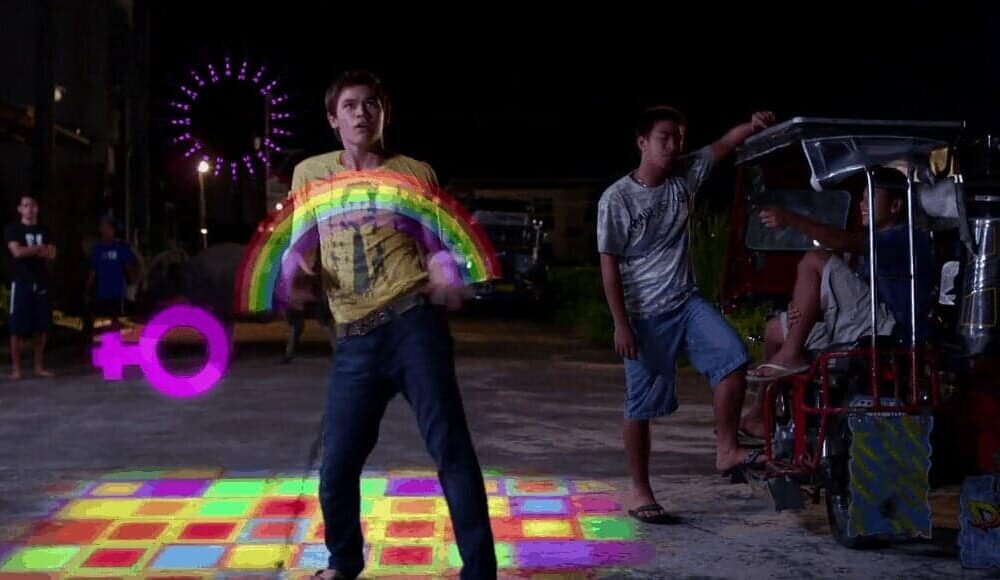
Remington and the Curse of the Zombadings (Jade Castro, 2011).
The Philippines has always had a rich tradition of great horror films, from the haunting minimalism of Mike de Leon’s atmospheric arthouse classic Itim (The Rites of May) (1976) to the crowd-pleasing Shake, Rattle & Roll (1984), a horror anthology franchise that’s dominated the local box office since the mid-1980s. But for sheer dumb fun, I always return to Jade Castro’s indie Remington and the Curse of the Zombadings (2011). This camp take on zombie horror follows a fresh-faced twink named Remington (Martin Escudero), who blossoms into his sexuality at the time that all the gay men in his small town are being killed—and coming back to life as zombadings (in English, zombiefags) to exact revenge on their mysterious, homophobic killer. Like all of-the-moment comedies, aspects of the film haven’t aged well—it came out right in the middle of Glee-era Woke 1.0—but its heart is in the right place, its tongue firmly in cheek. The cast, composed of some of the country’s most beloved character actors, including Janice de Belen, star of the original Shake, Rattle & Roll, dive into the unabashedly goofy material (the murder weapon is a gaydar gun) with relish. Think Friedkin’s Cruising (1980) meets Almodóvar’s Dark Habits (1983) with a dash of Zombieland (2009), done with bargain-basement special effects and a surplus of punk energy.
Raymond Ang is a Brooklyn-based, Manila-raised writer and editor. He is the director of editorial operations at GQ.
Zulfikar Filandra on Bosnia/Serbia
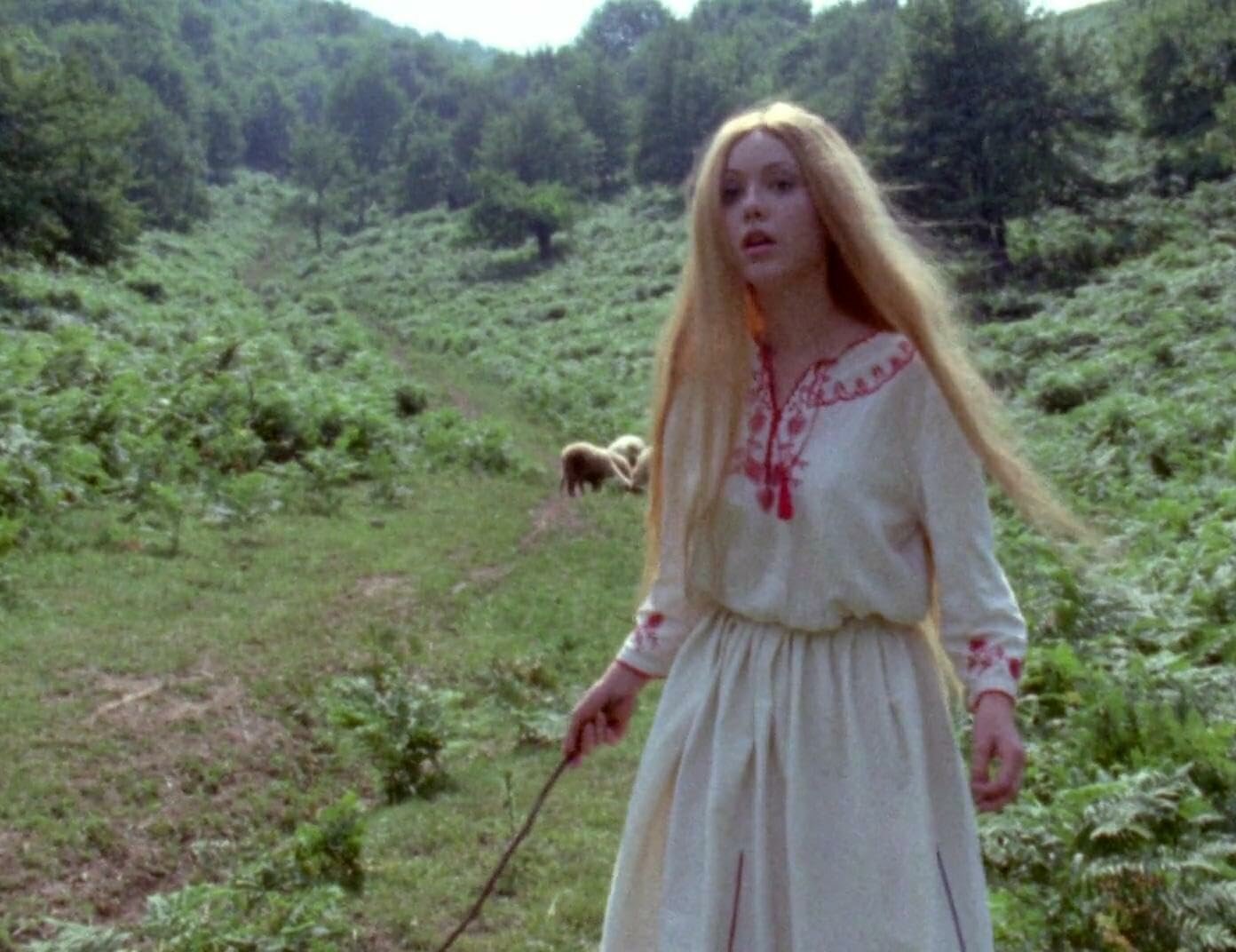
Leptirica (Đorđe Kadijević, 1973).
There aren’t many horror films from the former Yugoslavia and none, it seems, in contemporary Bosnian cinema—our part of the world has experienced enough nightmares that we prefer not to invent them. Still, you might have heard about Leptirica (1973), or “The She-Butterfly,”from Robert Eggers, who frequently cited it as one of the inspirations for Nosferatu (2024) during the film’s promotional tour. Funny enough, considering its standing as the most famous entry (and, in fact, one of the only entries) in the Yugoslav horror canon, it’s a modest made-for-TV film, and it’s vastly different from Eggers’s psychological interpretation of the vampire myth. Director Đorđe Kadijević’s characters are intentionally drawn as folk-genre archetypes, but the monster—long-fanged, like a vampire, but much hairier, like a demon moth—is treated matter-of-factly by the villagers even as it proves to be a metaphysical presence, changing hosts and bodies to perpetuate its existence through time. Set near the Drina River, whose history over the past century is extraordinarily bloody, on the border between Bosnia and Serbia, the filmfollows a group of villagers whose members are being murdered in their sleep. These frightful events take place as a romance blooms between a young miller and a shepherd girl who may be the ghoul’s human guise by daylight. It’s ultimately an illusion that “evil” can be physically defeated. Unsettling atmospheric elements—such as a recurring sound that might be the monster’s cackle or simply the wailing of an unidentified animal—persistently haunt the villagers, beautifully underscoring the important south Slavic concept of slutnja: Evil is always close and our actions and mistakes can summon it even closer.
Zulfikar Filandra is a Bosnian filmmaker and a programmer for the Sarajevo Film Festival.
Rafa Sales Ross on Brazil
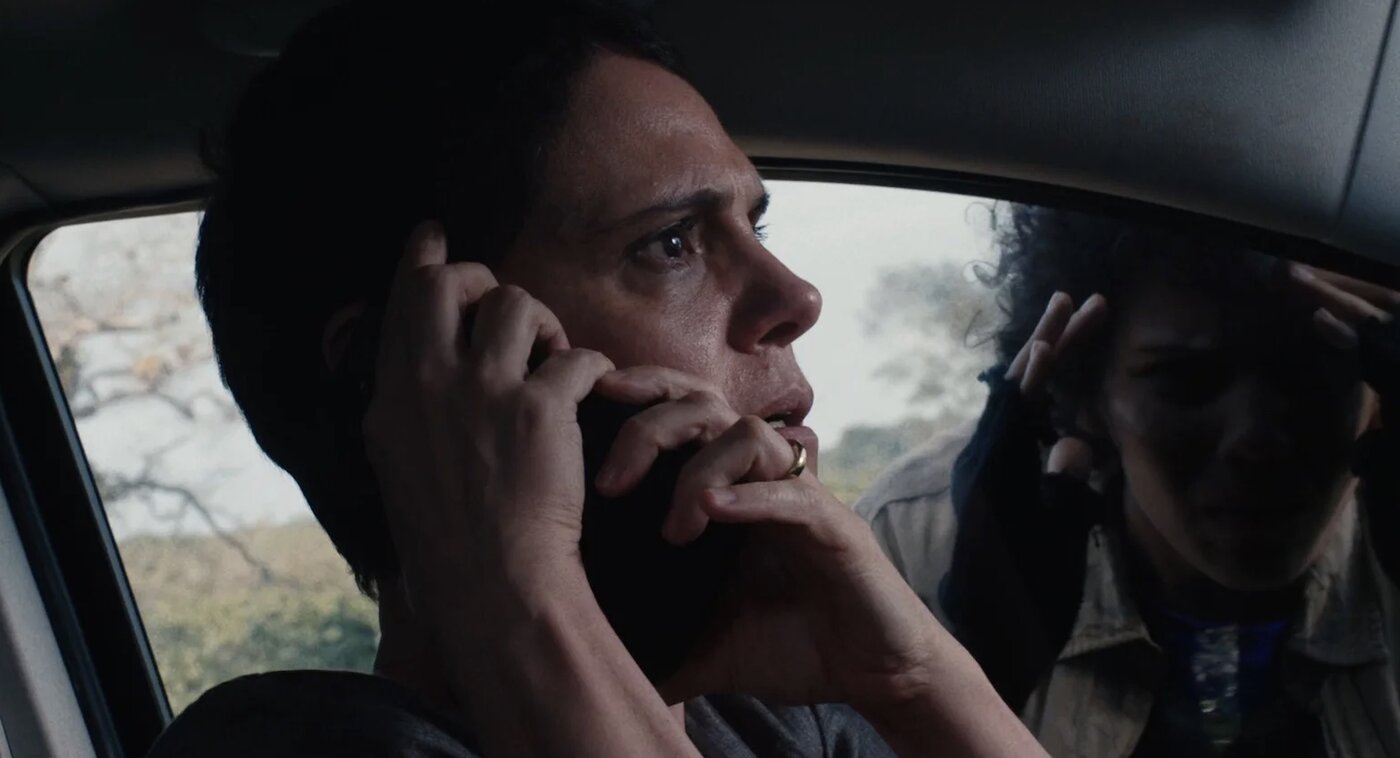
Property (Daniel Bandeira, 2022).
Property (2022) is a stripped-down, politically charged nailbiter set on a farm where the longtime workers are told that they are being laid off. The land has been sold with no consideration given to the lives sustained by that fertile ground. In a murderous revolt, the workers invade the farmhouse and brutalizethe boss, while his wife, Tereza (Malu Galli), climbs into the family’s bulletproof SUV for safety.
What follows in Daniel Bandeira’s haunting vision of Brazilian society is a visceral tug-of-war that exposes the fragility of structures built to safeguard the wealthy. Recalling the mercilessly violent cinema of Sam Peckinpah, but infused with Brazilian anthropologist Gilberto Freyre’s ideas about class animosity and the pretenses of intimacy that exacerbate these tensions, the film descends into a state of primal fury. With harrowing persistence, the workers pummel Tereza’s vehicular fortress, pounding the metal with the force of their long-suppressed rage as the pompous madam sinks deeper into desperation.
Other Brazilian genre films, such as Gabriela Amaral Almeida’s Friendly Beast (2017) and Kleber Mendonça Filho and Juliano Dornelles’s Bacurau (2019), have also sparked questions about Brazil’s history of slavery and the legacy of its violent systems of oppression. Yet Bandeira’s claustrophobic home-invasion nightmare stands out for its refusal to draw a clear good-versus-evil binary, upsetting our notions of victim and victimizer with its grimy, blood-soaked vision of moral murkiness.
Rafa Sales Ross is a Brazilian film journalist, critic, and programmer currently living in Scotland.