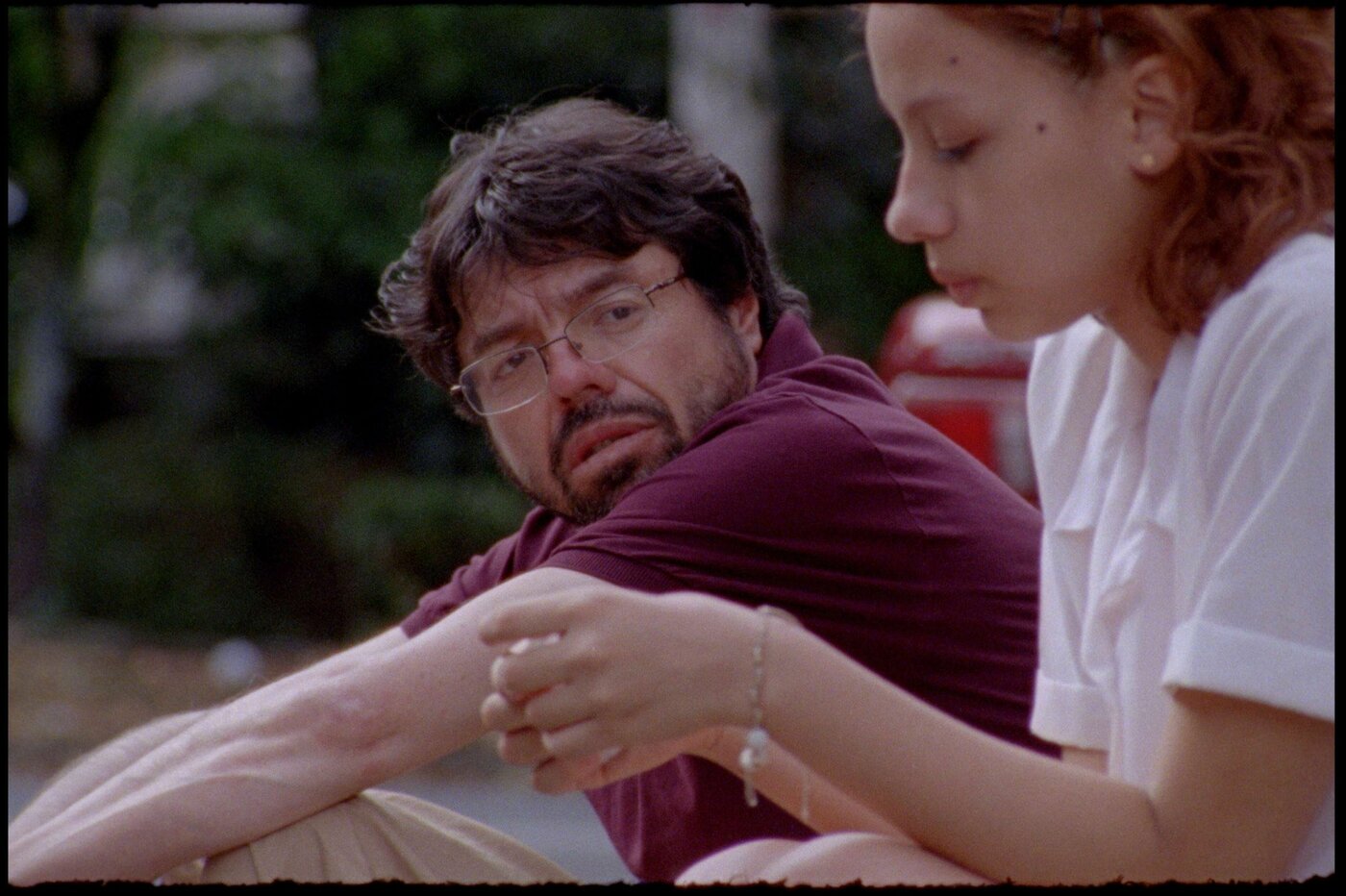
A Poet (Simón Mesa Soto, 2025).
Films about the artistic process often reflect their makers’ feelings about their own filmmaking practice. Few of these meta-textual depictions of artmaking are able to avoid the predictable tonal pitfalls of self-importance, pretension, and navel-gazing. Fewer still ever take a moment to look around and consider anything beyond their tortured artist’s predicament.
As an artist, Simón Mesa Soto isn’t anything like Oscar Restrepo (Ubeimar Rios), the failed wordsmith at the heart of his sophomore feature film, A Poet (2025). The film marked Soto’s fourth showing in Cannes, after the Short Film Palme d’Or–winning Leidi (2014), his follow-up short Madre (2016), and his debut feature Amparo (2021). But, speaking to Notebook from his native Colombia shortly after A Poet won the Un Certain Regard Jury Prize, the director explained that Oscar was born from the frustrations he still felt while trying to make films in his home country. “Making my first feature film was a bit of a struggle, and I was feeling a bit overwhelmed by the process,” Soto said. “Besides making films, I was also teaching, and when I finished my first feature, I thought, ‘Well, I’ll probably just be a full-time professor and give up on all this nonsense.’”
Though A Poet begins as an absurdist, intentionally cringe-inducing portrait of a wayward poet’s soured ambitions and unchecked neuroses, the film gracefully and unexpectedly expands into an acerbic takedown of a whole industry. In light of a literary scene whose gatekeepers are only cursorily interested in art, Oscar’s erratic behavior soon begins to look less like pathological self-destruction and more like righteous rebellion. What makes him so desperate: his own failings as a person, or the social codes of Colombian poetry circles?
Oscar does not have the luxury to figure it out: With alarming accuracy, A Poet also captures the psychic toll of economic instability. Struggling to make ends meet, living moment-to-moment in a perpetual present, Oscar escapes to the past through his long, embittered rants about dead poets, or else to booze once his audience has had enough. He reconnects with day-to-day reality when he reluctantly accepts a teaching job at the local high school, his new colleagues embodying the kind of humdrum tranquility that comes with a regular salary—or, Oscar would argue, with artistic compromise.
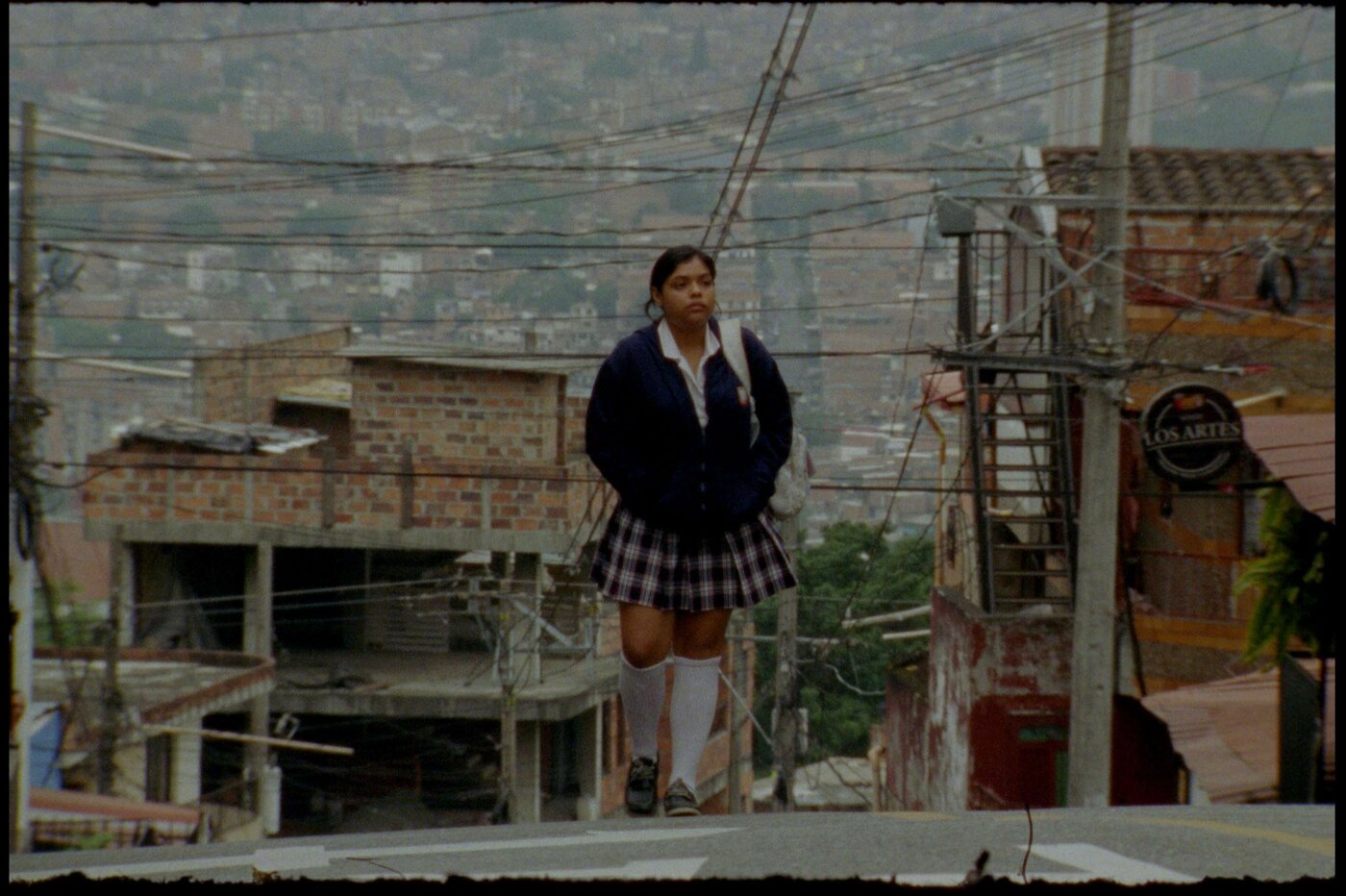
A Poet (Simón Mesa Soto, 2025).
What a surprise, then, that from this cesspool of concessions and broken dreams, true art could emerge. At the nadir of his capitulation, Oscar spots raw talent in Yurlady, one of his students, and takes it upon himself to shepherd her toward success—for her sake as much as his. From his new vantage point of guardian/chaperone, he soon realizes that this young girl from a disadvantaged background is particularly vulnerable as she enters the art world’s predatory circles. It takes him a lot longer to understand, however, that she is also more impervious to its dangerous charms, empty promises, and hyperbolic flattery: unlike some, she writes for fun, not glory.
Echoes of John Cassavetes’s off-the-cuff visual style reverberate throughout the first section of the film, a documentary-like snapshot of a frenzied outsider essentially running in place—like several of Cassavetes’s collaborations with Gena Rowlands. A hint of mumblecore awkwardness is perceptible here, too. If those reference points seem surprisingly American for a Colombian production, this astute film obliquely comments on those expectations soon enough. When the organizers of a poetry competition nudge Yurlady to write about her experiences as a member of a disenfranchised minority group, Oscar looks on uneasily, even though he knows this would definitely please the foreign judges. Aren’t Yurlady’s gentle poems about the cozy atmosphere in her home, or the feeling of light on her face, meaningfully representative of her experience, coming as they do from her actual, first-person perspective? In the same way, is Soto’s film any less Colombian for not following a clichéd genre template intended for international viewers—whether a gritty social-realist drama or a drug trafficking thriller?
In topic and tone, A Poet is a significant departure from Amparo, Soto’s hard-hitting drama about a mother trying to save her son from compulsory military service. But Yurlady calls to mind the young female non-actors of his shorts Leidi and Madre (2016): like them, she also turns out to be less ordinary than she appears, and her experience on the margins is what truly inspires Soto. This mordant reflection on the place of art in a person’s life, and on the place of the artist in an exploitative society, finds the filmmaker at his most mature and thought-provoking, but also at his funniest. As A Poet makes hilariously clear, that is not a contradiction in terms.
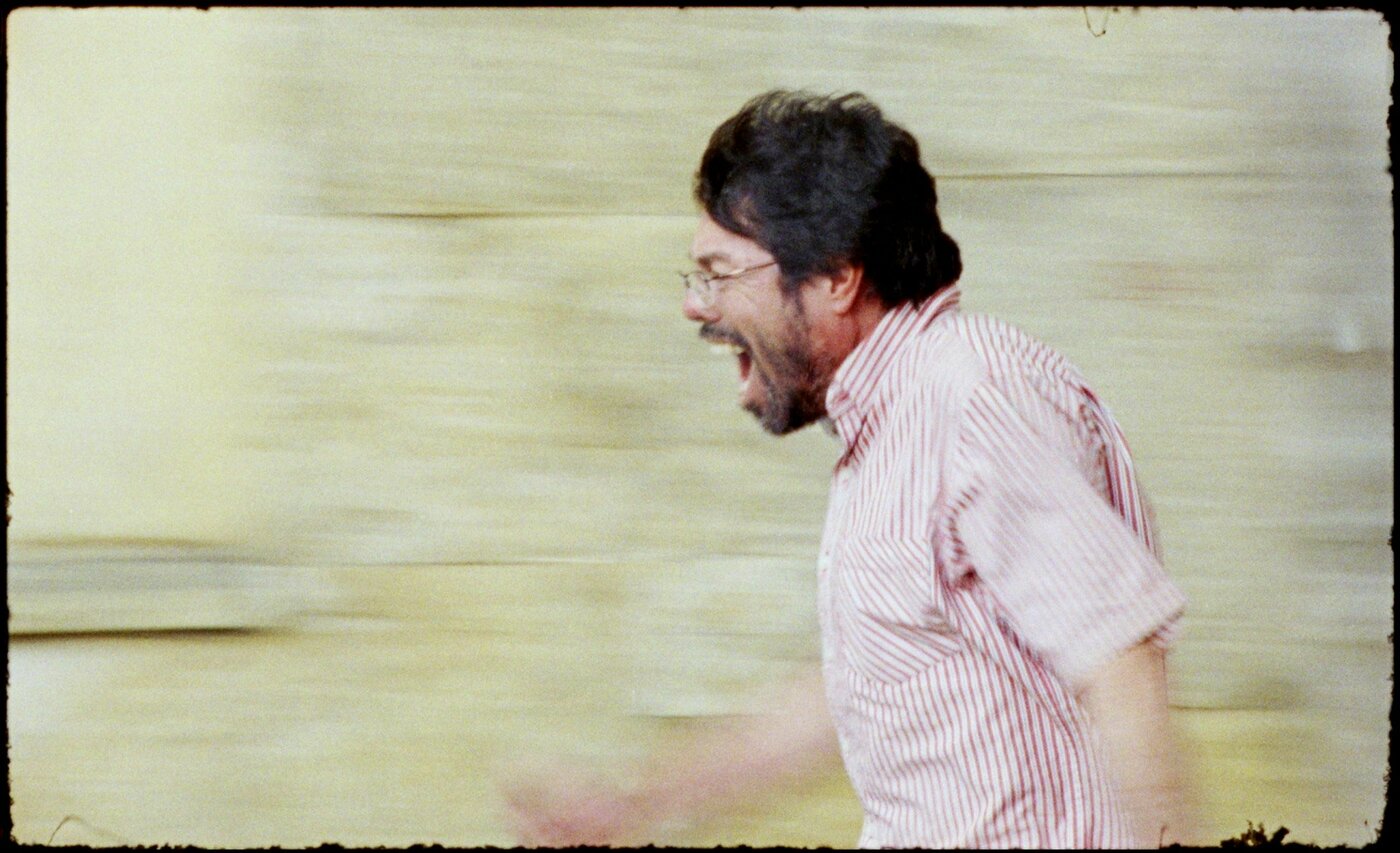
A Poet (Simón Mesa Soto, 2025).
NOTEBOOK: What was your inspiration for this film?
SIMÓN MESA SOTO: Around 2015, I started going to poetry readings in Colombia at the invitation of friends in these cultural circles. I found that world interesting, because these poets were not very successful or rich people. They were dreamers who were talking highly of themselves as poets, but they weren’t big poets. In that sense, they also felt like a mirror for me, because sometimes you think that, having made just one feature film, you’ve become a master! But at that time, I wasn’t thinking about making a film about poets. I might have made a documentary, because I found these people very funny and interesting.
Making my first feature film was a bit of a struggle, and I was feeling a bit overwhelmed by the process. I had to spend such a long time financing, writing… I was frustrated, and I started to have doubts about pursuing this dream, this passion, this love for cinema. Besides making films, I was also teaching, and when I finished my first feature, I thought, “Well, I’ll probably just be a full-time professor and give up on all this nonsense.”
But of course, those were only thoughts. This is what I know how to do, what I’ve been doing for many years now. I began thinking instead about my own professors back in university, guys who were in their fifties and couldn’t manage to make films. This was partly due to the same difficulties I faced, but also because these people had come of age in the 1980s and 1990s, in the most dangerous city in the world. They had to cope with a lot of violence while still trying to make art. And drugs were everywhere: Medellín is the home of the mafia, so drugs were very cheap here. It is a nightlife city, and most of these people failed to follow their dreams or their passion for art because of that bohemian lifestyle. They succumbed to the night in the city.
At that time, I was feeling like this might turn out to be my fate, too. I thought I should make a film so as not to become that person. But at this stage of my life, I am also grappling with a lot of other concerns and dilemmas as a member of contemporary society; being a man is something that one must consciously think about nowadays. All of these things started finding their way into the film. But ultimately, it was about this guy, who is passionate but fails anyway.
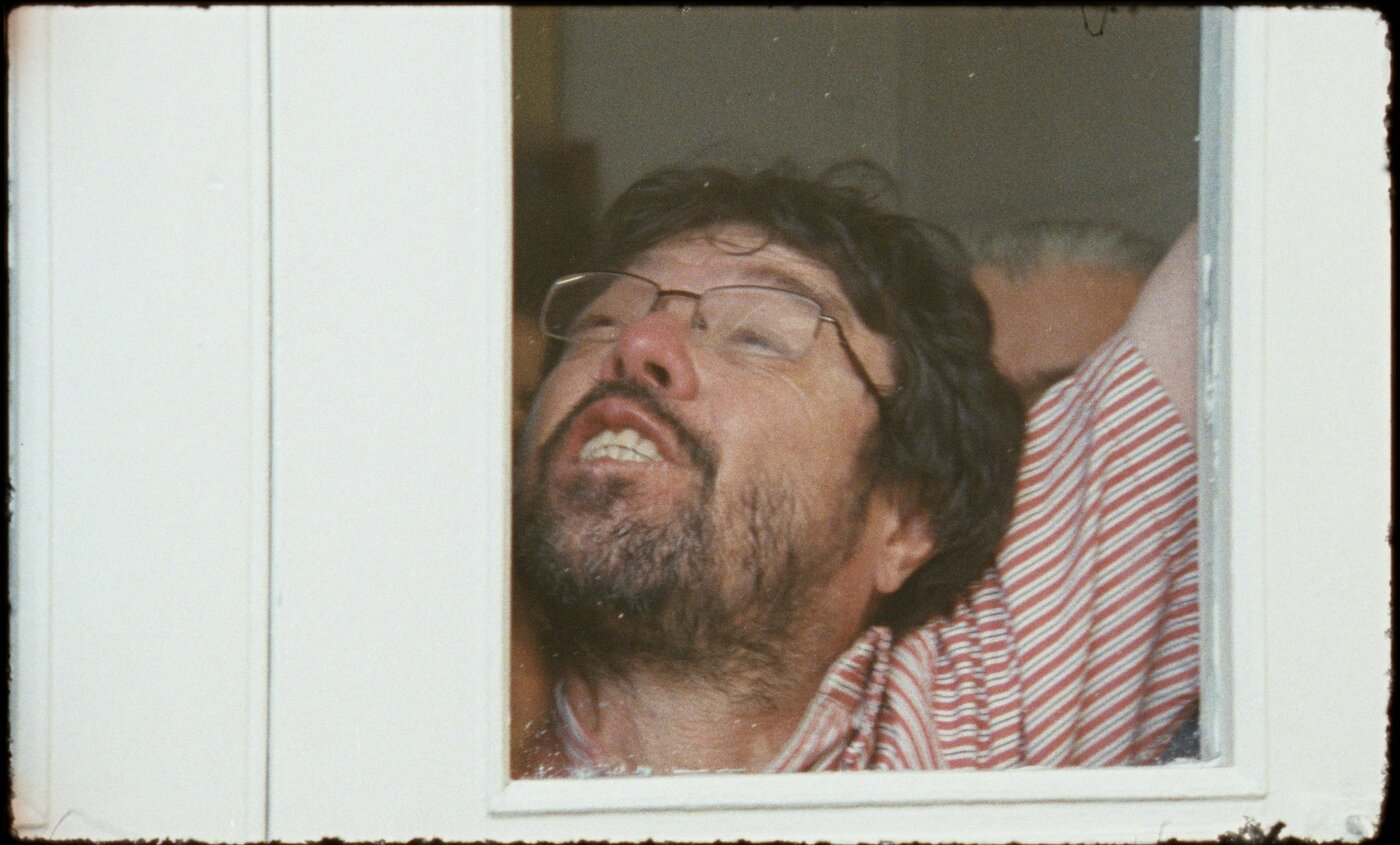
A Poet (Simón Mesa Soto, 2025).
NOTEBOOK: You could have made a film that was just a portrait of this man: his past, his failures, the way his bitterness has changed him. But the film goes in a different direction, and soon, it’s no longer just about him. It’s also about the art world, the world of poetry, and the young Yurlady. How did this come about?
SOTO: Oscar is a tool for me to address all of my concerns as a filmmaker. Of course I see myself in that person, a version of my failed future. But when you’re writing a script, you have a lot of other things on your mind, and they come up organically in the story. For example, Yurlady, to me, is like a character from my previous films. I have a few short films where the main character is a girl just like her, and this relationship between me and these non-actors is quite unique. A director trying to make a film about a girl from this background—I’m like Oscar in that sense, too. In Colombia, filmmakers face this dilemma when they work with non-actors: We make them a part of our work of art, and that’s a moral choice. There’s an ethical dilemma there. When you make a person part of a film, you change their life for a while; they might think they’ll become an actor. The question of how to behave in this relationship with my actresses really is a dilemma for me.
But I didn’t want to be very serious about that. I wanted to make people laugh. This was in part because my previous film had been so difficult for me. I wanted to reconnect with the joy of making cinema, so I didn’t want to do a dark treatment of those themes, only to make fun of it all, and make fun of myself—the dilemmas we face, or how we try to please audiences abroad. In filmmaking as in other artforms, you feel the need to get the attention of people abroad for the work to be more visible. In Colombia, we tend to talk about certain themes that we feel will be more interesting to those people. This shapes our art. You see now that Latin American cinema is quite distinctive: It has an established form, which is a product of the interests of people from other countries, and is not necessarily a reflection of our own interests. That’s why I also wanted to do a comedy, and something unexpected. I didn’t want to follow a certain tradition of Latin American cinema. I wanted to do something that was free, that didn’t follow any references. Being a film about a poet, it may look like a comedy from New York or Paris. But it’s actually more like a parody of those films.
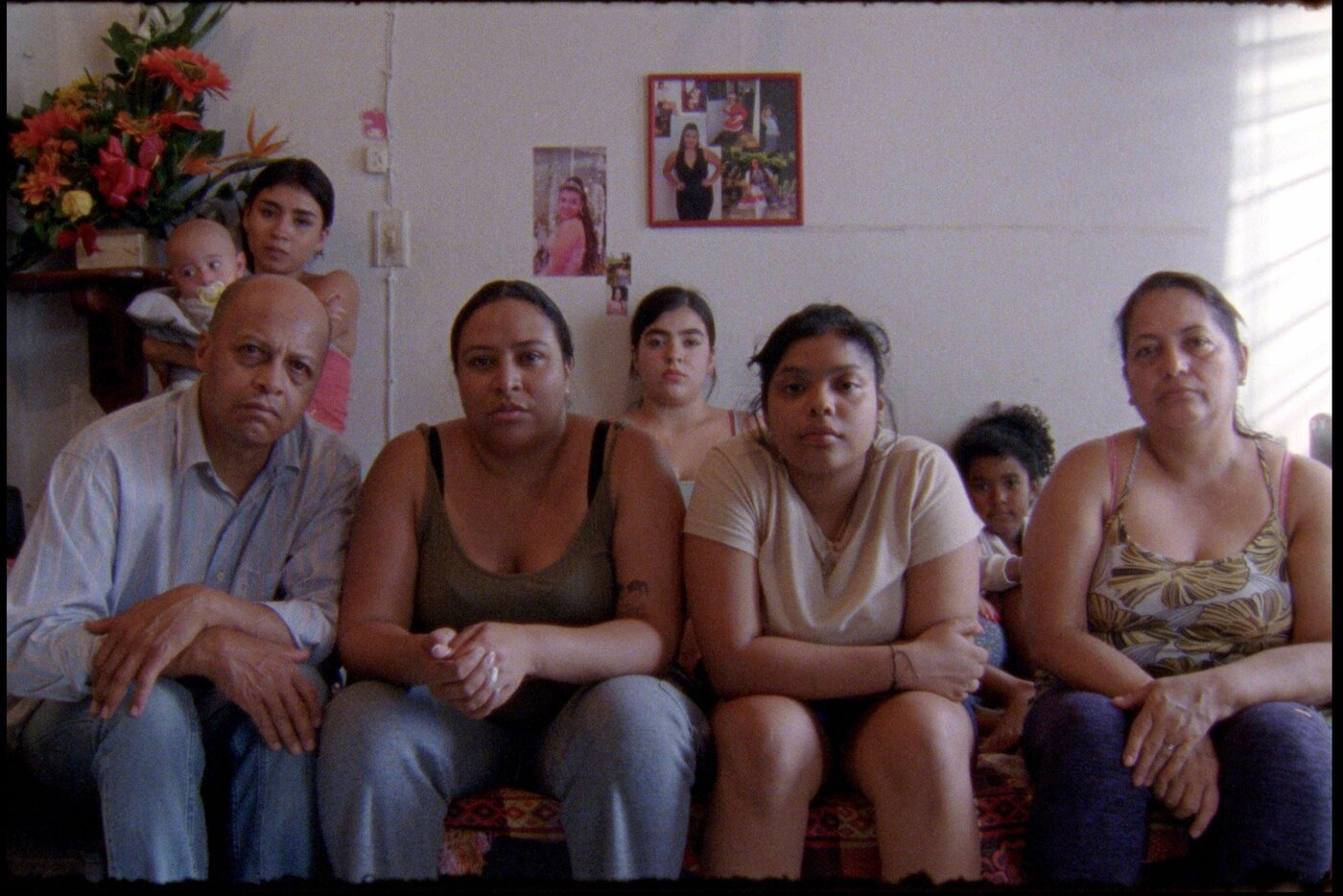
A Poet (Simón Mesa Soto, 2025).
NOTEBOOK: In its earlier moments, the film reminds me of mumblecore cinema. But it then goes on to tackle some very serious issues, though always with a thoughtful sense of humor. How did you work on these tonal shifts?
SOTO: At the beginning, the film was less of a comedy, but I gradually decided to put more and more humor in it, trying to find funny moments. And I decided not to care too much about how serious the topic was. We live now in a world where we are not allowed to laugh, in some way—we are not allowed to just be. We have to be good people. We have to behave, and we cannot make mistakes: If we do, we are judged, and very harshly so. I decided not to be afraid of being judged. I was trying to avoid placing those restrictions on humor. Of course, there’s a thin line between darkness and comedy. I also think the editing helped a lot: There are things that we decided to cut out of the film because we were trying to balance all of those emotions in the film.
I knew I wanted to have this character who, while he often makes mistakes, is also a fragile and humble guy I could really relate to. I wanted the audience to connect with him so that we wouldn’t just laugh at him; we’d also engage with him emotionally. But all of these things are risks. This is my second feature film; I feel like I am still in this process of understanding many things about cinema. When I wrote the script, I was taking risks, hoping that this rollercoaster of emotions would make sense, and praying for the best.
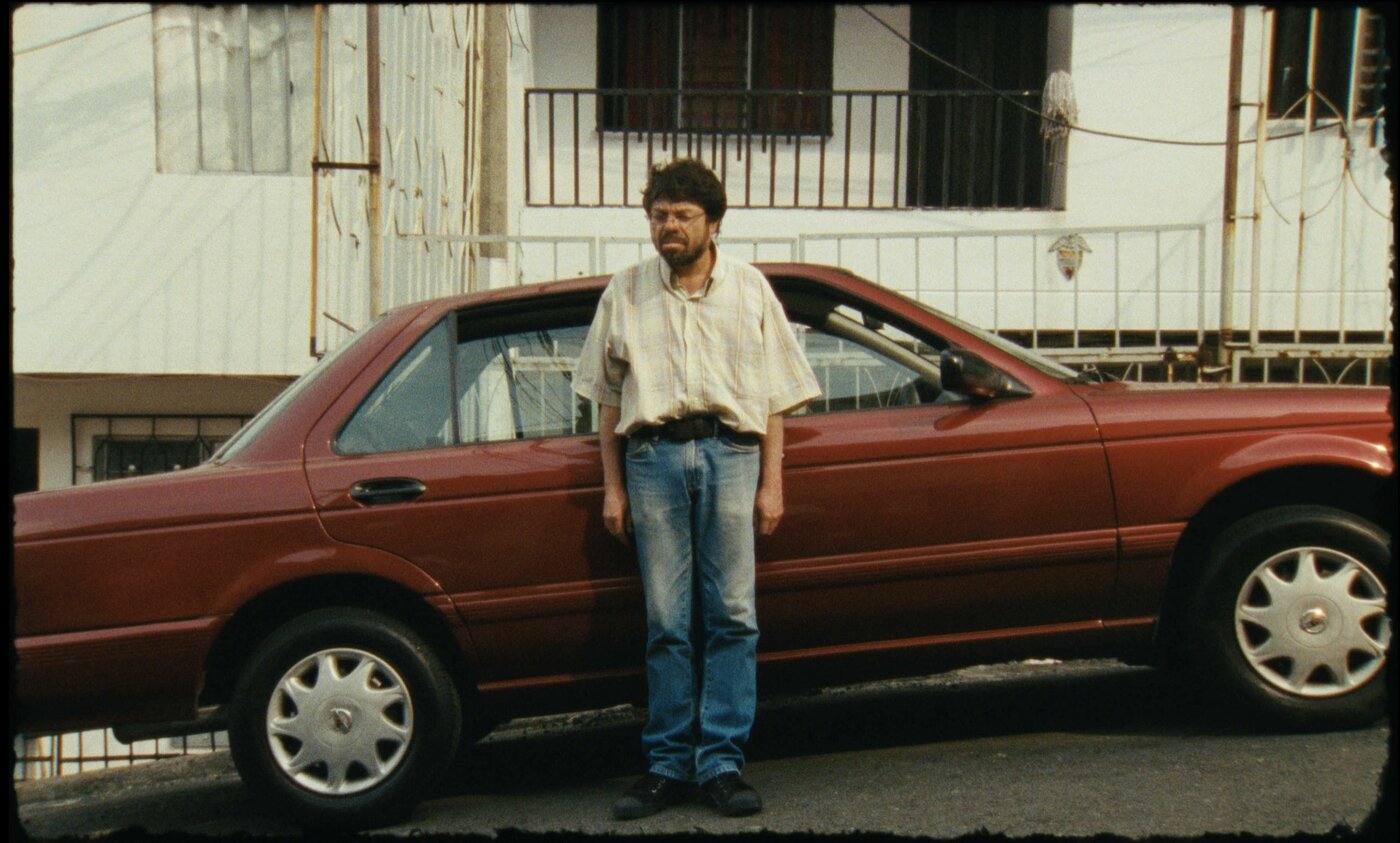
A Poet (Simón Mesa Soto, 2025).
NOTEBOOK: The film’s aesthetic evokes a documentary, as though you’re catching the characters on the fly, which contributes to that feeling of dynamism. In that sense, the visual style seems in line with Oscar’s personality.
SOTO: I wanted to make something like a reality show about poets. I was inspired by films from the 1970s, like those by John Cassavetes, or Grey Gardens (1975). Because for me, Oscar resembles a character from the past. He’s someone who is living off memories. Even though the film takes place in the present day, I wanted to create the feeling that he belonged to the past.
I also wanted the film to be imperfect, dirty, and kind of ugly, in part because I sought to counter the expectations laid on contemporary cinema. Contemporary cinema is so clean and tight—I wanted to go the other way, which felt more unexpected to me. We had references like Cassavetes and Dogme 95, and we would try certain strategies, like turning the camera towards someone only after they’ve begun talking. The film’s cinematographer, Juan Sarmiento Grisales, and I have been working together for twelve years, so we talked a lot about this. We started rehearsing and testing movements, because we knew we’d only be able to film two or three takes per shot since we were shooting on 16mm, which is very expensive in Colombia since we don’t have a lab here. We had to send the film to Stockholm. We knew we wouldn’t have much time during the shoot, so we prepared a lot in preproduction. Around 70 percent of the film had already been shot on video cameras during rehearsals with the actors.
NOTEBOOK: How does this desire to make a different kind of film intersect with the awareness that you’re making films which might be seen by people—in Cannes, for example—who may expect something else? How do you think about reaching audiences in Colombia, and how does this influence your vision of what you want to, or can, do as a filmmaker?
SOTO: This film was very personal, not only in terms of the story, but also in the way I made it. I was glad and surprised that such a weird film would be invited to Cannes, because it meant that a lot of people would see it. But when we release Colombian films in local cinemas, Colombian audiences don’t often go watch them. This is partly because we are not making films for them, but mainly for abroad. That’s why it almost felt like a duty for me to try and make a film for our own audiences—though I was surprised that a lot of people outside of Colombia actually understood many of the very Colombian things in the film, like the references to Gabriel García Márquez or José Asunción Silva. I wanted to make something that was valuable as a work of art, but also easy for people to watch. Even though the film addresses many intellectual issues, I think that the character is engaging enough for people to be entertained.