"Life-Edit (A Companion to Streaming and Solitude)" is a text by Costanza Candeloro commissioned by Fondazione Prada. Focused on the individual and collective experience of streaming, this native content accompanies the film project "Perfect Failures" conceived by MUBI and Fondazione Prada and available on the online platform in select countries from April 5, 2020. Every week an illustrated chapter of the text will be published on Fondazione Prada’s website and on the Notebook.

Above: Cosplayers at the Super Comic Convention, ExCeL Centre, London. Courtesy Marcin Rogozinski / Alamy Stock Photo.
The evolvement of streaming did not maintain its offer of “unlimited storage” to its users, as repeated plays do not equal ownership, neither truthful and just accessibility; the monomania of fandom, a reel that thrives on analysis, theories and the rewatching of a single body of content was left empty handed.Content became separated and the normal flow of watching by distancing and commenting through keyboards that created the protocols for the burgeoning of streaming platforms became a disaffected singular stream, a stable offer of disciplined contents, subjects and auto-adjusted resolution, prevented what fandom is based on, human-based research activity, visual pleasure kept by rare and precious content. Content ages and disappears, like habits, contemporary streaming customers have now adopted a median position that puts them like a mixed-breed onlooker constructed by data-hoarding and fandom: “greedy for content, exhausting seasons by trend, the big news that orient human chit-chat, with nomad and unpleasant passion.”
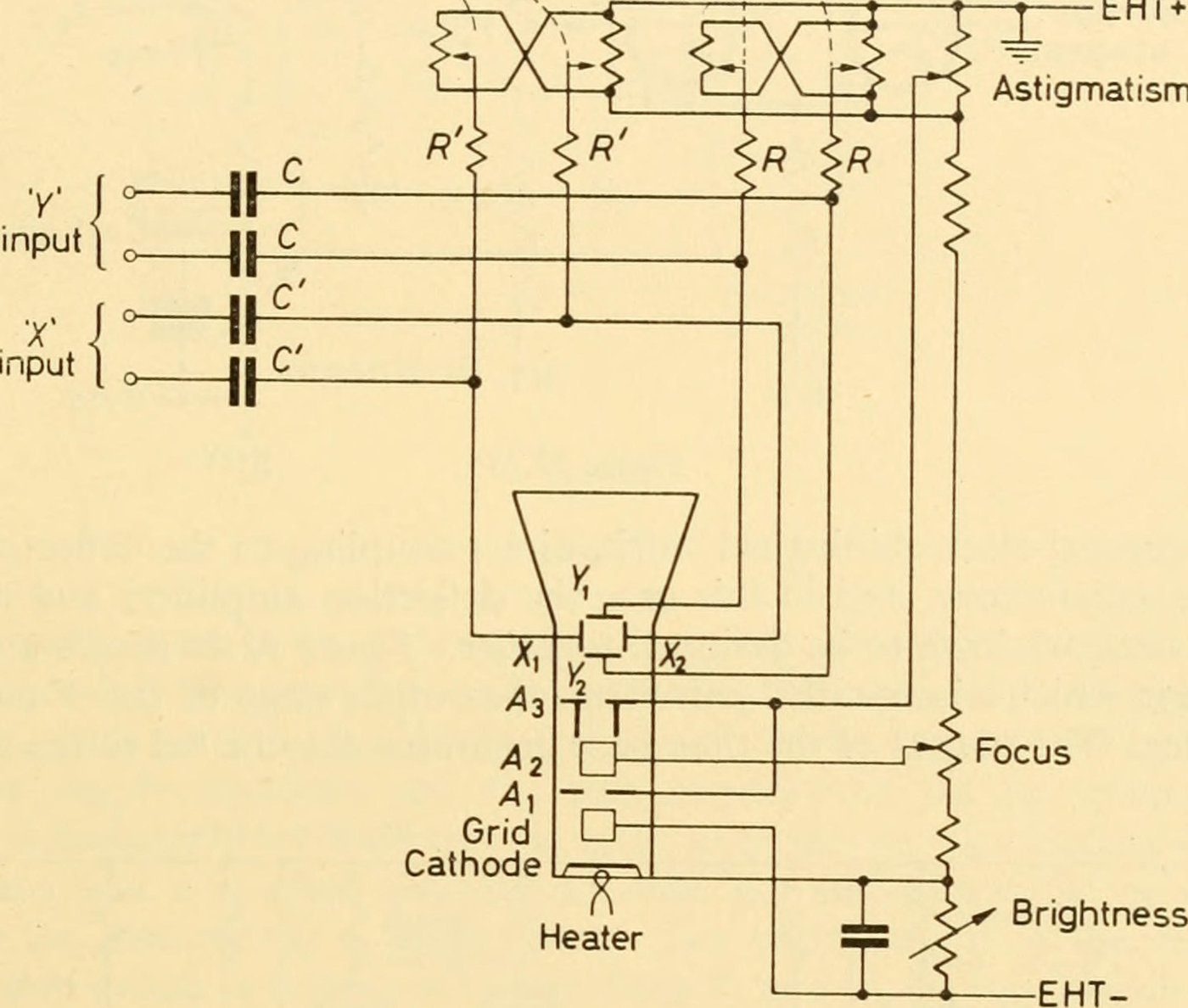
Above: Electronic circuit of a cathode-ray-tube oscilloscope. The operation on the focus and the astigmatism potentiometers permits to find the optimum focus condition of the light source. Courtesy The Bookworm Collection / Alamy Stock Photo.
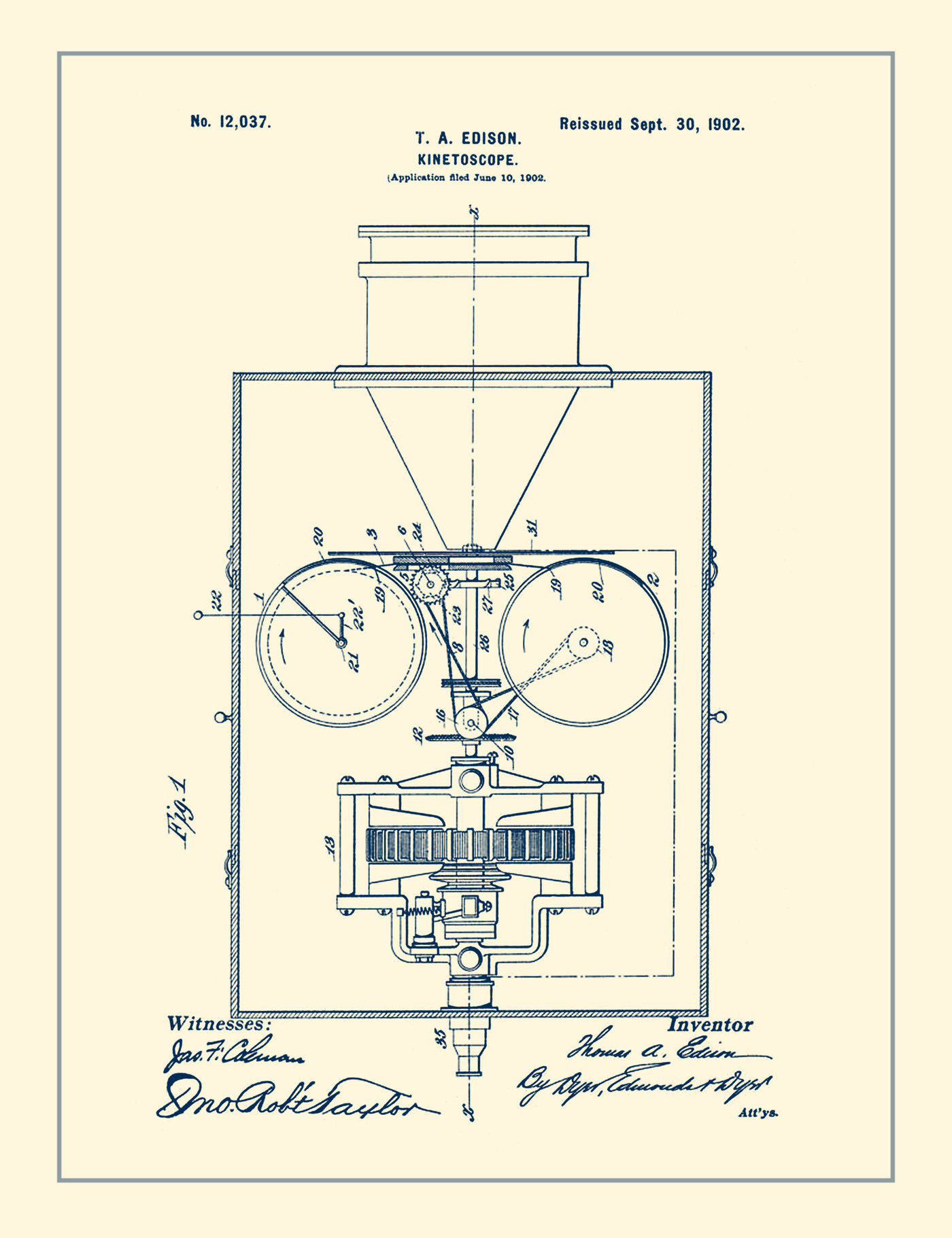
Above: Thomas Edison’s kinetoscope patent, 1902. Users could watch a short motion picture through the peep-hole of the device.Courtesy Science History Images / Alamy Stock Photo