Related Images invites readers behind the scenes and into the sketchbooks of working filmmakers to learn more about their creative processes.
Saulė Bliuvaitė’s Toxic (2024) is now showing on MUBI.
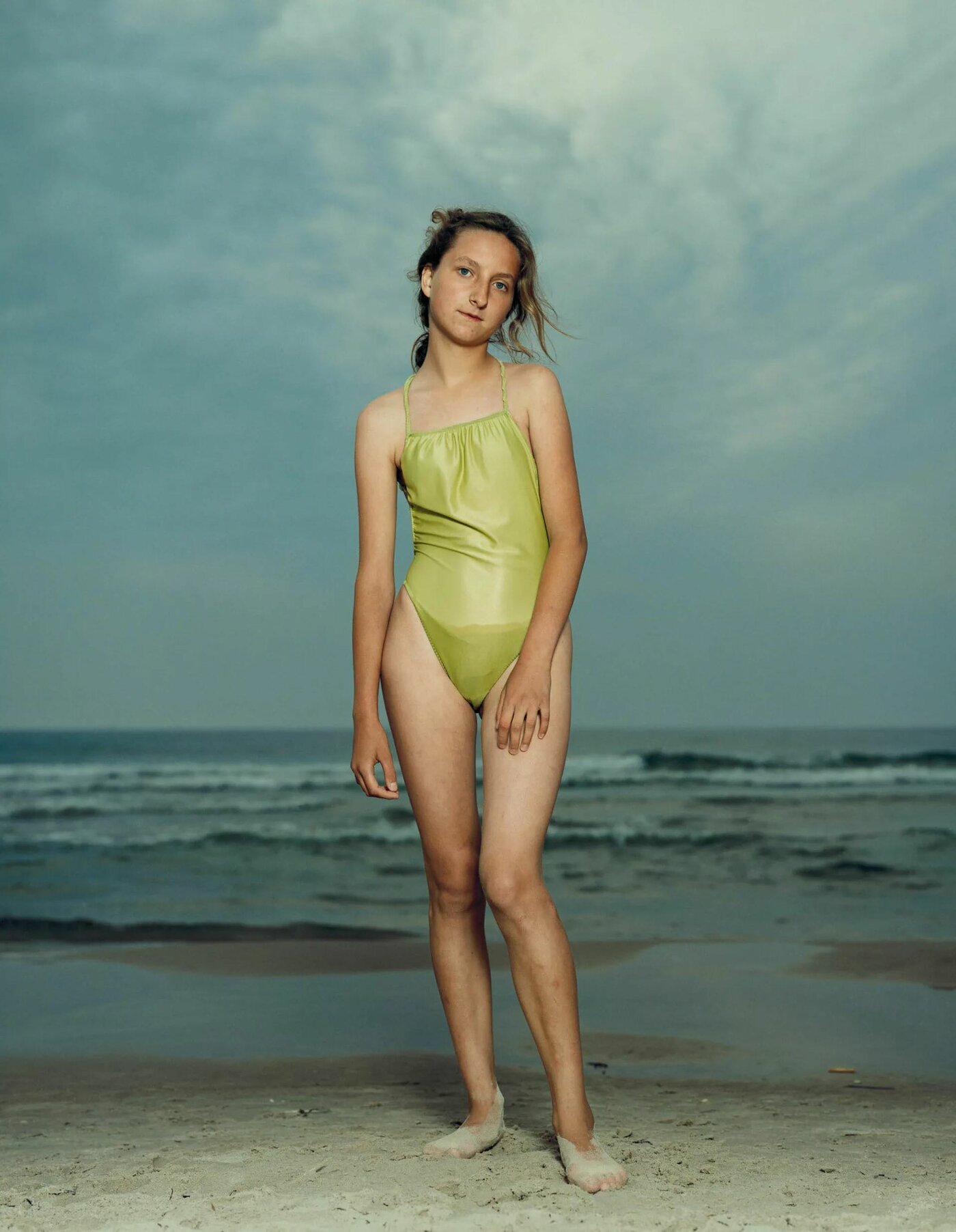
Rineke Dijkstra, Kolobrzeg, Poland (1992), from Beach Portraits.
Around 2018, I was at the Stedelijk Museum in Amsterdam and bought a postcard featuring a photograph by Rineke Dijkstra, from her series Beach Portraits. It depicted a young girl on the beach—I couldn’t quite tell her age, maybe around thirteen—posing for the camera, her lean body illuminated by a direct flash. It was long before I started writing the screenplay for Toxic (2024), but this image of a girl caught somewhere between childhood and adolescence made me deeply curious about that in-between state of being thirteen. Dijkstra captured something profound in that picture, and I felt there was so much to take from the expression on the girl's face and translate into a film. It reminded me of myself in adolescence, the very thin and awkward girl that I was. That postcard stayed on my desk for five years while I was making Toxic; this girl accompanied me through the entire creative process. Whenever I felt lost in the direction of the film, that image brought me right back to the core—to where it all started.
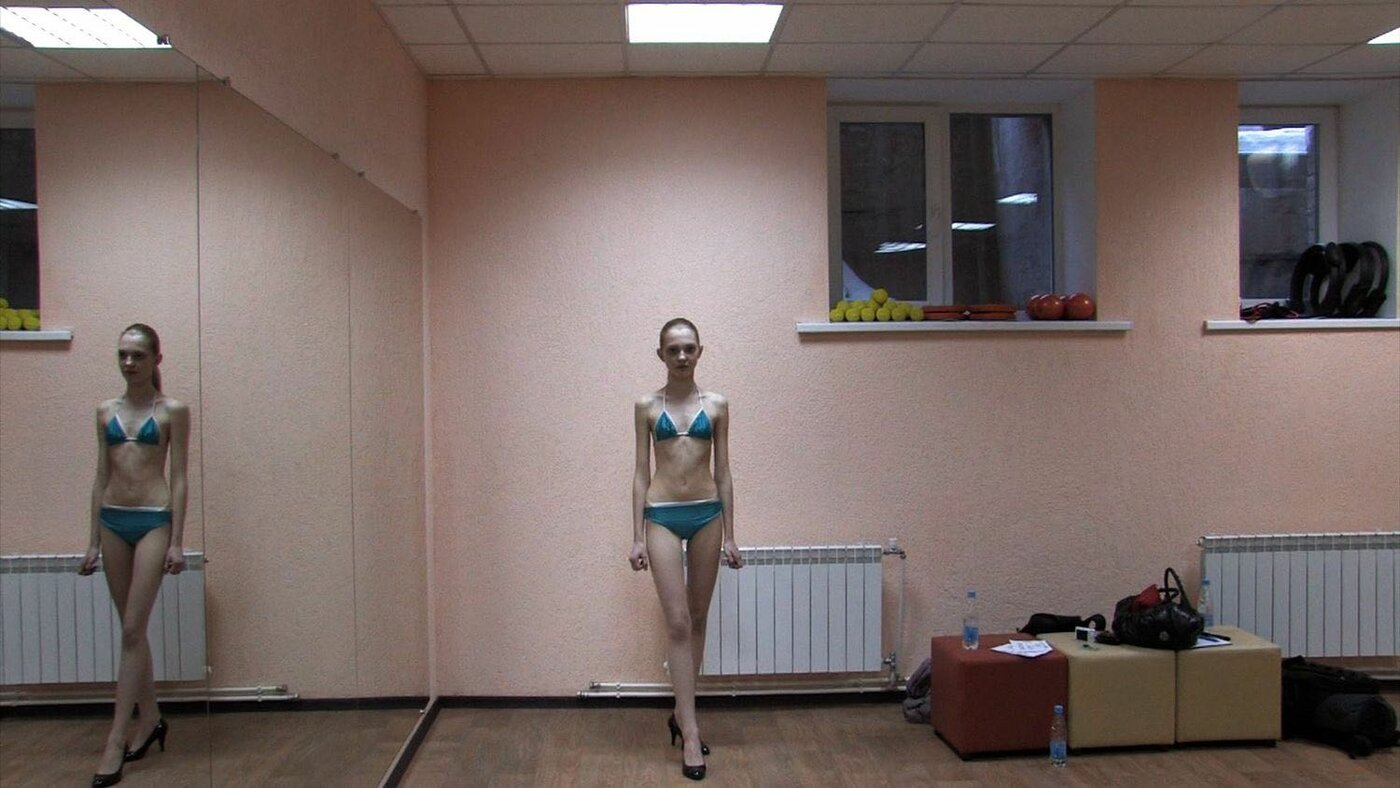
Girl Model (David Redmon and Ashley Sabin, 2011).
I guess that’s how it started. From then on, I kept looking for that girl everywhere. There was a documentary I stumbled upon by accident—Girl Model (2011), directed by David Redmon and Ashley Sabin. It follows a model scout traveling along the Trans-Siberian Railway, stopping in remote villages to cast potential talent for modeling jobs abroad. Eventually, he sends thirteen-year-old Nadya to Japan, where she struggles intensely to fulfill her dream of becoming a model. This film heavily influenced the subject of Toxic. While watching it, I experienced vivid flashbacks of myself as a teenager, endlessly attending open castings in my hometown, hoping for a call to say I’d been chosen.
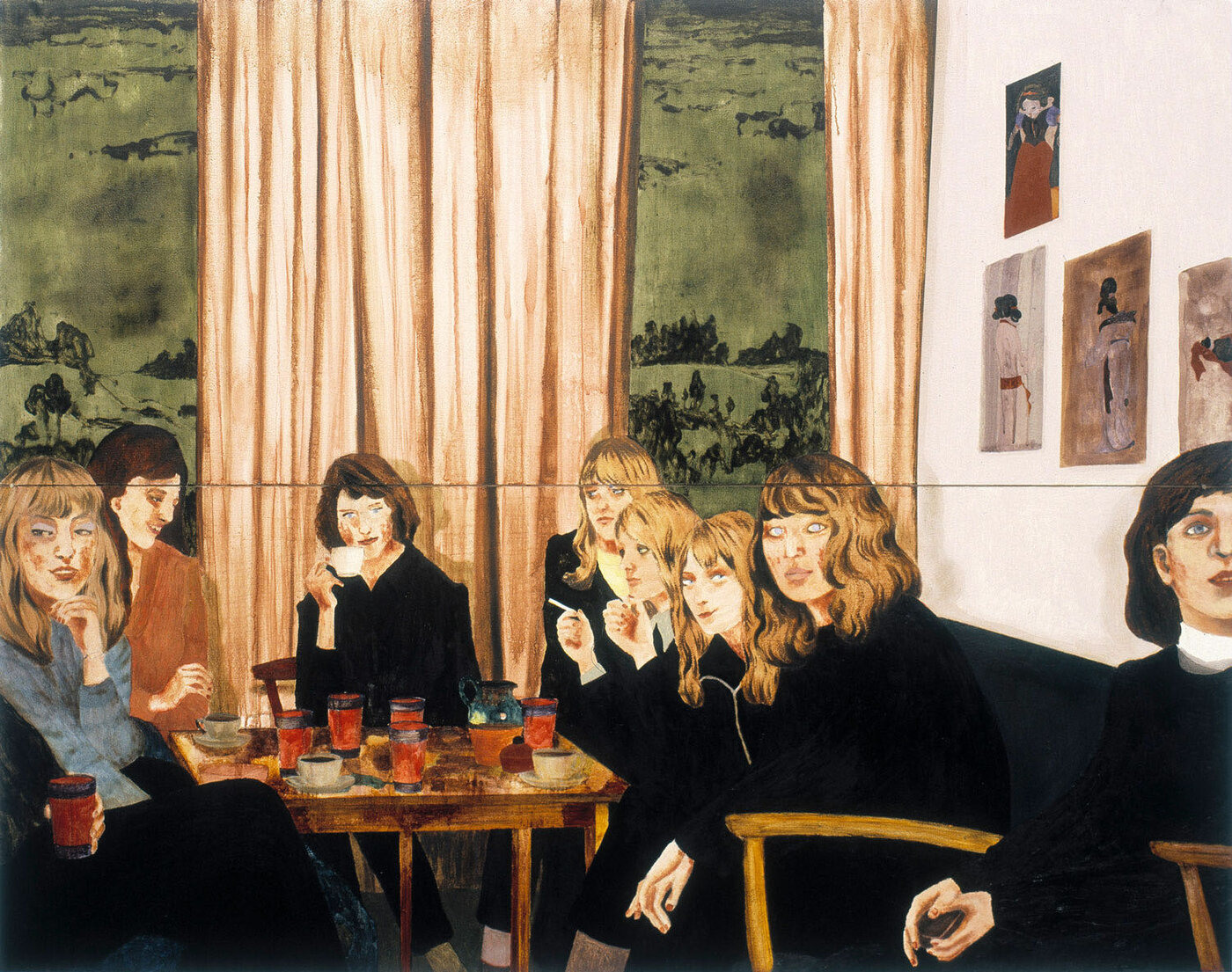
Karin Mamma Andersson, About a Girl (2005).
In 2005, Swedish artist Karin Mamma Andersson painted About a Girl, a portrait of her schoolmates. For me, it depicts the feeling of loneliness while being together, and a sense of secrecy. The painting inspired segments of Toxic, particularly the scenes with the protagonist’s grandmother and her friends, always dressed in dark clothing, performing spiritual rituals in a cramped living room, using the spiritual medium to make sense of the world.
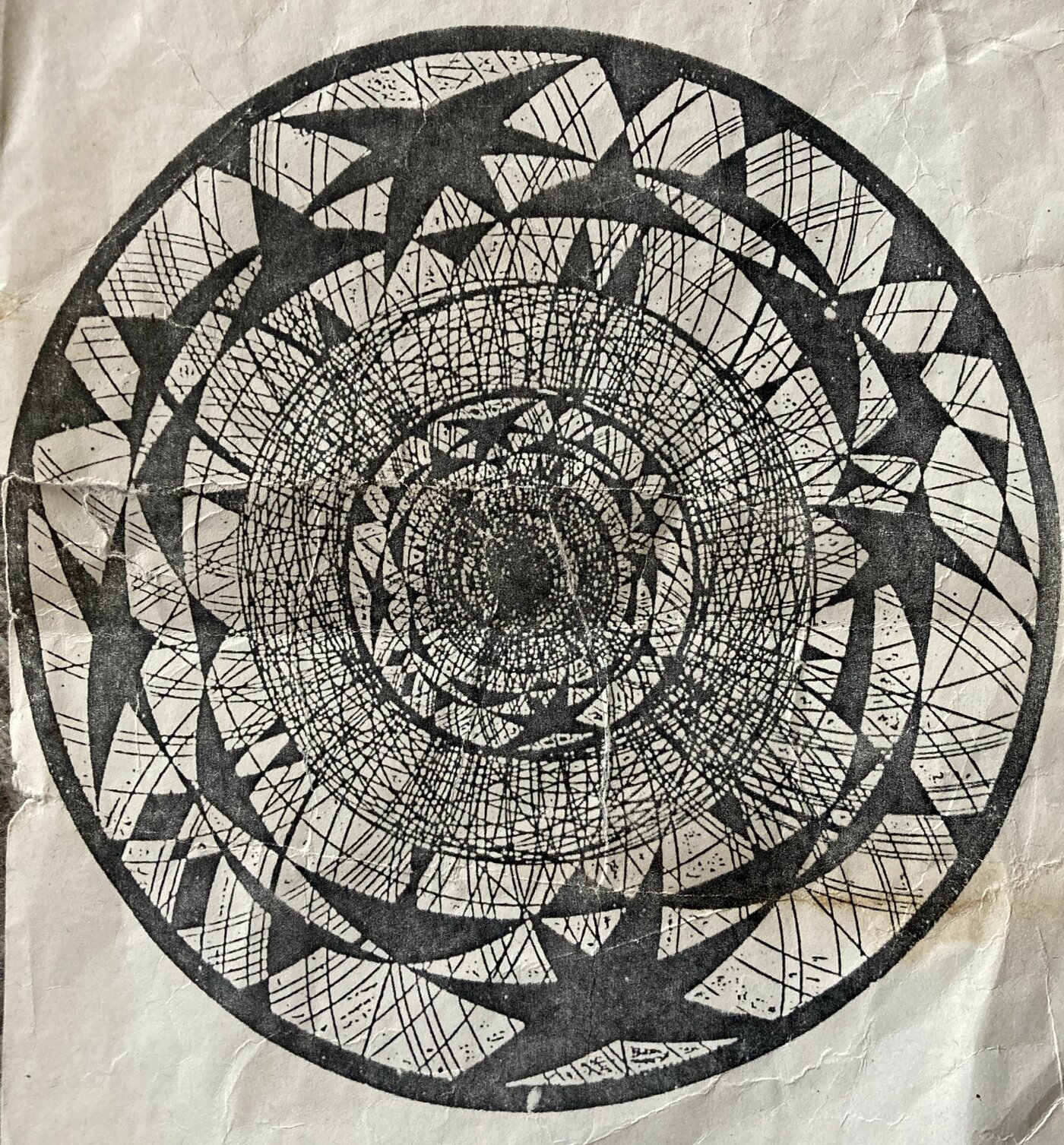
Speaking of spiritual mediums: When I was eleven, I had a number of warts on my fingers. Nothing seemed to help, so my mother hung a printed-out picture of a mandala above my bed. She insisted that if I looked at it before going to sleep, my hands would heal. I used that same picture in the film—it eventually took on a symbolic meaning of transformation. I was lucky my mom still had it.
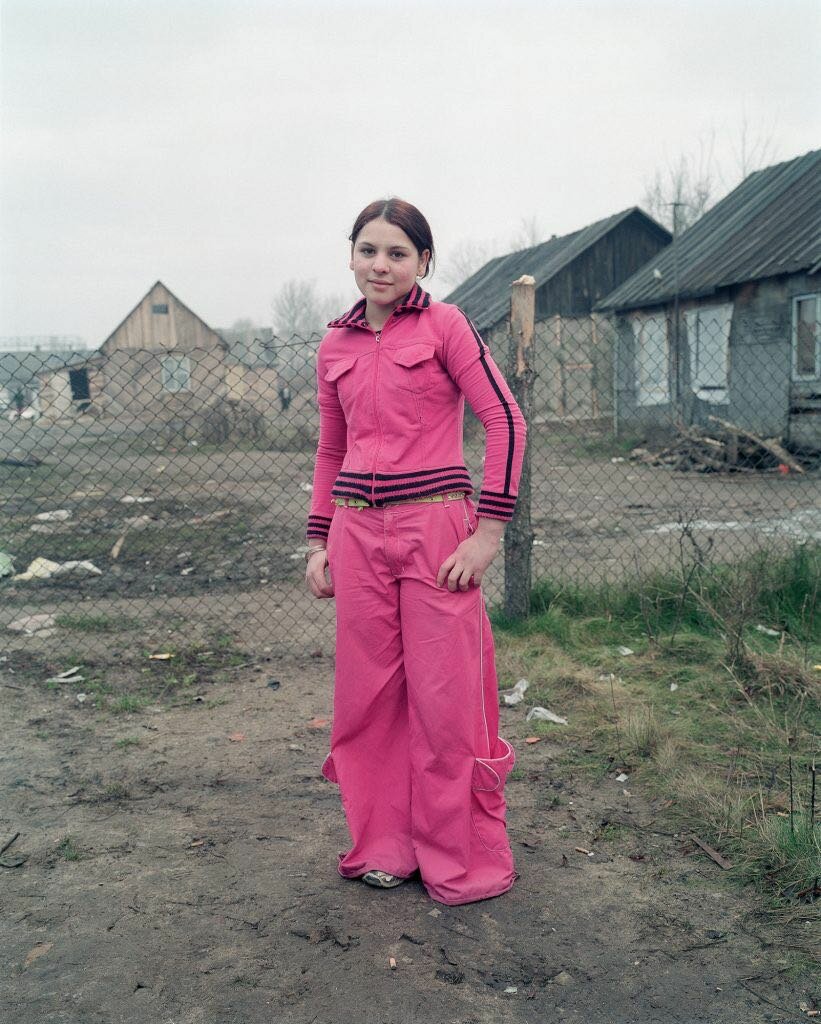
Andrew Miksys, Sonia, Kirtimai (2005).
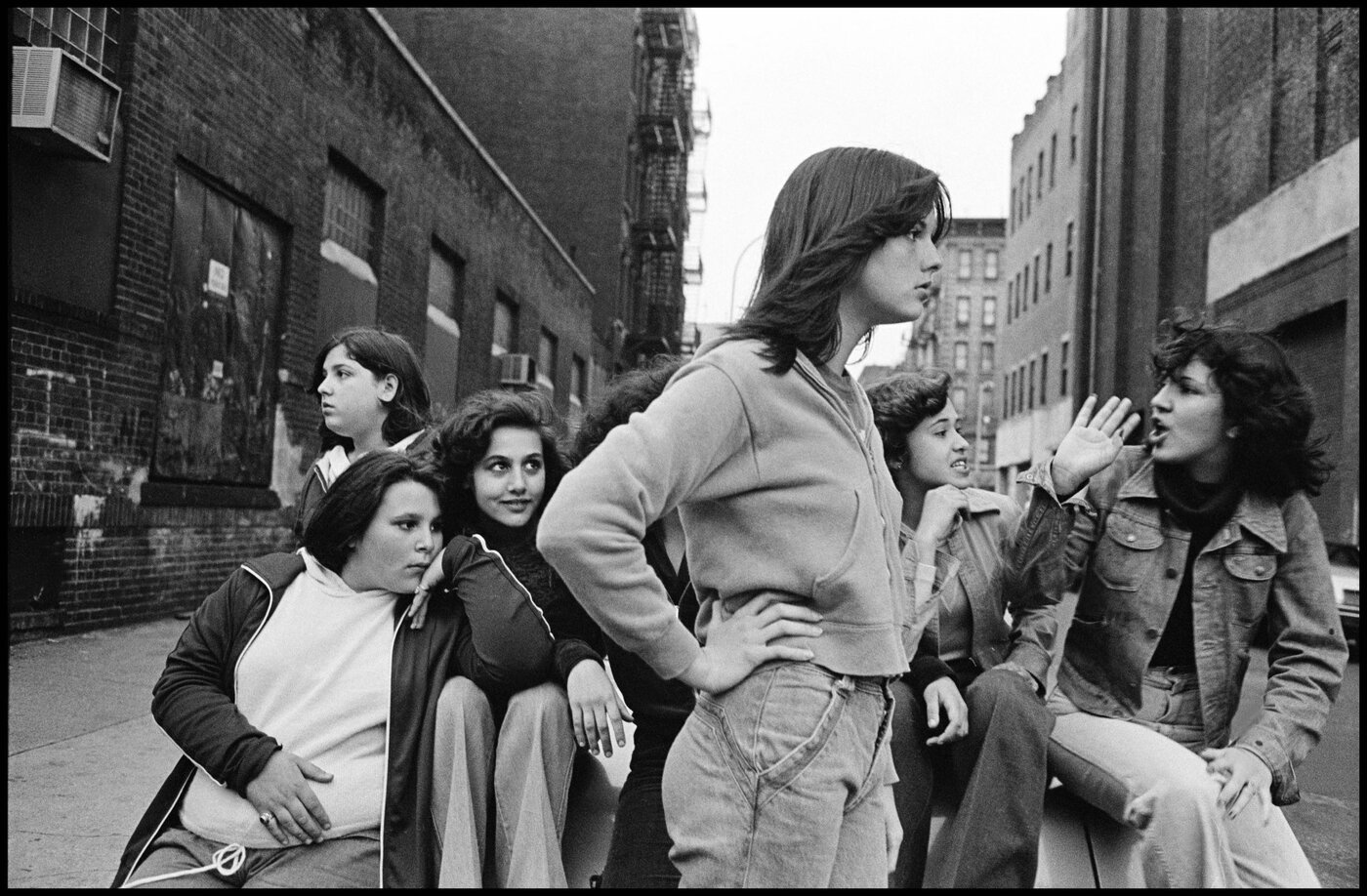
Susan Meiselas, Hanging Out on Baxter Street (1978).
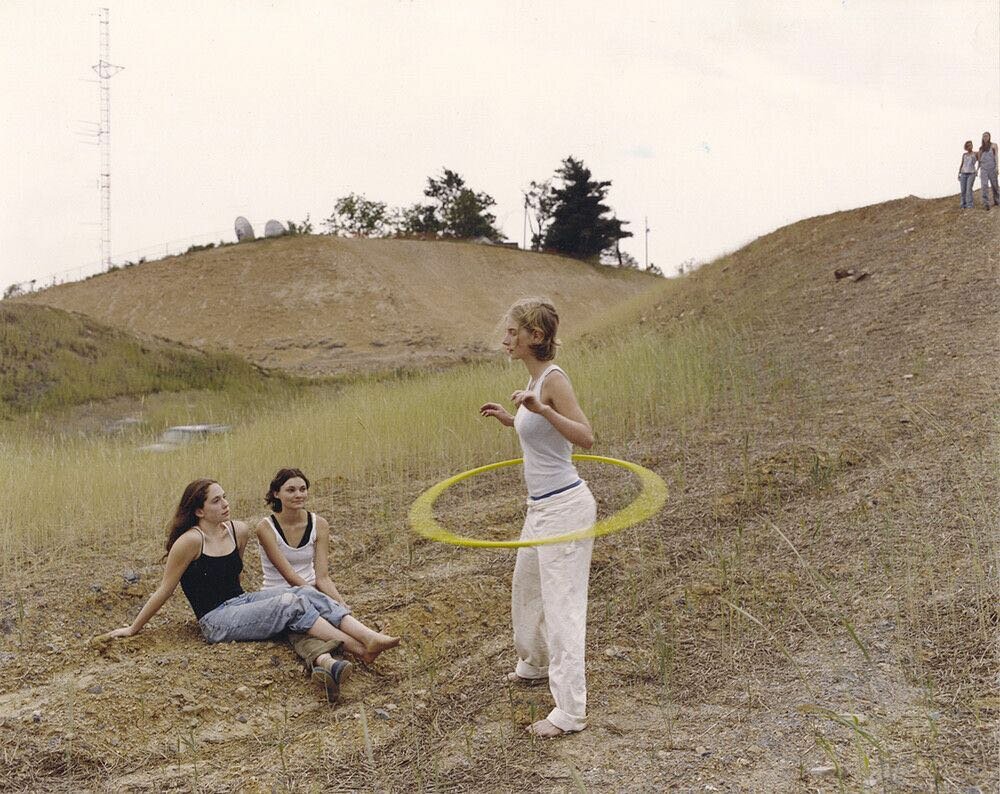
Justine Kurland, Hula Girls (2000).
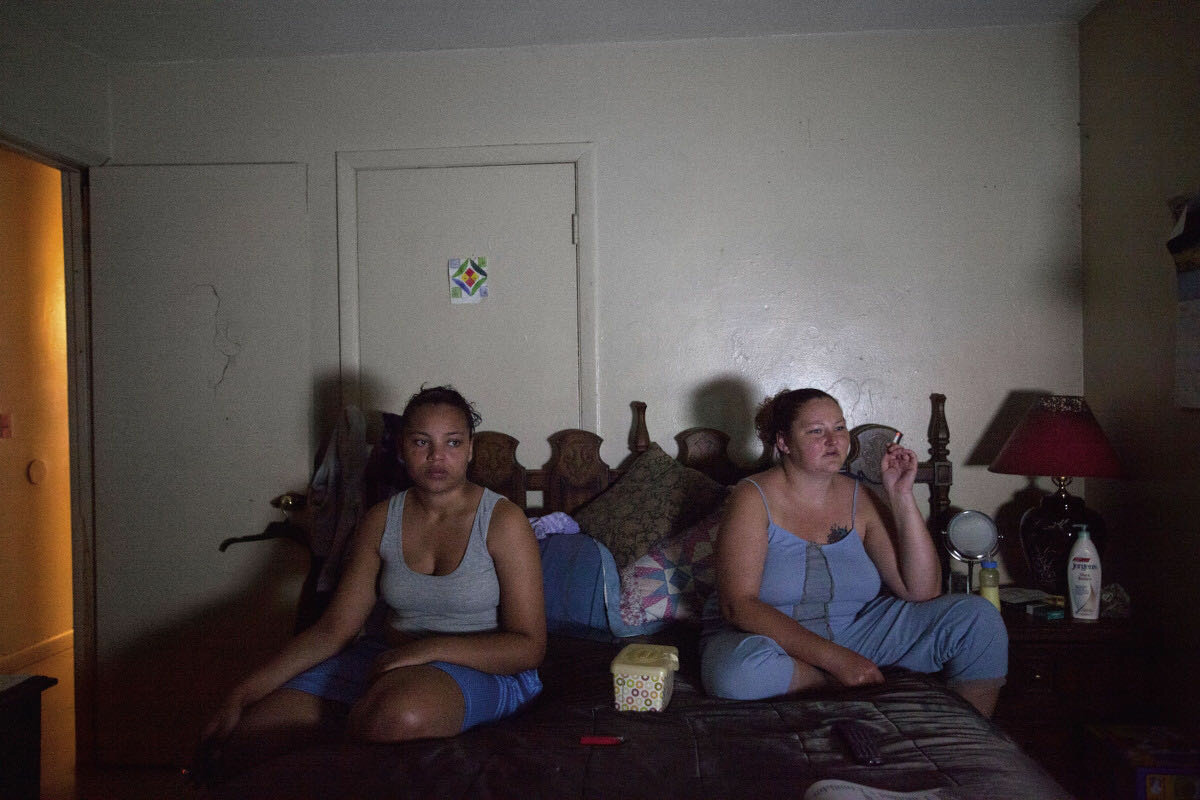
Bieke Depoorter, from In Between (2011).
Throughout the process of making TOXIC, I continued to collect images by various photographers who captured portraits of girls in various environments: Susan Meiselas, Justine Kurland, Bieke Depoorter, Diane Arbus, Brenda Ann Kenneally, and Andrew Miksys, to name just a few.
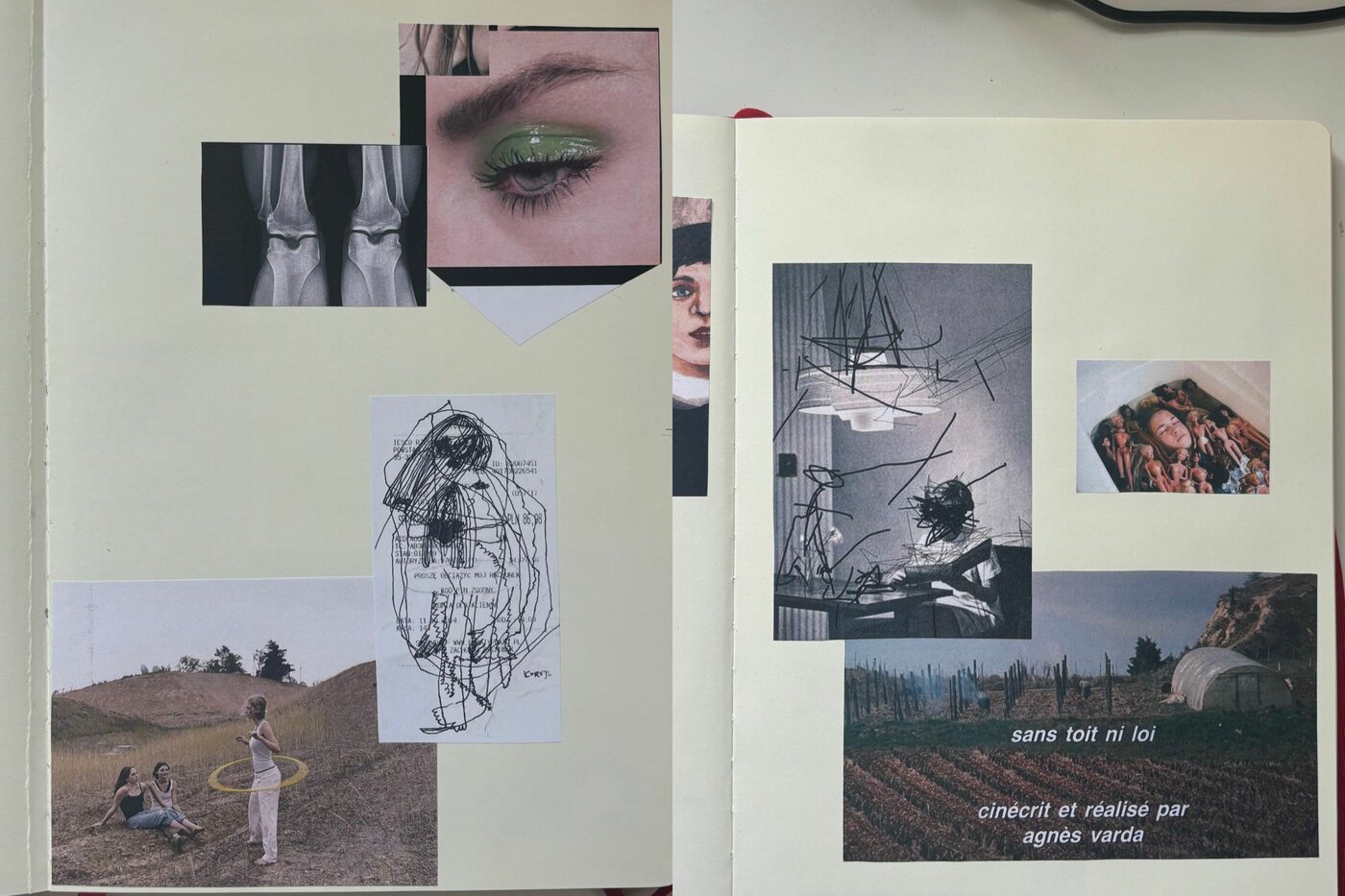
I also printed images and artworks from the internet and created paper mood boards. Making a physical “film book” really helped me visually connect separate images, allowing me to explore how sequences of pictures could form a world of their own—just as we later did in the editing room with the film footage.
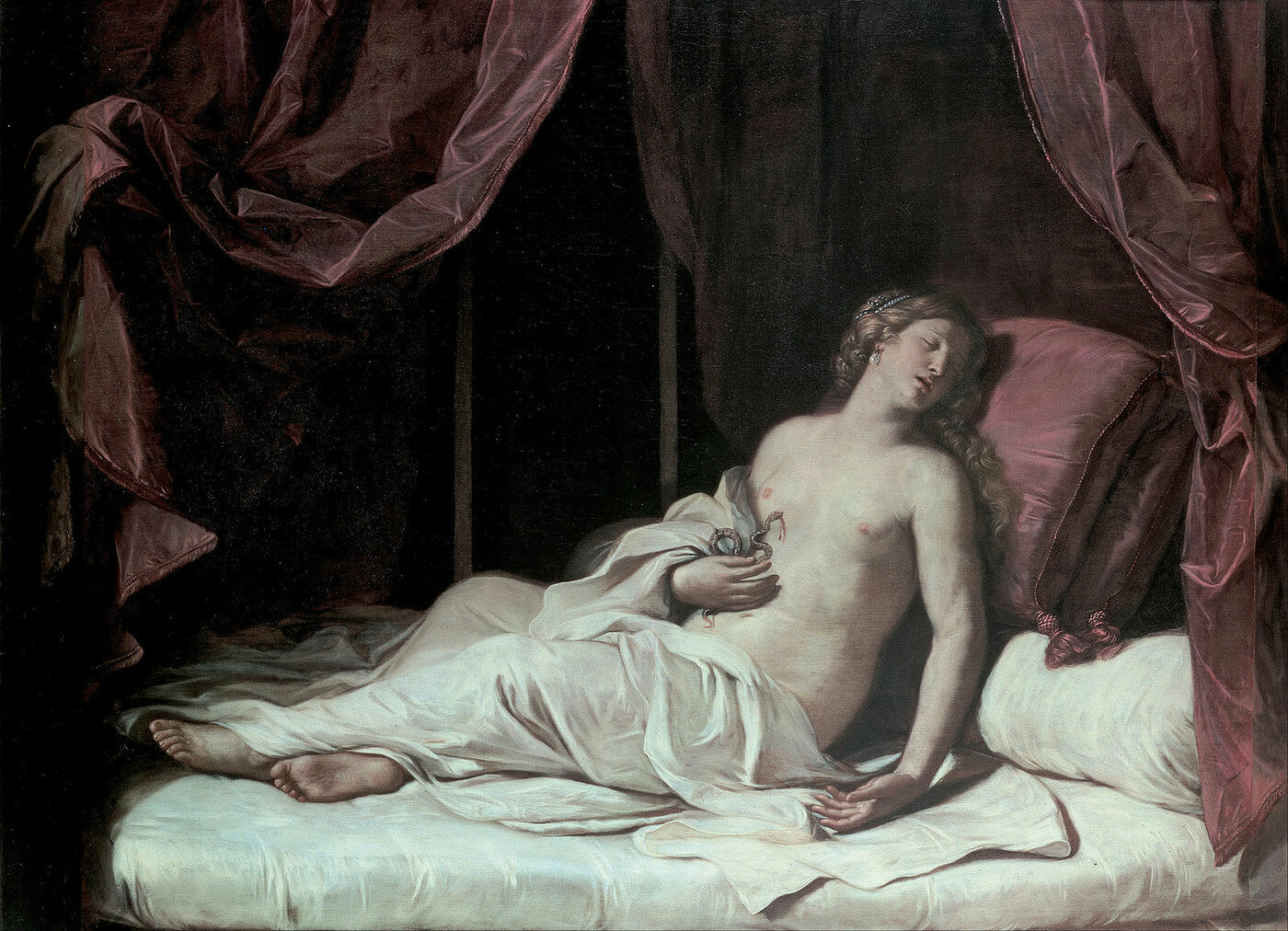
Guercino, The Death of Cleopatra (c. 1648).
Finally, there is a painting hidden in one of the shots in the film—The Death of Cleopatra, by Guercino, which I saw in Genoa, Italy, and which inspired the theme of self-sabotaging one’s body. It depicts Cleopatra allowing a snake to bite her to death. In relation to the theme of a tapeworm in the story of Toxic, it is a very symbolic image. Cleopatra is portrayed as a very pale figure, and the snake is so small that it resembles a worm.