
The Current Debate connects the dots around a topic of the critical conversation.
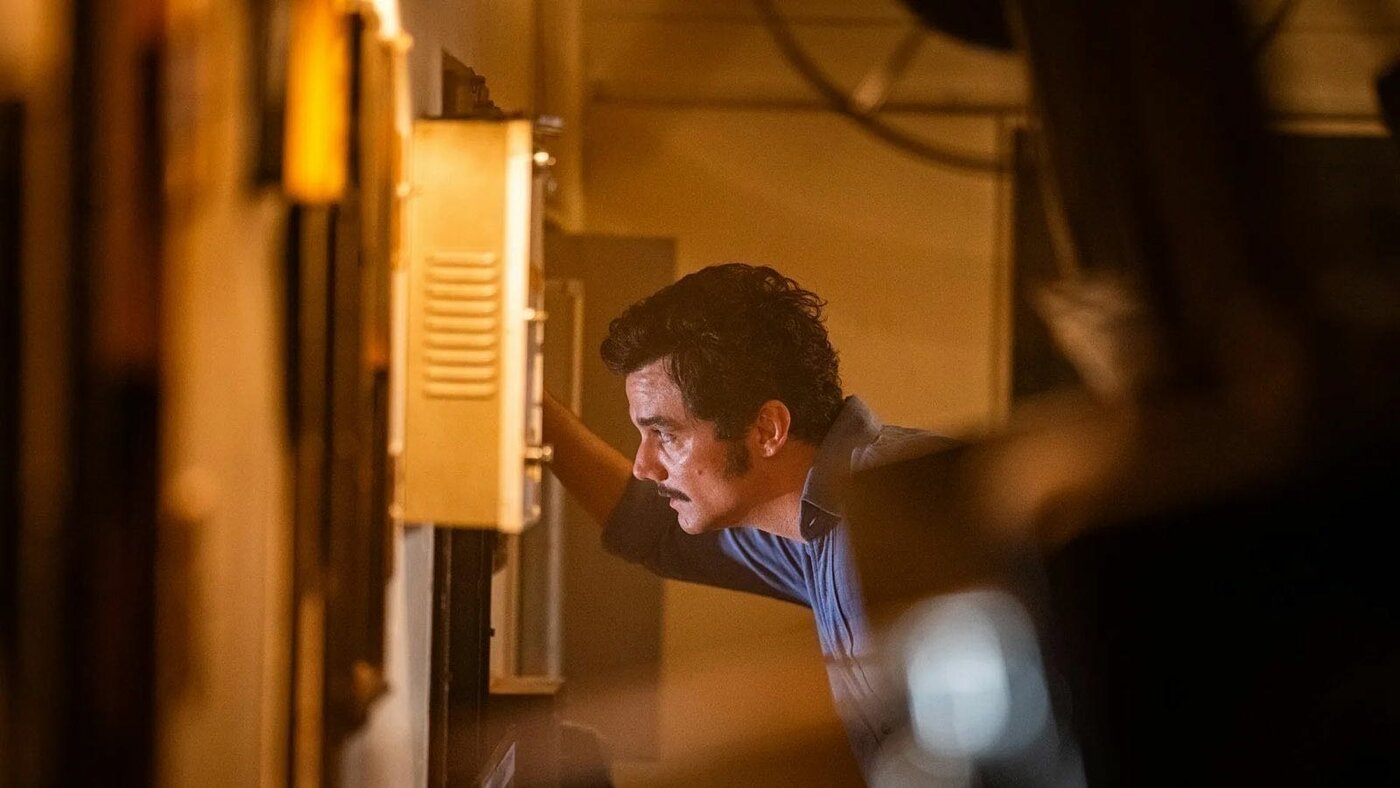
The Secret Agent (Kleber Mendonça Filho, 2025).
Contrary to the enthusiastic predictions of some industry execs, the box office returns of 2025 yielded a depressing picture; instead of marking a much-needed return to moviegoing, they threw the film industry into a panic. Movies came out, but the 20 to 25 percent audience drop metastasizing as the new normal is pretty sobering, as are some of the weekly box-office figures. Last summer was the worst at the North American box office since 1981, Christine Zhang and Brooks Barnes observe at The New York Times; revenue in October—if you exclude the outlier COVID year of 2020—was the lowest in 27 years, per The Hollywood Reporter’s Pamela McClintock. You could chalk this up to several factors, among them the ongoing production delays resulting from the 2023 Hollywood labor strikes—meaning fewer studio projects, and thus fewer titles hitting screens overall—or, again, post-pandemic shifts in moviegoing habits—why bother going to the cinema if I can wait for the film to arrive on VOD?
The harder truth to bear is that many of the year’s most anticipated titles simply did not resonate with audiences. “Not one of the 25 dramas and comedies that movie companies released in North American theaters over the past three months has become a hit, certainly not in the way that Hollywood has historically kept score,” The New York Times’s Brooks Barnes wrote in November. Sure, traditional comedies and dramas have been struggling for a while—lest we forget, even a movie as unanimously acclaimed as last year’s Best Picture–winner Anora (2024) struggled to reach the $20 million mark domestically. But the number of misfires in 2025 was so vast that “it has seriously begun to look like the bottom is falling out,” Owen Gleiberman frets at Variety, “and the failures are so varied that each movie tends to come with its own elaborately tailored excuse.”
After the Hunt? People didn’t want to see an anti-“woke” academic thriller starring Julia Roberts as a pill of a professor. The Smashing Machine? People didn’t want to see Dwayne Johnson in a serious role, looking like the Hulk’s damaged cousin, in a movie that felt like a staged documentary. Springsteen: Deliver Me from Nowhere? People didn’t want to see an “art-house” music biopic about the making of the Boss’s most austere record. And Christy, which is opening to the usual so-so grosses this weekend? People were more interested in scrutinizing Sydney Sweeney’s jeans commercial than they are in seeing her acclaimed performance in a gritty empowering boxing biopic.
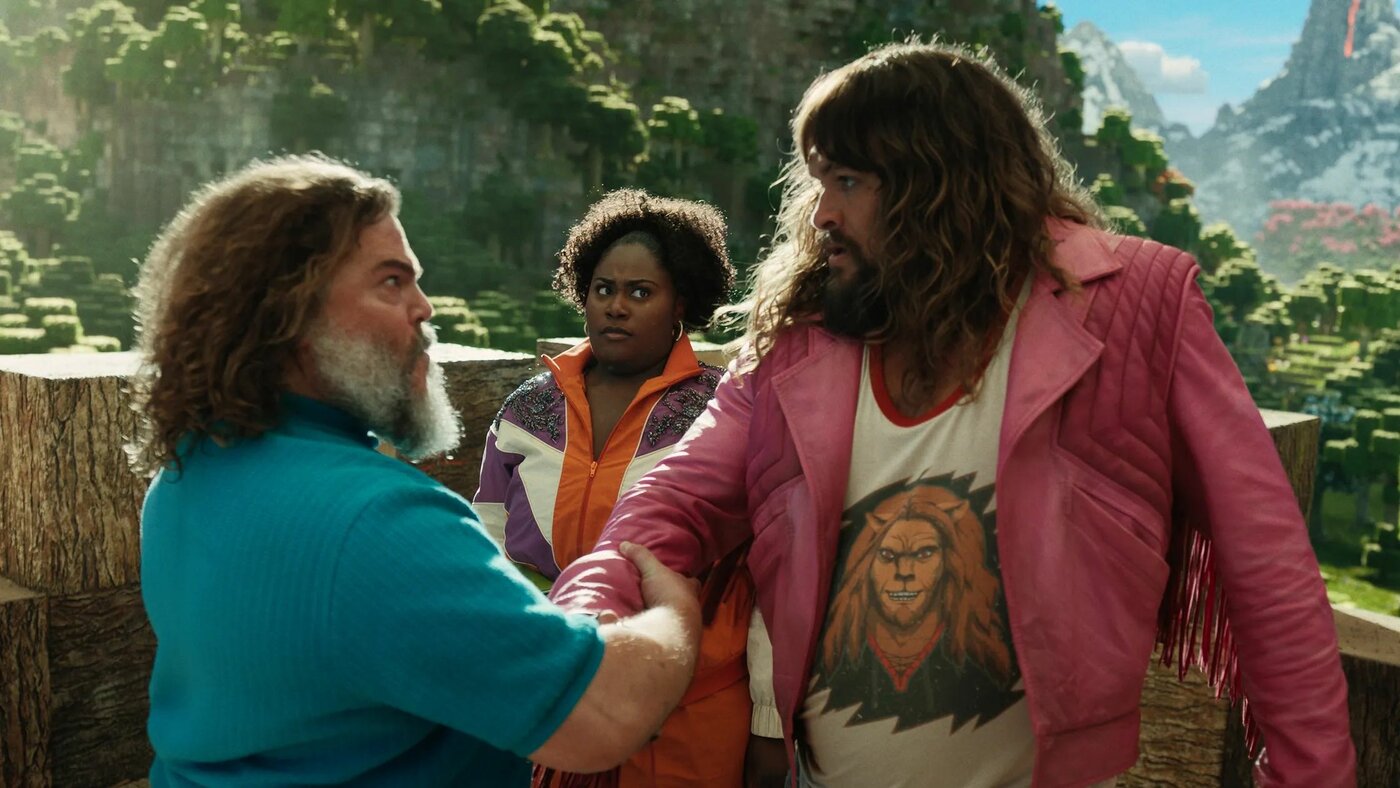
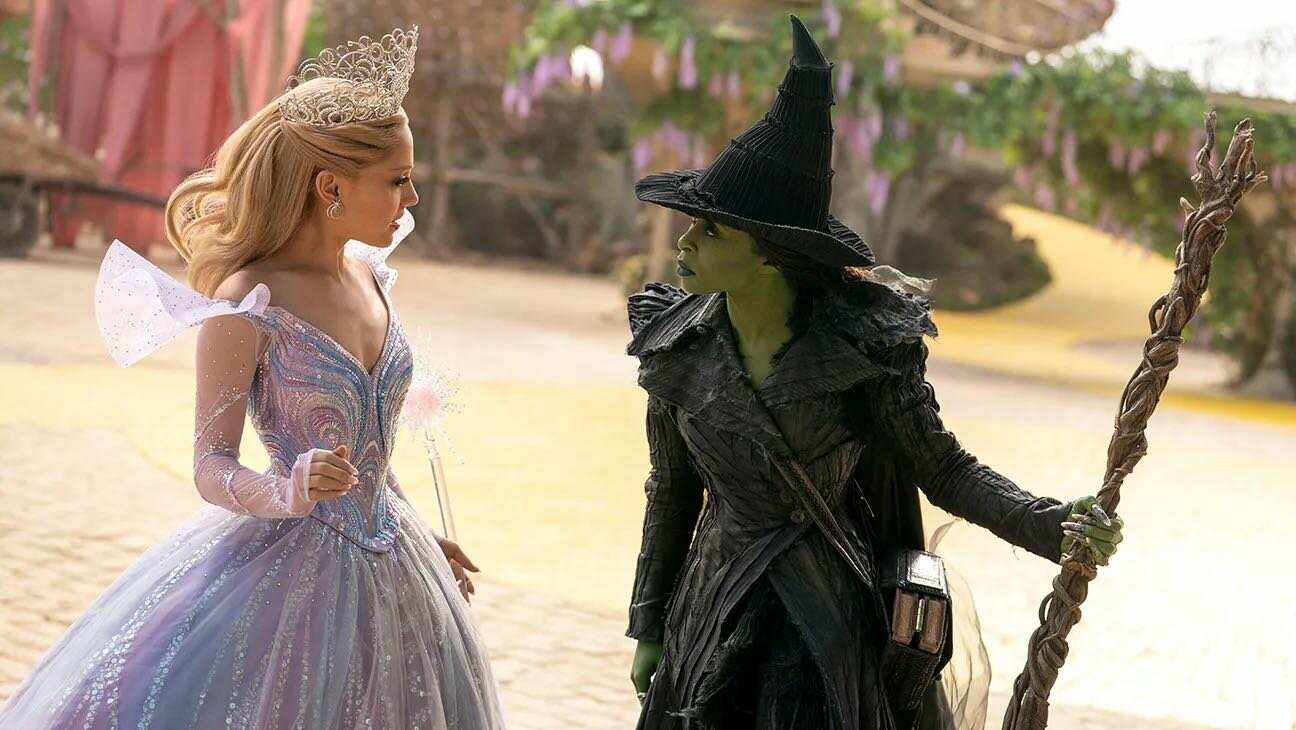
Above: A Minecraft Movie (Jared Hess, 2025). Below: Wicked: For Good (Jon M. Chu, 2025).
And while family films and video game adaptations emerged as the year’s undisputed winners—Lilo & Stitch (all titles 2025 unless otherwise noted), Zootopia 2, and A Minecraft Movie were the three highest-grossing Hollywood productions at the global box office, the first two exceeding and the last tapping out just shy of $1 billion—superhero movies and franchises suffered significant losses. As Nancy Tartaglione notes at Deadline, “2025 was the first year since 2020 that the top 10 worldwide chart did not include a Marvel title.” Again, the so-called superhero fatigue isn’t exactly news, but it seemed to afflict other hallowed IPs. Of the 26 titles that collected more than $20 million in North America last summer, twenty of them were franchise films, as Christina Zhang and Brooks Barnes remark in their New York Times summer box office report, yet more than half of them fared worse than previous installments. “Even though Avatar: Fire and Ash ($760 million and counting), Wicked: For Good ($504 million) and Jurassic World Rebirth ($869 million) will rank among the year’s top-grossing releases, they will fail to match the revenues of previous films in their respective series,” Brent Lang and Rebecca Rubin echo at Variety. For comparison, Fire and Ash wound up grossing an impressive $1.3 billion globally, but that figure pales before the $2.3 billion racked up by its predecessor, The Way of Water (2022); similarly, while the second Wicked nabbed a total of $526 million, that’s not a patch on the first installment, which took home $758 million worldwide. “Clearly,” they add, “the theatrical industry can’t thrive on sequels and spinoffs alone.”
Whether it can exist at all in the aftermath of Netflix’s $82.7 billion bid to acquire Warner Bros. Discovery is a different and far more worrisome dilemma. While Netflix co-CEO Ted Sarandos is yet to secure government approval for the deal, Warner’s board of directors has already formally accepted it (and snubbed a hostile $108.4 billion takeover from Paramount Skydance), raising all kinds of funereal questions as to the future of the theatrical window—the gap between a film’s exclusive release in cinemas and its home-entertainment debut. Traditionally spanning 90 days, those windows began to be trimmed at the height of the pandemic, when Universal and AMC Theatres announced a deal that would allow the largest theater chain in the US to screen the studio’s titles for just seventeen days before those can land on Premium Video on Demand (PVOD). “It’s not like we have this opposition to [putting] movies into theaters,” Sarandos reassured investors and press in early December. “My pushback has been mostly in the fact of the long exclusive windows, which we don’t really think are that consumer friendly.”
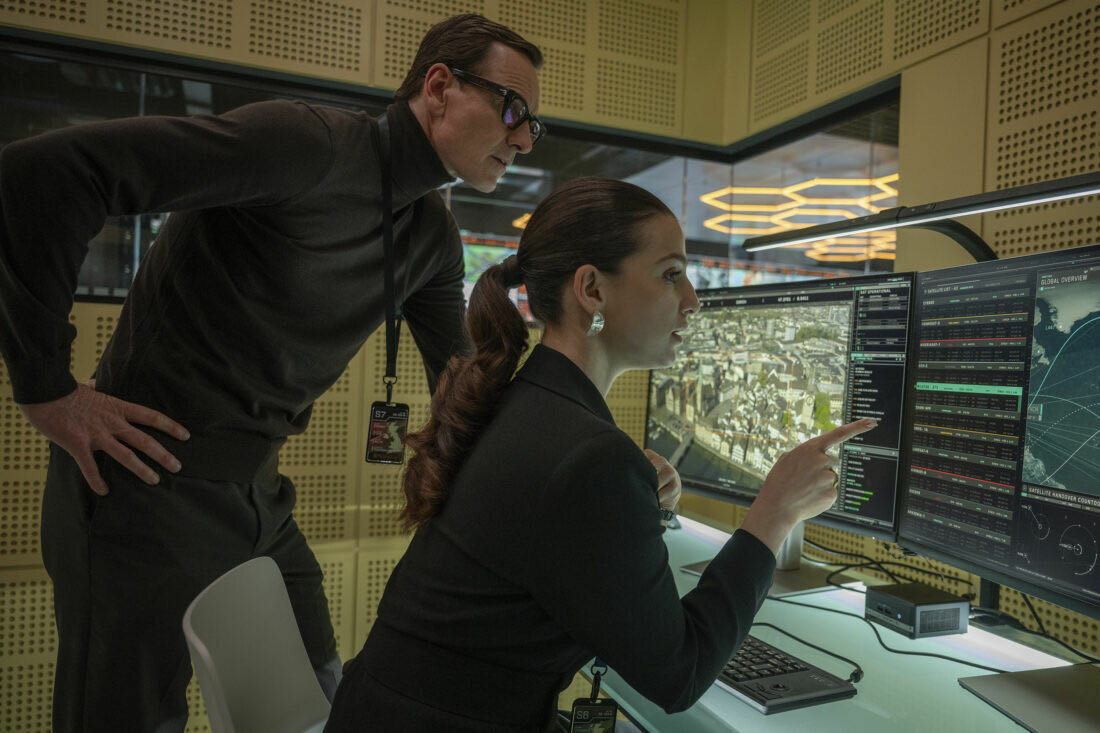
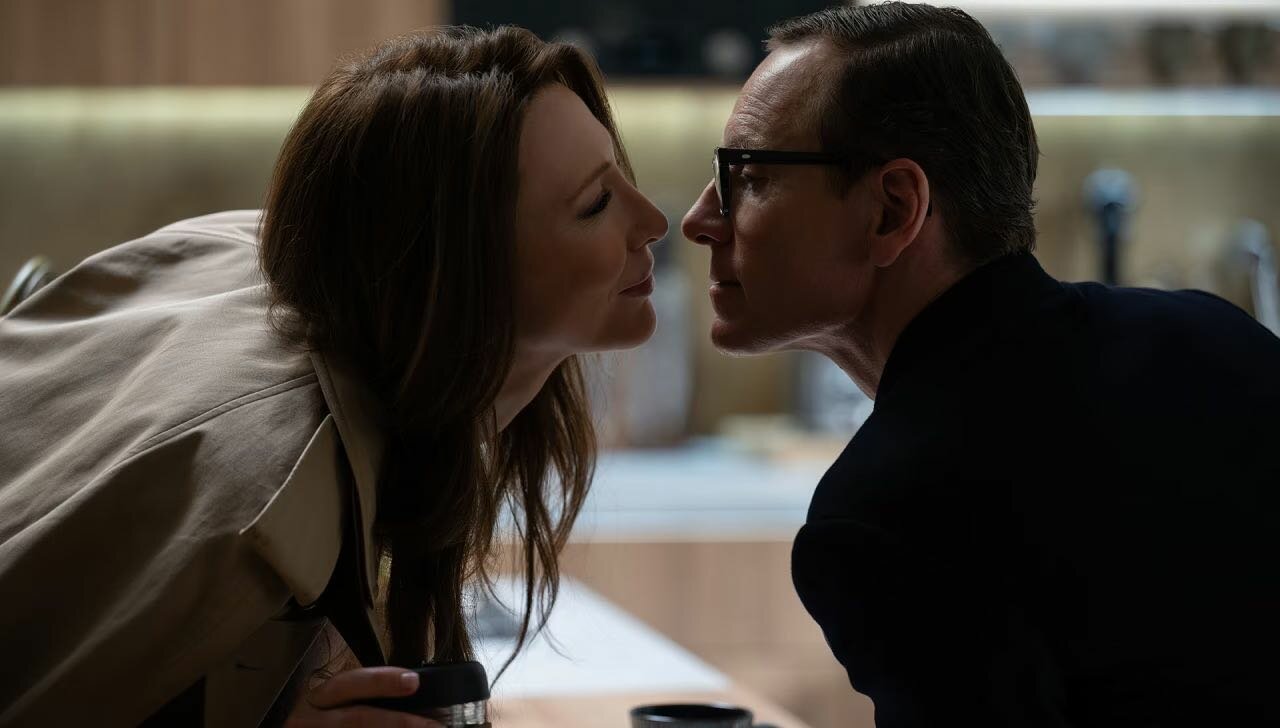
Above and below: Black Bag (Steven Soderbergh, 2025).
But while shrinking theatrical windows further might assuage our thirst for endlessly available, easily accessible content, the long-term effects would be nothing short of catastrophic—for the industry and the medium alike. “Shorter windows lead to the failure of more movies (particularly original and indie titles), which leads to cinemas closing and rising average ticket prices,” writes Anthony D’Alessandro at Deadline (it’s worth noting that the general price of cinema admission, per analytics platform EntTelligence, rose to $13.29 in 2025, a 5.7 percent increase from 2024). For a great case study in that box-office malaise, look no further than Steven Soderbergh’s spy thriller Black Bag, a movie that premiered last spring to ecstatic reviews—and wound up on several top tens come December—but came and went in theaters almost unnoticed, bagging $43.9 million worldwide against an estimated $50 million budget. “Practically speaking,” the filmmaker told The Independent’s Adam White, “if you make a lot of movies that people don’t go see, you don’t get to make a lot of movies. And right now I really need to think about what kinds of movies I’ll make going forward. I’m not interested in continually working on things where, if it comes up in conversation, people go… ‘oh, did that come out?’”
Soderbergh’s concerns point to a deeper, darker truth: It’s not just that smart films like Black Bag are struggling to get mainstream traction—it’s that more broadly, and notwithstanding a few outliers like Sinners, Marty Supreme, or One Battle After Another, movies don’t seem to imprint themselves on culture in the way they once did, and are now driving the conversation less and less. And while the Netflix-Warner Bros. merger will only consolidate the monopoly of massive franchises over theaters, shorter windows will continue flooding an already overcrowded streaming landscape, a scenario that means idiosyncratic works—films made by discerning artists as opposed to focus groups and committees—are more likely to get lost in the noise, making it hard to find an audience, much less leave a mark.
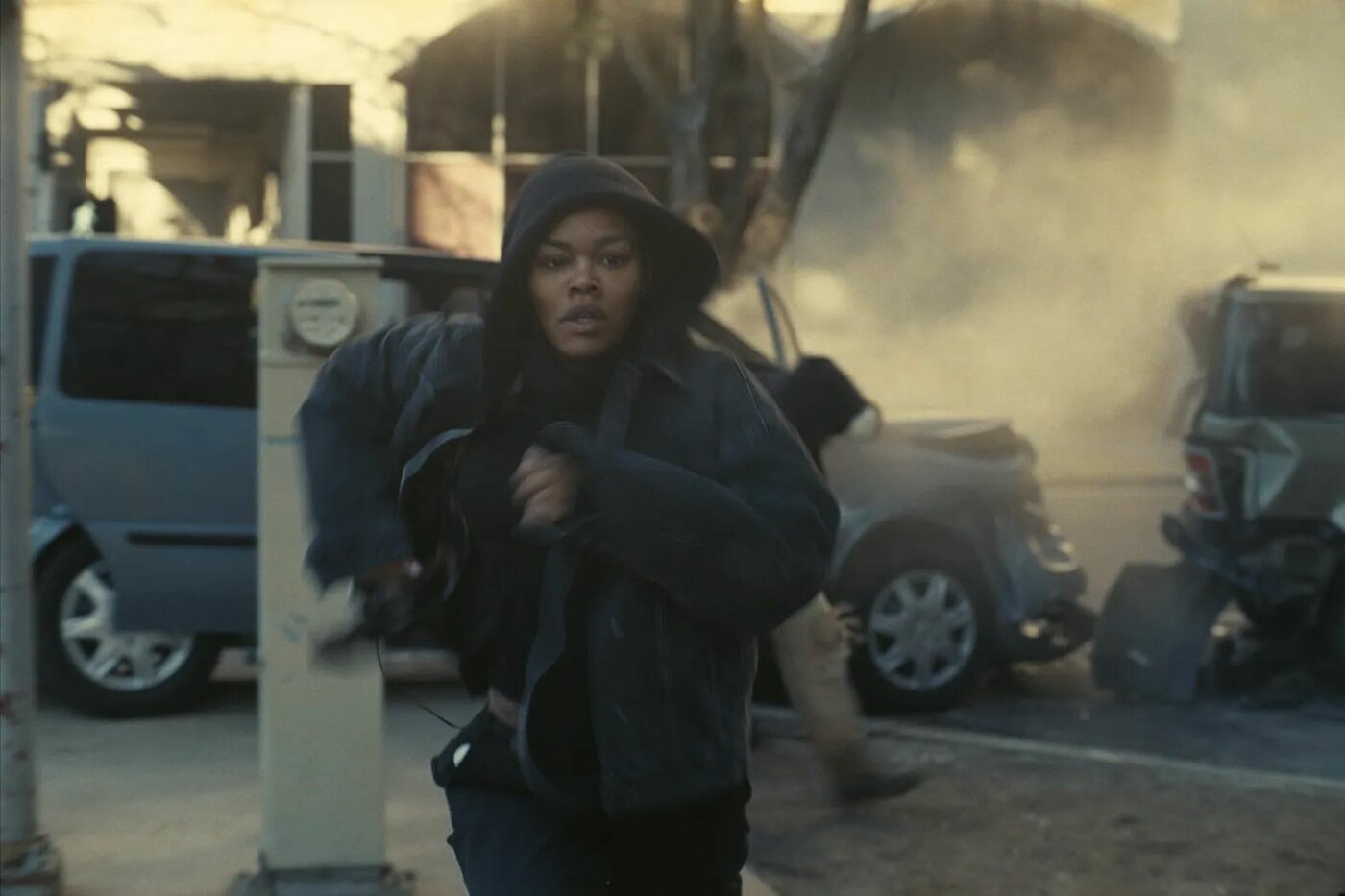

Above: One Battle After Another (Paul Thomas Anderson, 2025). Below: Sirât (Oliver Laxe, 2025).
This is why year-end lists—imperfect and subjective as they might be—are so essential. At their best and most idiosyncratic, they remain a powerful antidote to homogeneity, offering welcome invitations to venture beyond unimaginative recommendations dished out by algorithms and embrace films that would otherwise drown in a maelstrom of content. As catastrophic as 2025 might have been for the industry, “it’s worth repeating (again!) that the business, and that avatar known as Hollywood, isn’t synonymous with cinema,” Manohla Dargis argues at The New York Times. For all the legitimate alarms, “this still turned out to be an exceptional year for movies,” David Rooney comments at The Hollywood Reporter, “and the success of audacious, highly original entertainment like Sinners or One Battle After Another (or, fingers crossed, the upcoming Marty Supreme) lets us hope we’re not yet condemned to be stuck in an endless loop of the same regurgitated IP” (for the record, Josh Safdie’s ping-pong picaresque, starring Timothée Chalamet, has since nabbed over $100 million worldwide, including $80 million in the US alone, making it A24’s highest grossing title domestically). And if this was a year “in which ‘mainstream’ cinema felt relevant and boundless again,” as David Ehrlich suggests at IndieWire, that might be because several of 2025’s finest “brought old-fashioned, sensory spectacle back to the movies,” as Richard Brody contends at The New Yorker:
Movies as immediately eye-catching attractions, built to thrill with size and scale and scope, follow in a venerable tradition of enticing viewers to movie theatres for experiences inaccessible via home viewing. In this regard, the makers of some of the year’s most substantial films are reproducing razzle-dazzle strategies that, in recent times, have largely been the province of commerce-striving blockbusters. […] Many of the year’s best movies, even ones made by streaming services and given only nominal theatrical releases—such as Hedda and Highest 2 Lowest—share the spectacular dimension. What the immensity and the sensory intensity of these movies evoke is something of a paradox: not fantasy or distraction but a confrontation with the power dynamics of public life.

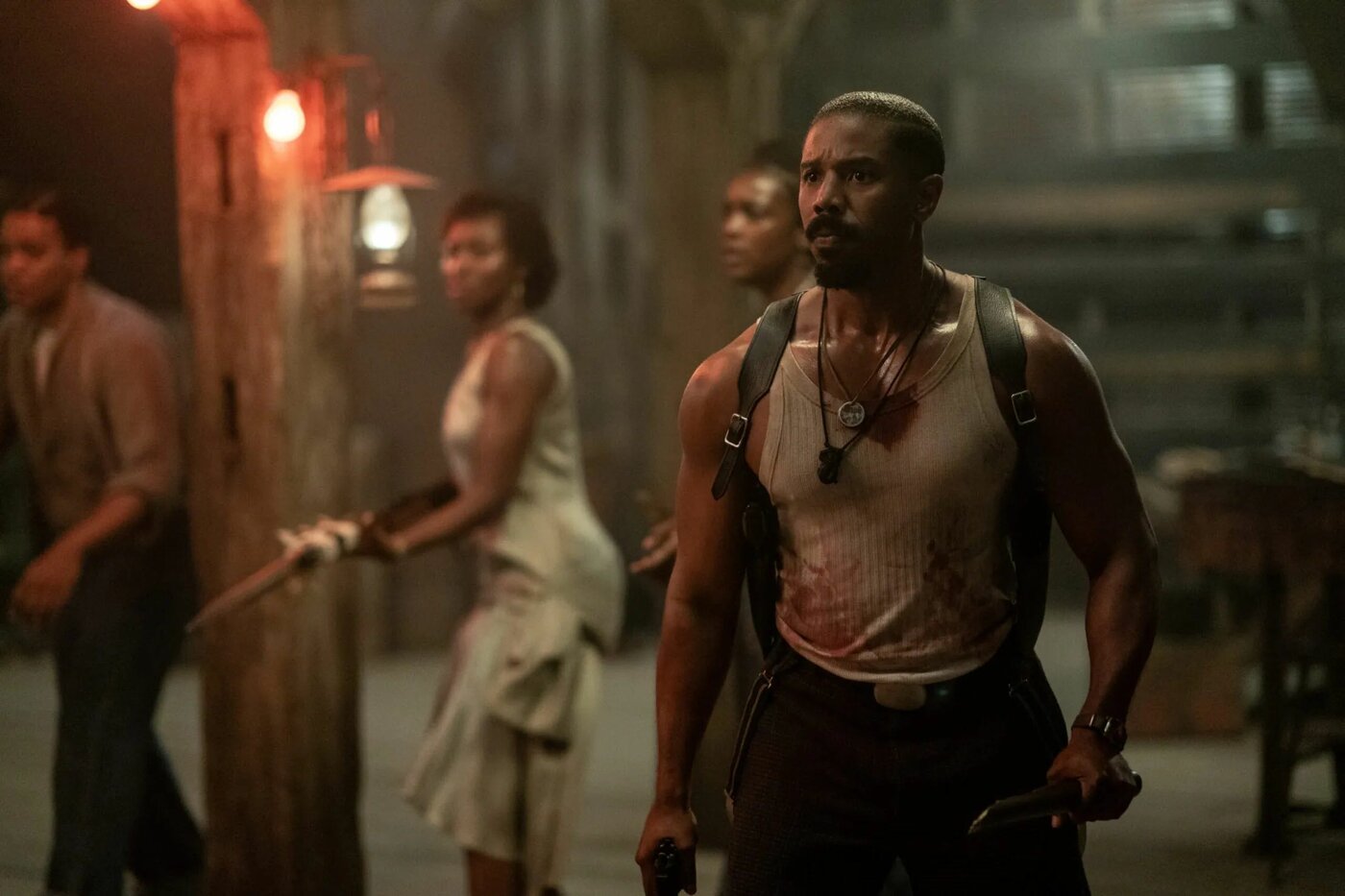
Above: It Was Just an Accident (Jafar Panahi, 2025). Below: Sinners (Ryan Coogler, 2025).
That pugilistic relationship with power and those who wield it was arguably the year’s most significant thematic through line. An overarching majority of 2025’s finest “feature resourceful (if not always upstanding) protagonists trying their best to get away with something in the shadows of institutional or political power,” Adam Nayman remarks at The Ringer. “It’s as good a metaphor as any for the challenges facing filmmakers, in the U.S. or elsewhere, who are attempting to craft real, resonant movies in a moment when it seems like fewer people than ever can (or want to) tell the difference between cinema and slop—and when calling attention to these collapsing standards is seen as precious, pretentious, or worse.” It stands to reason that so many of these entries should feel plucked out of the news cycle. “What does it say about where my brain was at this year that nearly every movie seemed like a movie specifically of and for its moment?” Dana Stevens wonders at Slate, introducing the online magazine’s annual, indispensable Movie Club. “If there was one situation this year’s movie protagonists consistently found themselves in, it was being stuck in an intolerable reality and devising ways, whether individually or as a collective, to rebel, escape, and start again.”
Such seditious spirit pulsed through titles as disparate as Jafar Panahi’s Palme d’Or–winning It Was Just an Accident, in which a group of Iranian former political prisoners debate the ethical costs of vengeance; Kleber Mendonça Filho’s The Secret Agent, where political refugees in 1970s Brazil try to hide from and resist the country’s military dictatorship; or Julia Loktev’s magisterial My Undesirable Friends: Part I - Last Air in Moscow (2024), a thrilling portrait of a few journalists trying to work—and survive—in Putin’s Russia. There were outsiders on the lam in films as widely different as Kelly Reichardt’s The Mastermind, an anti-heist film set in the disillusioned ’70s, and Oliver Laxe’s Sirât, a dystopian, techno-fueled race through the desert with echoes of Henri-Georges Clouzot’s The Wages of Fear (1953). Opposition to authoritarianism also anchored such disparate works as Ryan Coogler’s extraordinary Sinners, about a Mississippi juke joint haunted by banjo-toting vampires, Mascha Schilinski’s Sound of Falling, a similarly spectral portrait of a farmhouse in Eastern Germany and the four generations of women who lived there, and Mona Fastvold’s The Testament of Ann Lee, a grandiose musical biopic of the eighteenth-century English missionary who founded the Shakers and brought the religious sect to New England.
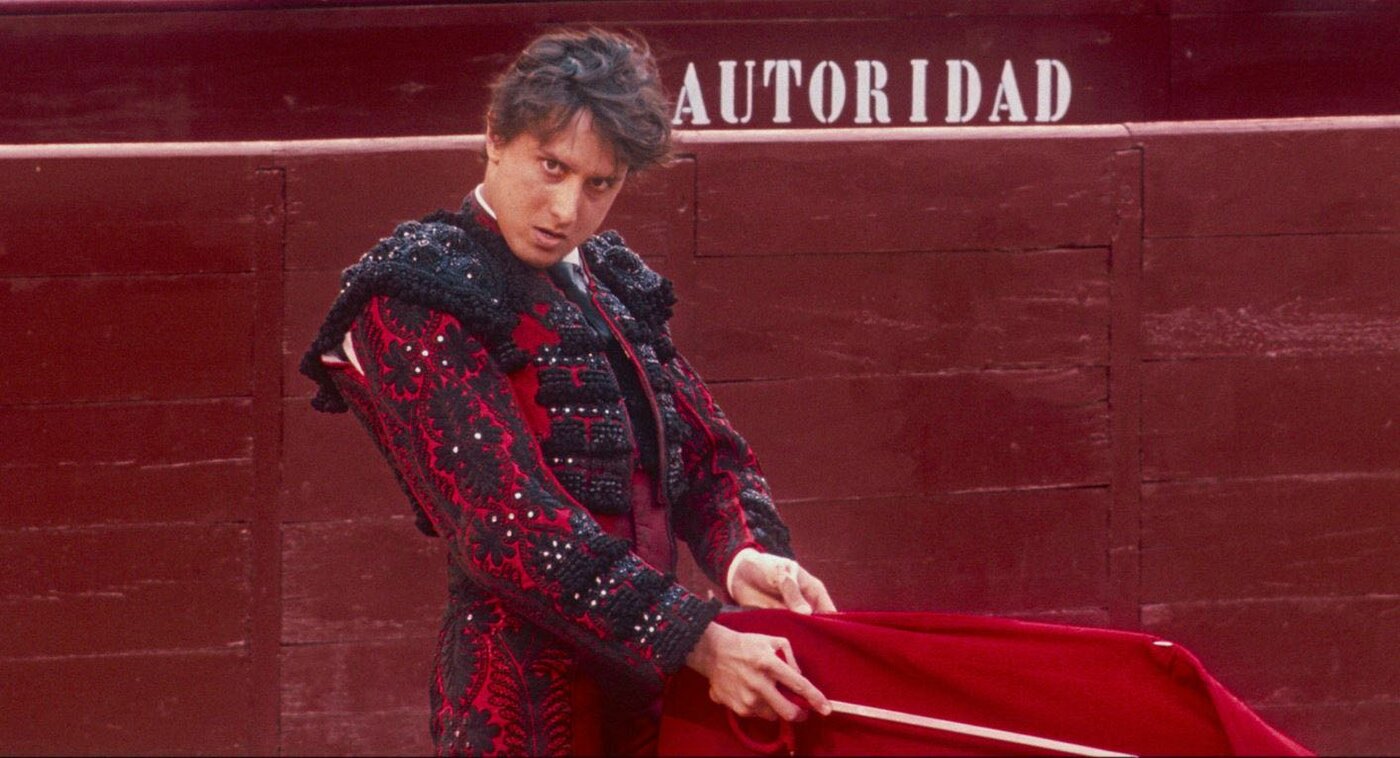
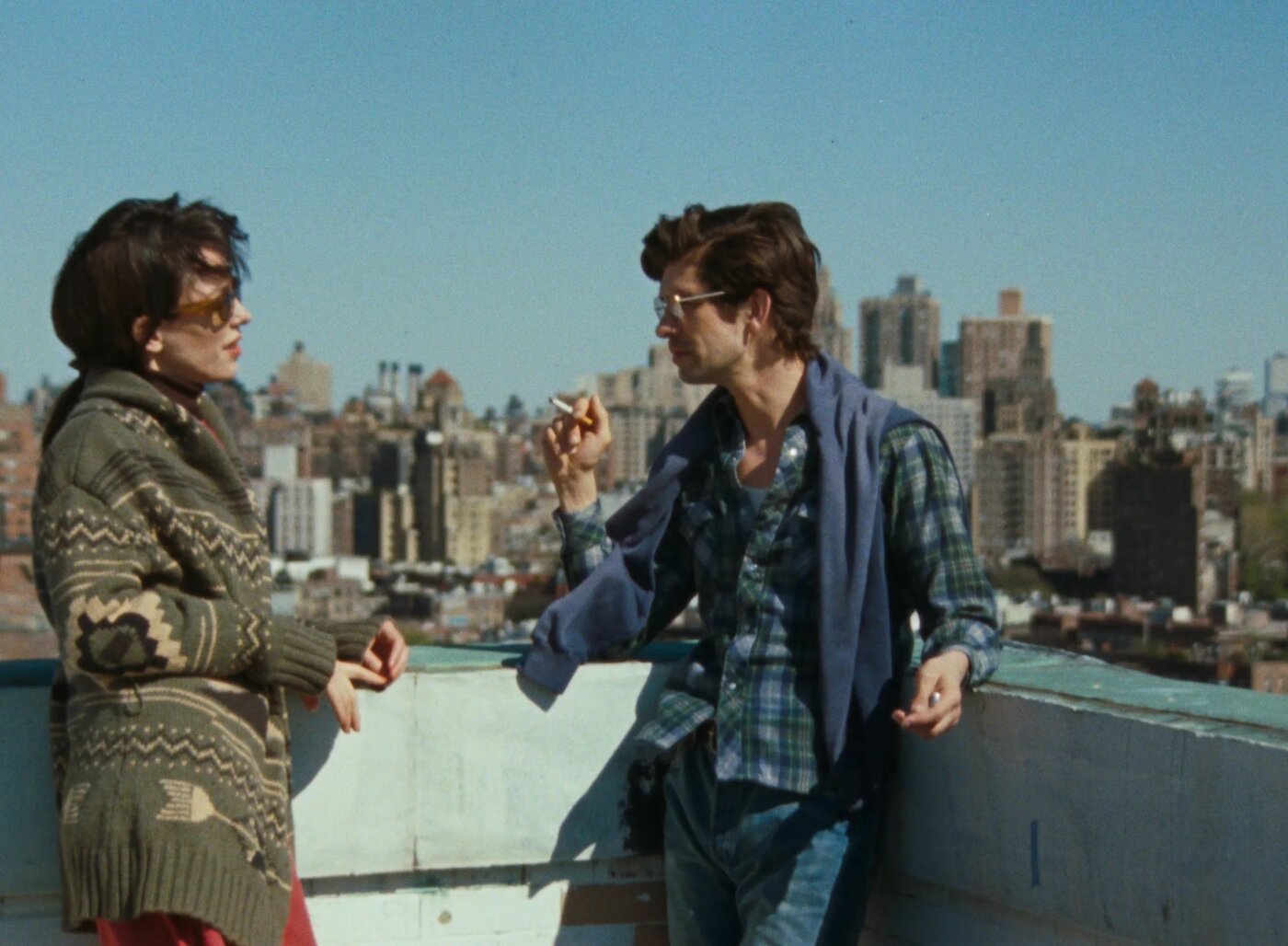
Above: Afternoons of Solitude (Albert Serra, 2024). Below: Peter Hujar's Day (Ira Sachs, 2025).
But nothing seemed to crystallize our moment better than Paul Thomas Anderson’s One Battle After Another, a state of the union film that loosely borrowed from Thomas Pynchon’s paean to the sixties—his 1990 novel Vineland—to sponge up something of our very bleak present. “It’s hard to remember a year when there was such consensus over the top ranked film,” reflect the editors at Reverse Shot, one of many outlets—together with The New York Times, Variety, Film Comment, Little White Lies, IndieWire, The New Yorker, and Vulture, among others—that named it 2025’s best. Centered on a former activist (Leonardo DiCaprio) confronting a fascist government and struggling to pass on whatever’s left of his radical legacy to his daughter (Chase Infiniti), One Battle felt unnervingly plugged into the horrors of Trump’s second term, all while reiterating the importance of solidarity as the sole way to avoid societal collapse. But though the film’s near-unanimous acclaim makes perfect sense, I can’t help but find its ubiquity atop these lists a little problematic. Can lists so similar ever serve as algorithm disrupters?
As usual, consensus around the same usual suspects threatened to eclipse more left-field picks, but unexpected standouts did crop up here and there, and individual ballots revealed more idiosyncrasies than the collective love for One Battle might suggest. Ira Sachs’s Peter Hujar’s Day, a verbatim recreation of a 1974 chat between the titular photographer and journalist Linda Rosenkrantz, never strays beyond the confines of her Manhattan flat, yet the city feels so tangible and vivid “that for a moment,” Bilge Ebiri writes at Vulture, “we might wonder if we’ve achieved telepathy.” Kiyoshi Kurosawa’s Cloud (2024), about an internet reseller hunted by the clients he’s scammed, feels like “a conceptual sequel of sorts to his millennial masterpiece Pulse [2001],” notes Adam Nayman at The Ringer, in that “both movies deal with the idea of the internet as a portal for dark forces,” while Philippe Lesage’s cabin-in-the-woods drama Who by Fire (2024), per Justin Chang at Slate, is further evidence that “the brilliant Québécois filmmaker […] is one of the most inexplicably well-kept secrets on the international film scene.” Beyond the anglophone critical sphere, Cahiers du Cinéma elected Albert Serra’s astonishing bullfighting doc Afternoons of Solitude (2024) as the year’s best—and, in my book, one of the decade’s most essential, alongside Alain Guiraudie’s Misericordia and Laura Citarella’s Trenque Lauquen, the magazine’s top films in 2024 and 2023 respectively. For those looking for more eclectic polls still, over at Filmmaker Pedro Emilio Segura Bernal has once again solicited votes from some of the year’s most prominent directors; aside from Afternoons of Solitude and The Secret Agent, the top films across the vast poll include Alexandre Koberidze’s Dry Leaf, a road trip set in rural Georgia and shot entirely on a 2008 Sony Ericsson mobile phone, and Pedro Pinho’s I Only Rest in the Storm, which tracks a Portuguese engineer on a journey of self-discovery across Guinea-Bissau.
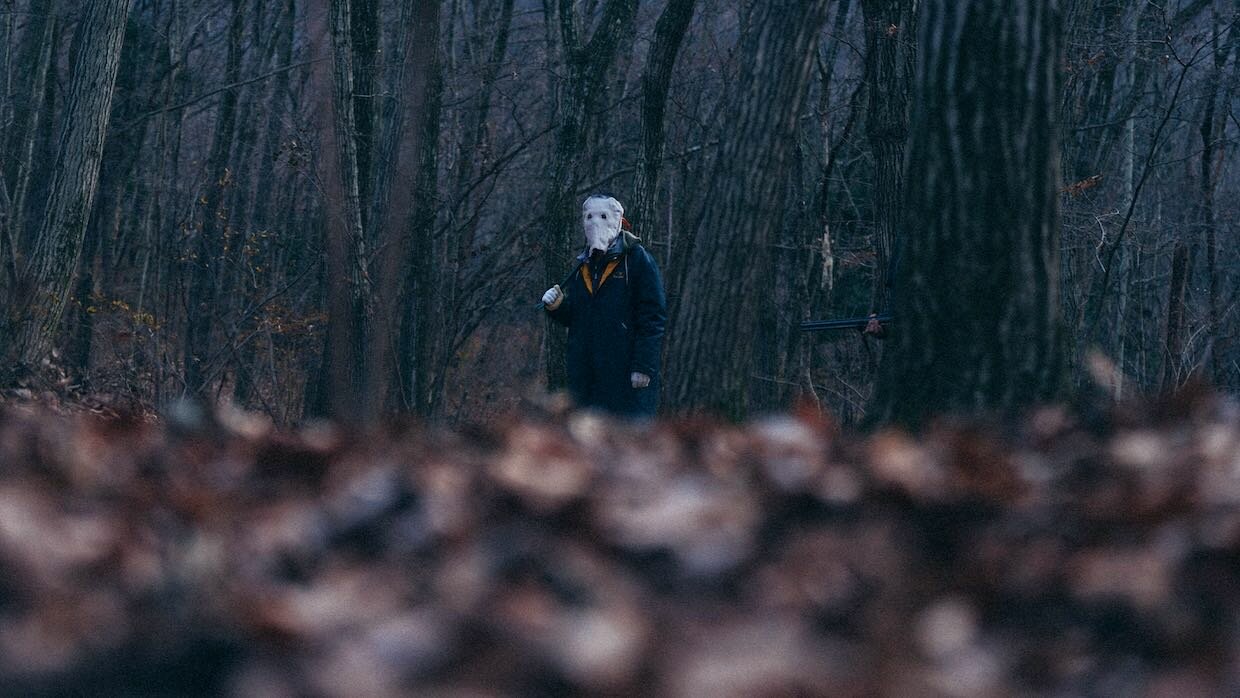
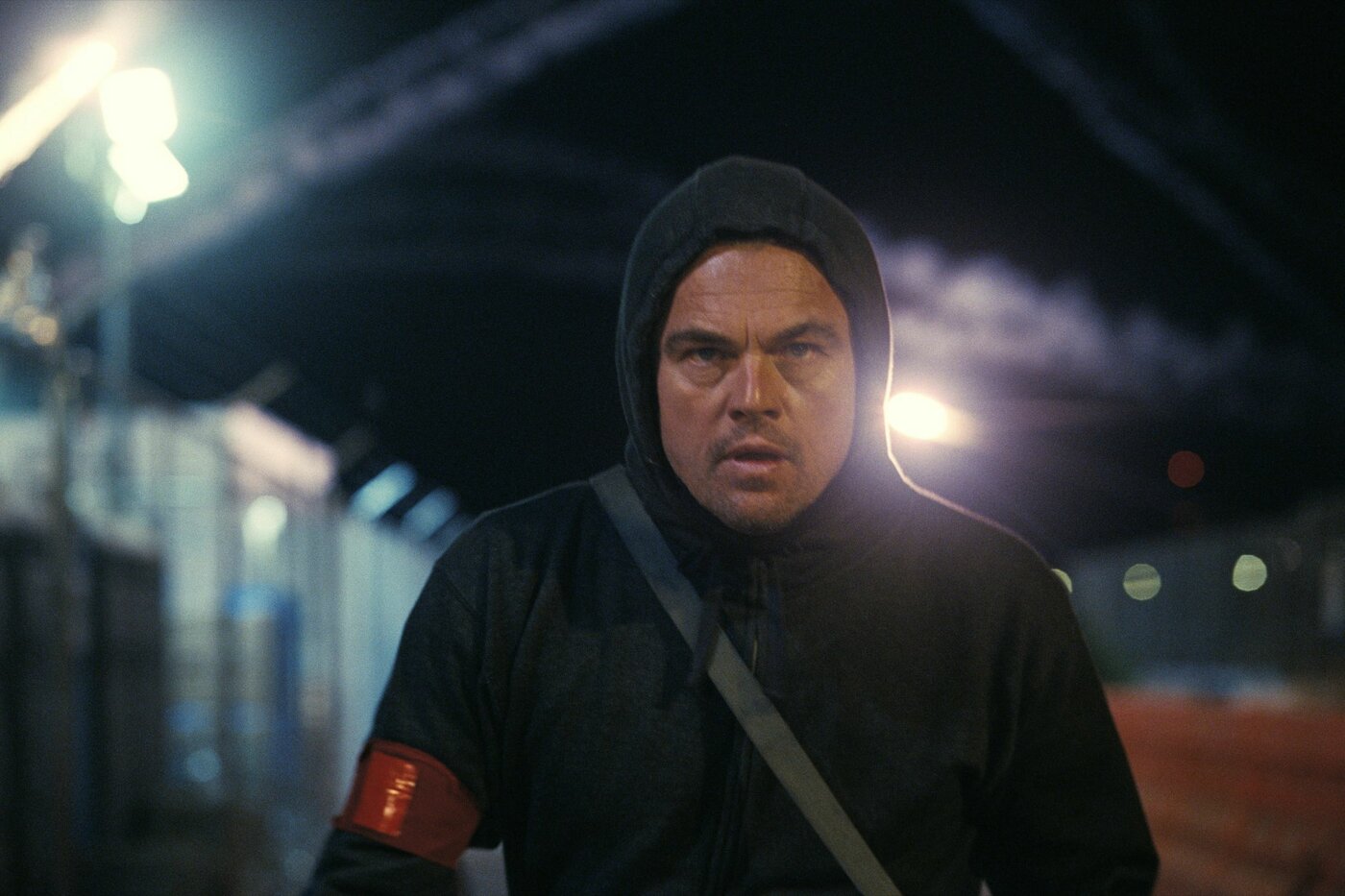
Above: Cloud (Kiyoshi Kurosawa, 2024). Below: One Battle After Another (Paul Thomas Anderson, 2025).
No one expects these to turn into box office pulverizers, but it’s also worth noting that One Battle After Another—for all the praise, nominations, and accolades it’s picked up since its release in late September—hasn’t performed as well as one might have hoped such a star-studded vehicle would. Remarkable as its $200 million worldwide haul is—all the more so for an original, R-rated, almost three-hour-long project—the film needed about $300 million to break even, enough to cover the production costs ($130 million) and marketing campaign ($70 million). Is that enough to make it a flop? Hardly. Anderson’s latest might not be hitting conventional box office benchmarks, but the metrics used to evaluate a film’s success have changed, Brian Welk suggests in an eye-opening piece at IndieWire, as studios are now moving beyond mere box office stats to forecast a movie’s value for as much as seven to ten years after its theatrical run, taking into account PVOD revenues and residuals. At any rate, One Battle was one of the very few daring films this year to generate a sense of collective buzz; many other striking projects à la Black Bag died with a whimper. This is what’s at stake with the Netflix-Warner Bros. merger. In a world of dwindling theatrical windows and gargantuan, homogeneous streaming catalogues, chances that genuinely original films will break out are smaller than ever. Depressing as it is, it’s also a reminder of the importance of these arcane rituals we partake in each December, when we’re summoned to sort out the good from the bad. Whether or not the medium will maintain its vitality depends in large part on our willingness to seek out the unknown, champion the bold, and challenge our taste. Isn’t that what lists are for?

Illustration by Niklas Wesner.
Continue reading Notebook’s 2025 Year in Review.