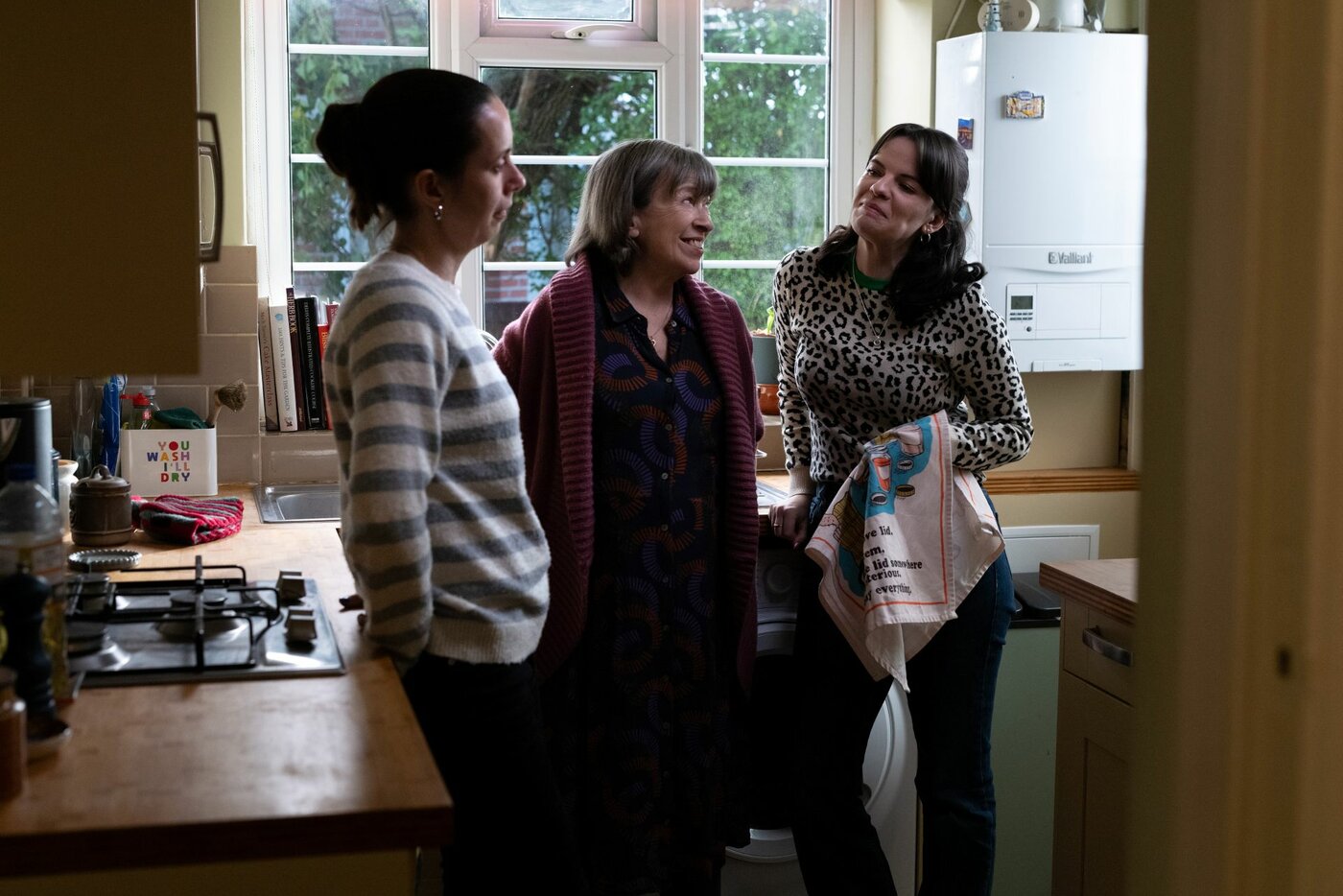
Tender Loving Care (Mike Leigh, 2026). Courtesy of Joseph Lynn.
Midway through the Toronto International Film Festival (TIFF), Canadian prime minister Mark Carney hosted the Canadian Investment Summit, which had its opening gala at the Art Gallery of Ontario. Bringing together business people from more than 30 countries with the stated aim of accelerating investment in the country which has been beset by trade conflicts with the United States, the event also galvanized a range of community groups with diverse objections to protest the summit, which then brought hundreds of police officers and vehicles to the area just north of the festival center. Meanwhile, just south of that center another new business summit was being held: an inaugural industry market at TIFF. But despite the fraught condition of the film industry, the atmosphere wasn’t of turmoil and opposition but of engineered optimism.
The big news at the festival this year wasn’t a new premiere, or what won the People’s Choice Awards (confusingly, the "international" winner was the English-language Elisnore, but the main award-winner was Javier Calvo and Javier Ambrossi’s Spanish-language La bola negra). It wasn't even a controversy over a film rejected from or accepted into the program (see last year’s report). Rather, it’s the expansion of business. Or at least, expansion in the hope for more business. Like Cannes with its Marché (since 1959) and Berlin with the European Film Market (1979) before it, TIFF has officially added a industry-focused market, held simultaneously with its large public event that is often characterized as a “people’s festival.” Despite this reputation—or, in fact, perhaps because of it—with its sprawling program, courtship of stars, and territorial focus on premiere status, the festival has for decades attracted international film business, albeit in a more informal manner. Launched with a C$23 million investment, “TIFF: The Market” is a pricey and insistent new trade conference intended both to reclaim some of the deal-making visitors and perceived industry might lost since the pandemic, as well as provide new opportunities for local and international attendees to meet, finance, and sell more films. (Presumably some business might very well take place at and during movies screened at the festival, as a new policy, shown before press and industry screenings, grants permission to use mobile devices, thus sanctioning attending bozos to disturb everyone in the auditorium.)
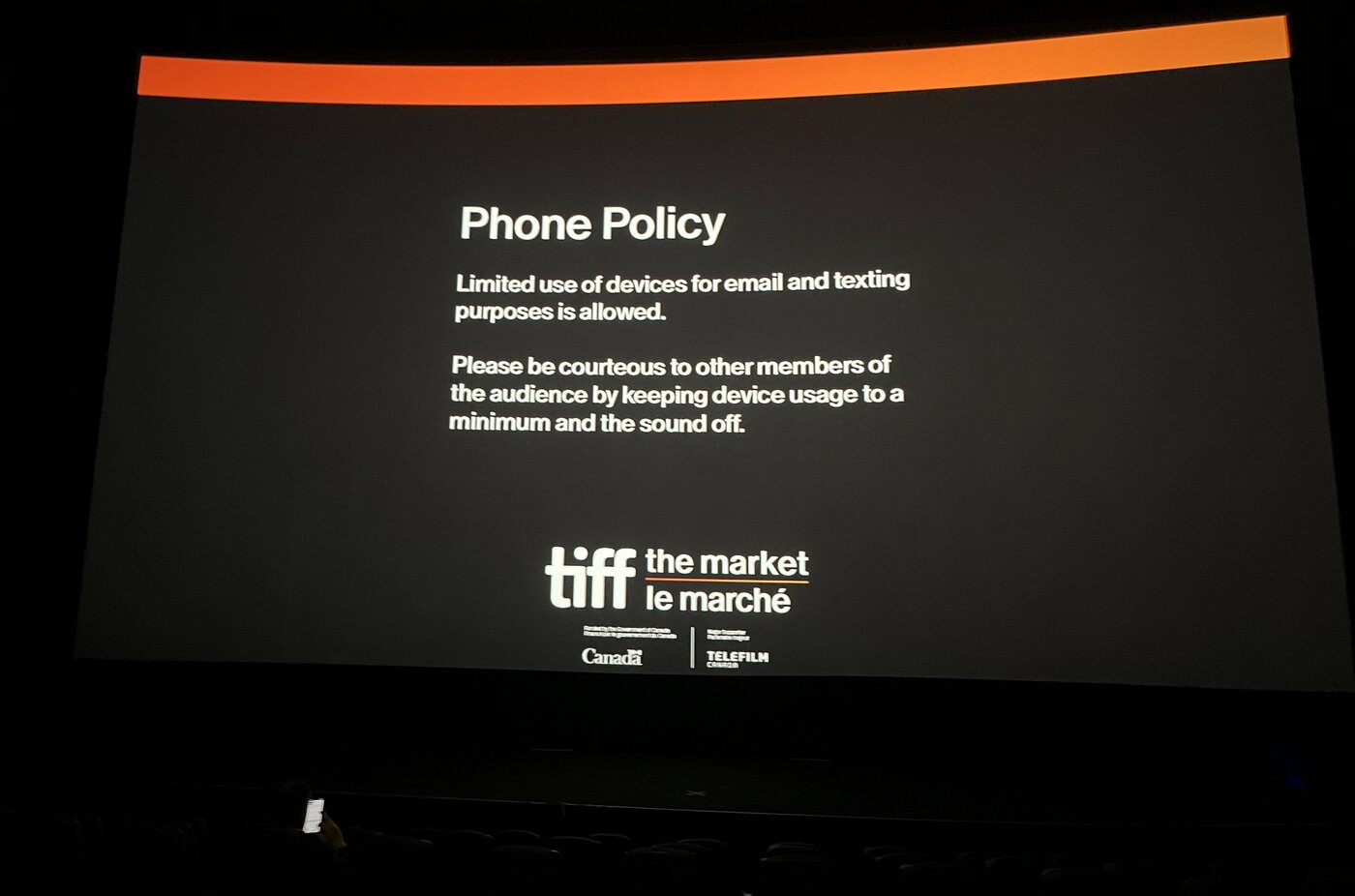
New for the festival this year: Explicit permission to use mobile devices during screenings for press and industry attendees.
But what really brings people to TIFF is not the action behind the scenes, but what’s on all those big screens, glowing white in the dark in anticipation of new revelations. The dauntingly large program—always a challenge to parse as much for press as for regular festival-goers—certainly did what the festival does best: bring together excellent highlights from earlier festivals. From Berlin’s competition came Angela Schanelec’s My Wife Cries (all films 2026 unless otherwise noted), whose white, bourgeois, European milieu in Berlin belies its increasingly intense and touching dissection of social and gender relationships, rendered through the director’s mysterious storytelling paths and luminous long takes. Beginning a week before Toronto was the Venice Film Festival, from which the Canadian fest imported Shinya Tsukamoto’s unflinchingly primal anti-war film, Mr. Nelson, Did You Kill People?, which featured an devastatingly anguished performance by Rodney Hicks as a Vietnam veteran tortured mind, body, and soul by PTSD and guilt over wartime killings. Another gem from Venice was Rami Kodeih’s expertly-crafted debut Furies, about two sisters driven by a confluence of Lebanon’s banking crisis and a medical emergency to rob a bank. And from Telluride came Mike Leigh’s possibly (but hopefully not) final film, Tender Loving Care, a story fundamentally dedicated to all the women who work so hard to fix our broken world (including one played with sublimely comic poignancy by Kate O'Flynn).
Notable highlights curated from Cannes included Marine Atlan’s beautiful, fresco-like, Critics’ Week-winning debut La gradiva, about a trip of high schoolers visiting Naples and encountering their own transformative version of the city so memorably seen in films from Rossellini’s Journey to Italy (1954) to Gianfranco Rosi’s Pompei: Below the Clouds (2025). Sandra Wollner’s Everytime, the Un Certain Regard winner, evolves from a deceptively quotidian domestic drama to an evocation of grief’s eerie, lingering affliction. Another German standout, The Dreamed Adventure, Valeska Grisebach’s long-awaited follow-up to 2017’s Western, is an engrossing and unclassifiable Bulgaria-set drama mixing unpredictable tensions between local gangsters, an archeological dig, and middle-aged female desire. And speaking of desire, Géssica Généus’s vibrant Marie Madeleine colorfully reinvents the Biblical character for a modern-day Haiti in which evangelical fervor and earthly longing are so close they verge on combustion.
For its own premieres, the festival made at least one significant programming gaff, giving the spotlight to Zack Snyder's morally repugnant The Last Photograph, a Trumpian vigilante fantasy of righteous paramilitary intervention into a depraved and lawless Third World nation. But TIFF also presented some truly excellent premieres, including sophomore director Yoon Dan-bi’s soulful and delicately imagined small-town coming-of-age tale of first love, The World Before, a showcase for both the director (between this and her 2019 debut, Moving On, clearly a major voice in new Korean cinema) and teenage lead Sim Su-bin, in a star-making performance. And Tamil director Karthik Subbaraj’s Dorothy, a blood-brother melodrama of inseparable village hoodlums, should get a prize for its tremendous volte-face, shifting from a story of violent masculinity to one confronting gender acceptance, showing just how radical mainstream filmmaking can be when directed with vigor and dedicated to transformative storytelling.
***
As we did earlier this year in Berlin, in order to spotlight the range of impressive films at TIFF this year, I’ve surveyed filmmakers across the festival’s programs, asking them to select a memorable image or moment from their own film and describe why it is particularly special to them.
Some directors chose a moment that forms the crux of their entire movie; others zeroed in on an image that surprised them beyond even their own conception. One tells of an analog discovery that impacts the whole style of the film, while others pinpoint the creation or the meaning of a moment that only they, behind the scenes, could reveal.
While some of the answers below may even make you feel like you need to see the film to fully understand them, but that’s perfectly okay. We aim to showcase how different artists choose to reflect on their work and share what they value, from the filmmaking process all the way through to the final film. If the answers inspire you to watch (or rewatch) their films, that’s all the better.
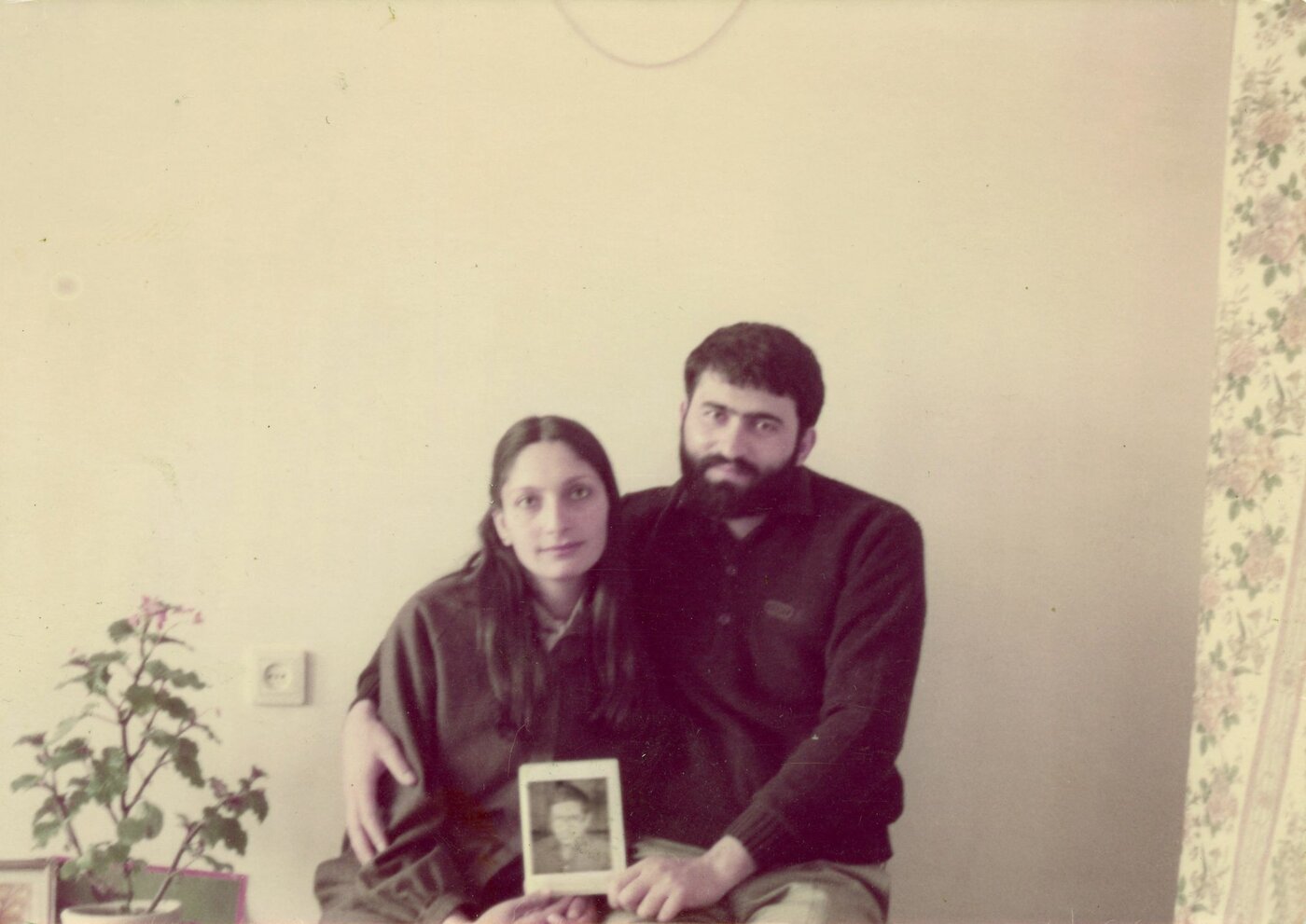
Rehearsals for a Revolution (Pegah Ahangarani, 2026).
This photograph is the reason the film exists.
For most of my childhood it was another page in my parents' album. My mother and father sitting close together, his arm around her shoulder, a small framed picture held between them. I would look for a second and turn the page.
Then I was told the story.
The man in the frame is Davoud, my parents' close friend. My parents and Davoud were young revolutionaries who lost their belief once the crackdown on opposition groups began. A few years after the 1979 revolution Davoud was executed as a political prisoner. Before this photograph, that frame held a picture of Khomeini, smiling kindly. That was the image the state published. So they removed the founder of the system that killed their friend and put Davoud in his place.
Now I see what I could not see before. My father has made himself smaller than he is. A faint smile on both their faces, and inside it, vulnerability, guilt, grief. They are looking into the lens. The frame is turned the same way, toward us. The dictator erased him and wanted him forgotten. They kept him in the frame.
I also notice the plant in the corner, its pink flowers. Loss and continuing, in one image. Hope is itself a form of resistance.
Without its story, this is a family photograph. With it, a document that contradicts the official narrative.
Dictators can erase people from history. We can bring their images and stories back, and give them a place in our collective memory. That is what I want my films to do.
—Pegah Ahangarani, Rehearsals for a Revolution (Centrepiece)
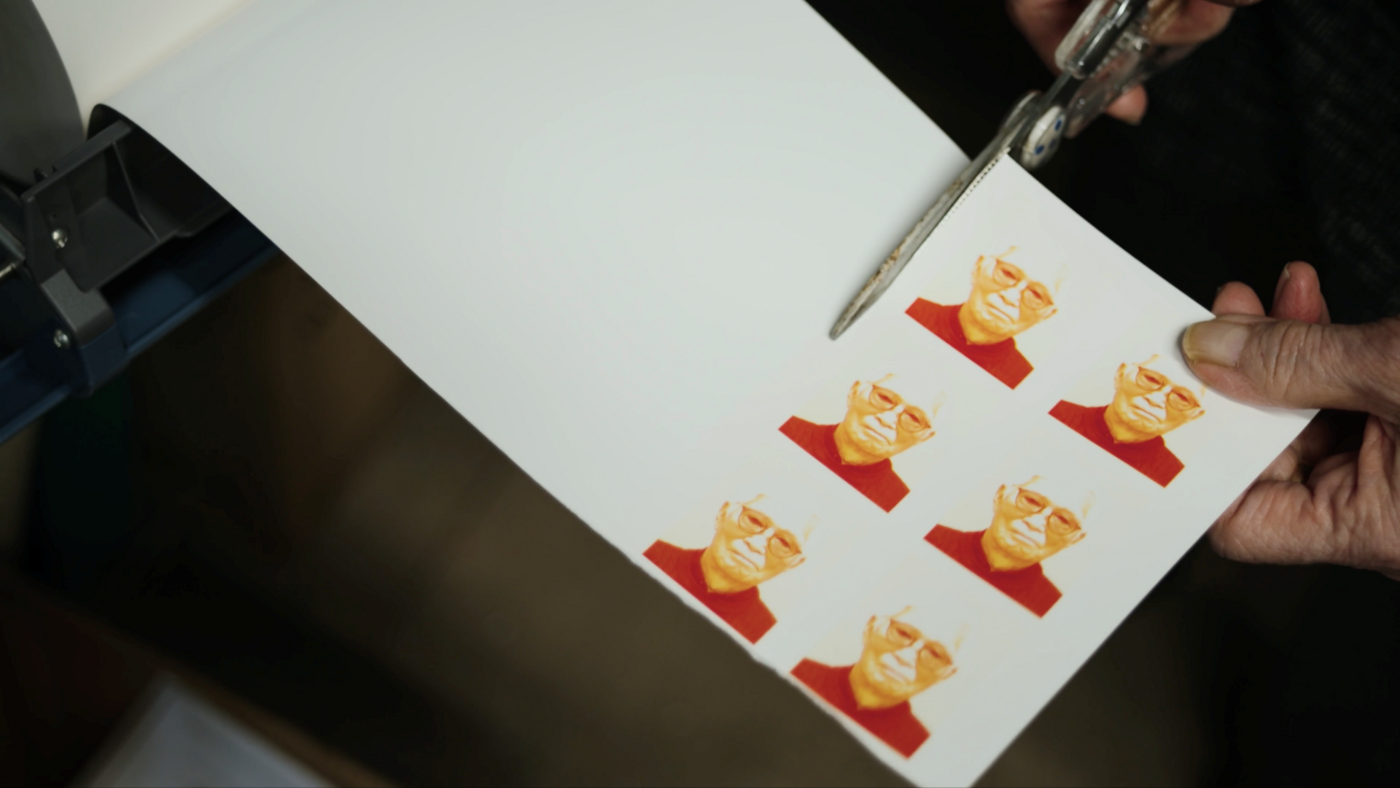
Masao Adachi Takes a Passport Photo (Kamal Aljafari, 2026).
On the second day of shooting, Shida-san, the elderly woman who ran the photo studio, wanted to print Masao Adachi's passport photo. The machine broke, and the printer made an error and printed the photo in red—it was an ink issue. Suddenly, she didn't know what to do and started talking to Neo Sora, the cameraman on the film, asking him for help. He left the camera, keeping it running, and stepped into the frame, and while he was trying to help her fix the issue, the tripod—which was a bit loose—let the camera drift and pan on its own, leaving the frame, showing the colorful photos of children, and slowly coming to rest at the edge of the studio door, where the street could be seen. During this time, Shida-san was telling him that she didn't know how to deal with the issue, since it was usually her late husband—the photographer, who had passed away a year earlier—who handled things, and that she was worried the company that produced the paper and ink for the old printer might shut down.
I sat there with the producer Aiko Masubuchi, looking at the camera moving alone. We looked at each other and smiled.
This accident basically made the film. It gave answers to all the questions that might have arisen about the characters and who they are—questions that fiction films would have answered superficially.
Life gave the answers.
It is the kind of cinema I deeply believe in: allowing oneself to be guided by what unfolds once the decision has been made to make a film with real people in real places. Reality is always more interesting than the idea one has of it, as Masao would say.
—Kamal Aljafari, Masao Adachi Takes a Passport Photo (Wavelengths)
The most important moment for me is the scene in which Kristine Froseth’s face gets destroyed. Every time I watch it, I am fascinated by it and I get the shivers. It’s so operatic and unhinged. The way it builds from her character being ill and pining for her husband, to her face morphing into a monster’s face, to the way she finds her rage at last. And just on a visceral level it’s so magnificent, with all the reds and golds, and the teal castle walls, and the dreamlike quality of the bedroom, and the swelling score, and the stabbing, and the blood. Kristine was channeling real hurt and rage—I have never in my life seen anything like it. I don’t know where she pulled that emotion from, but it was a very deep and dark place. At the end of the scene, she was standing there with blood streaming down her yellow satin gown and down her legs, and she had to leave the set for a few minutes to gather herself because she was sobbing so hard (so was I). I could watch this scene a million times and never get tired of it. I don’t mind saying that I think it’s one of the best scenes in cinema.
—Anna Biller, The Face of Horror (Midnight Madness)
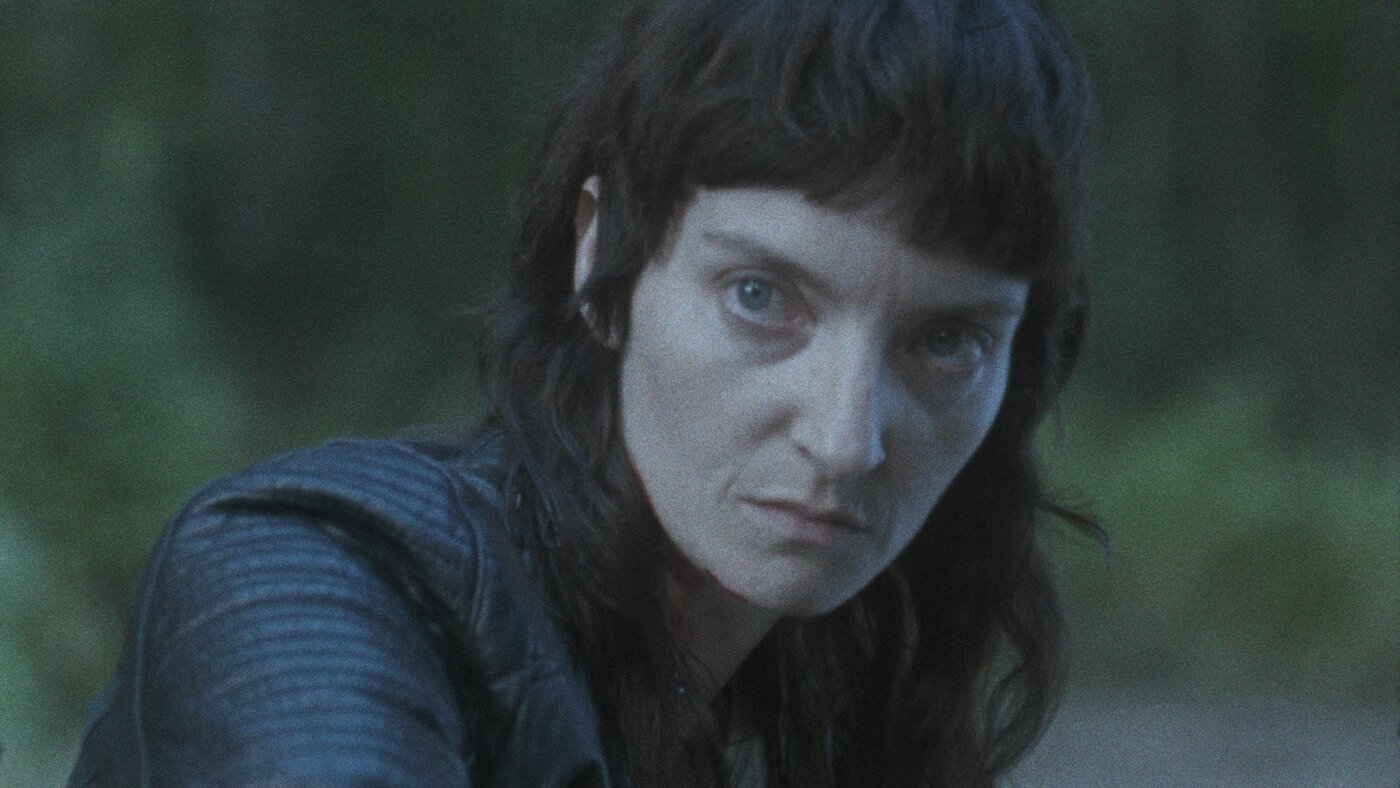
Nobody's Violence (Denis Côté, 2026).
Among the exhilarating moments in the making of Nobody’s Violence, I remember the adventure of finding the film’s visual look in Super 16mm. I had long discussions with cinematographer Vincent Biron. I wanted to create something nonchalant, impure, and dirty. Naturally, he went looking for a somewhat vintage solution. He showed me YouTube clips about a German film stock called ORWO. During a visit to the Berlinale, he went out and bought 100 or 200 feet of it to run some tests. The look turned out to be extraordinary, and we very quickly decided to shoot a good part of the film on that stock.
Then, some time before the shoot, a certain fear began to set in: exposing ORWO is rather unpredictable. The solution, then, was to shoot all the nights and interiors on Kodak and keep ORWO for the day exteriors. This marriage of two film stocks was as worrying as it was exciting. I knew I was playing with fire, and I could see the terror in Vincent’s eyes. On one side, we had the fairly smooth comfort of Kodak; on the other, the unpredictable, dirty, extraordinarily vintage solution of ORWO. We even had a drone shot, inevitably captured on video.
In the end, the color-grading stage became a wonderful playground, and we are proud of our great impure adventure.
—Denis Côté, Nobody’s Violence (Wavelengths)
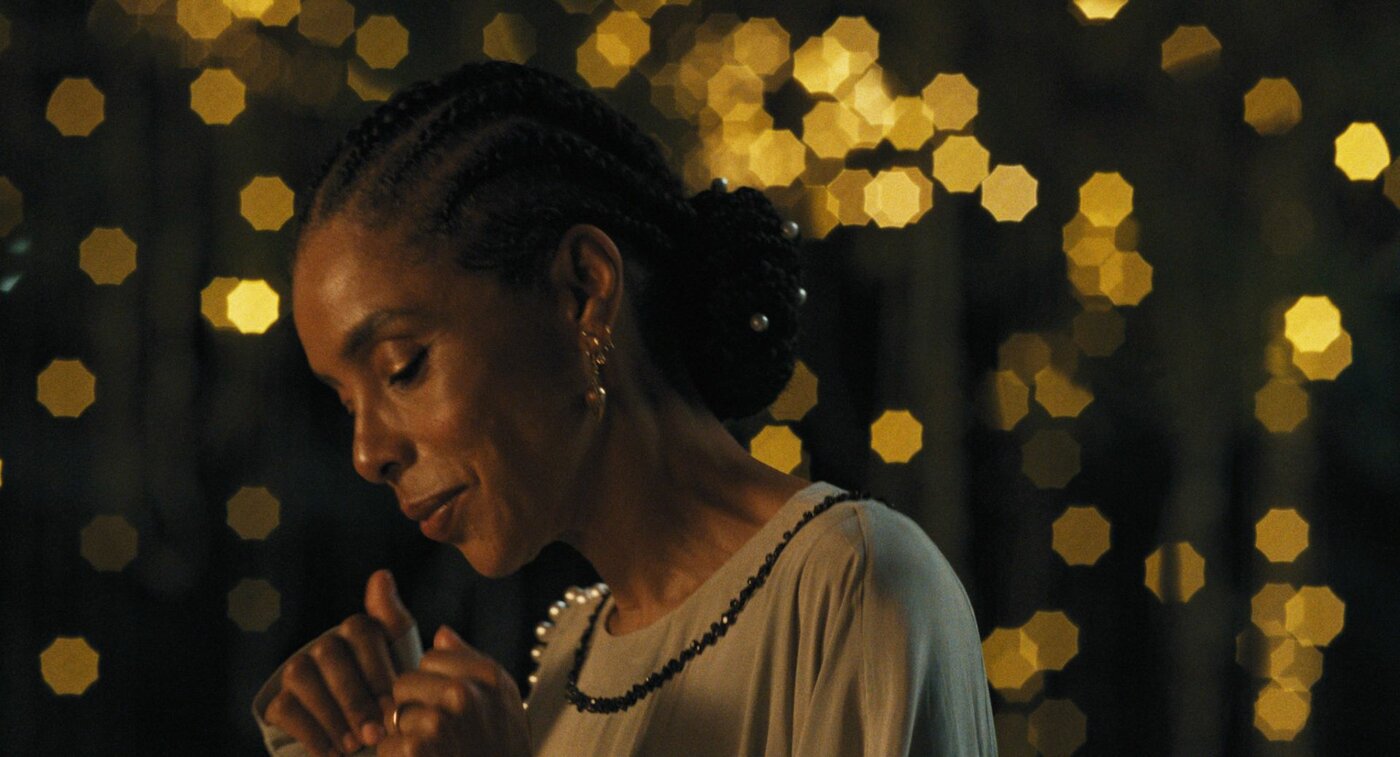
Clarissa (Arie Esiri, Chuko Esiri, 2026).
Jamil McGinnis’s book All Paths Lead Home opens with a comment made by Camille Billops to bell hooks that touched me profoundly: “Put all your friends in [your art], everybody you loved, so one day they will find you and know that you were all here together.” Those nearest and dearest to us feature as Clarissa’s party guests in the climax of the film.
—Arie Esiri, Clarissa (Special Presentations)
I want to talk about a scene between Marie Madeleine (Gessica Généus) and Sister Melody (Melissa Mildort). Marie Madeleine is leaning on a wall at the entrance to an outdoor church, watching the church women singing, and thinking her own thoughts. Melody comes up and surprises her, asking if she would like to join the church gathering. Marie Madeleine declines and goes back to the brothel on her own side of the street. I profoundly love that scene, even though it’s not necessarily a scene that would attract attention. I love the softness of it. It makes you wonder what religion could have been to the world if there was this softness in the way they share their spiritual values with those around them. What if, you know? The second thing I love is the proximity of two drastically different choices cohabiting a space without necessarily clashing with each other. The simplicity of this moment is really changed with silence—a dense silence that carries a lot of unspoken emotion.
—Gessica Généus, Marie Madeleine (Centrepiece)
There are so many moments that feel important to me for different reasons in At Night—it’s hard to choose! Perhaps the bar scene, with all the women talking, all the women listening to each other, is the one I’d pick. It’s inspired by a scene in Bette Gordon’s Variety (1983) featuring her friends—artists and sex workers—in a bar talking. The bar scene in my own film is so fascinating to me, so prismatic, it manages to hold many different points of view with relative tenderness, at the same time as maintaining a kind of tension. Like another favorite scene, the shop scene, it doesn’t try to flatten out the group’s asymmetry or difference of opinion; rather, it stays with it: what’s oppressive for one woman is liberating for another. I love how the scene manages to hold that complexity. Ben Rivers’ camera work is also formidable in this regard. He had the courage to stay put—to keep the camera trained on characters not speaking, on characters as they listen—and the effect is that, as a viewer, you’re watching people listening, which puts you too in the position of listener. This is what makes the scene so tender and open. The star of this scene to my mind is the character called Kátia. From a white feminist perspective, what she says is deep. She pulls us all up. In many ways, stretching beyond this scene even, Kátia does this repeatedly. She’s like a heartbeat.
—Beatrice Gibson, At Night (Wavelengths)
There is an image that appears three times in the film: one showing the small garden of a suburban home, as seen from a window. The first time, it’s a photograph being filmed, hanging on the wall of the main character’s apartment—David’s—depicting this view: down in the garden, a woman is holding a child in her arms and looking toward the camera. It’s David’s mother, holding David when he was a child. The second time, the same photo is being looked at by Malia, now trapped inside David’s body: she looks at this photo, which should be intimate and evocative of memories for this body, but is completely foreign to her. The third time we see this garden, it is David—himself trapped inside a woman’s body—who opens the window of what used to be his childhood bedroom and looks down at the view. The garden has aged; his mother is no longer there; there are no children anymore. It is a scene that embodies the indescribable sense of exile in which the characters are immersed—a sense of loss that lies at the heart of what the film seeks to express. A ghostly presence hovers over these three visions: that of the person who likely took the original photo—David’s father, who has long since passed away.”
—Arthur Harari, The Unknown (Special Presentations)
In the second half of the film, the main character, Fátima (Luisa Ahl Laabiad), goes to one of the local fishermen’s houses and discovers that a tragedy has occurred. It’s a very intimate scene, portraying a deeply painful moment. When shooting it, we were afraid that the emotion might be overshadowed if we took an overly descriptive or informative approach. Therefore, during the shoot and later in the editing, we gradually began to remove elements and layers, simplifying the scene while keeping it legible. Eventually, by stripping the scene back to its essential elements, we were able to amplify its emotional core.
Without using dialogue, without even focusing on the tragedy itself, we direct the attention instead to the emotion evoked by the characters’ gaunt faces and the atmosphere of the room. The heavy silence, broken only by the sound of a distant sea, made the scene more intense than any dialogue could have.
—Helena Girón, Samuel Delgado, The Fortunate Isles (Discovery)
There are many moments in Furies that I remember fondly, one being the “pirate scene” earlier in the film. Our two main characters—Dalia (Maria Nakouzi) and Maro (Rym Mroue)—are playing pretend with Maro’s 8-year-old son, Ali. Amidst Lebanon’s devastating economic crisis and corruption-fueled electricity outages, they’ve transformed their living room into an arena for fantasy, imagination, and adventure. It’s a moment of escapism amidst unimaginable socioeconomic turbulence.
This moment is directly inspired from my childhood. During long electricity outages, sometimes with war waging outside, my family and I would build pillow-forts and tents and turn the entire home into a playground-slash-movie set. Imagination was an act of resilience, just like it is for Maro, Dalia, and Ali in our film.
I knew early on that I wanted to film the play pretend scene unapologetically like an action scene. The camera is completely immersed in the fantasy that these characters have created for themselves, as opposed to spectating or watching them at a distance. Approaching it like an action scene makes the moment feel visceral, character-centered, and alive, so you as an audience member are right there with them. You’re a part of this family now.
This scene celebrates the sheer resourcefulness of these two women—how, with just a few neon lanterns and a couple household basics, they create a whole universe for this little boy. Those same neon lanterns and sources of light later reappear during the heist, transforming from tools of play and innocence into tools of rebellion and survival. The very same light that fuels their escape from reality ultimately enables their fight to survive it.
—Rami Kodeih, Furies (Centrepiece)
It would have to be the moment when Fujino (Furi Nanase) starts running on roads between the rice fields in the rain: that moment is when Fujino life begins.
—Hirokazu Kore-eda, Look Back (Special Presentations)
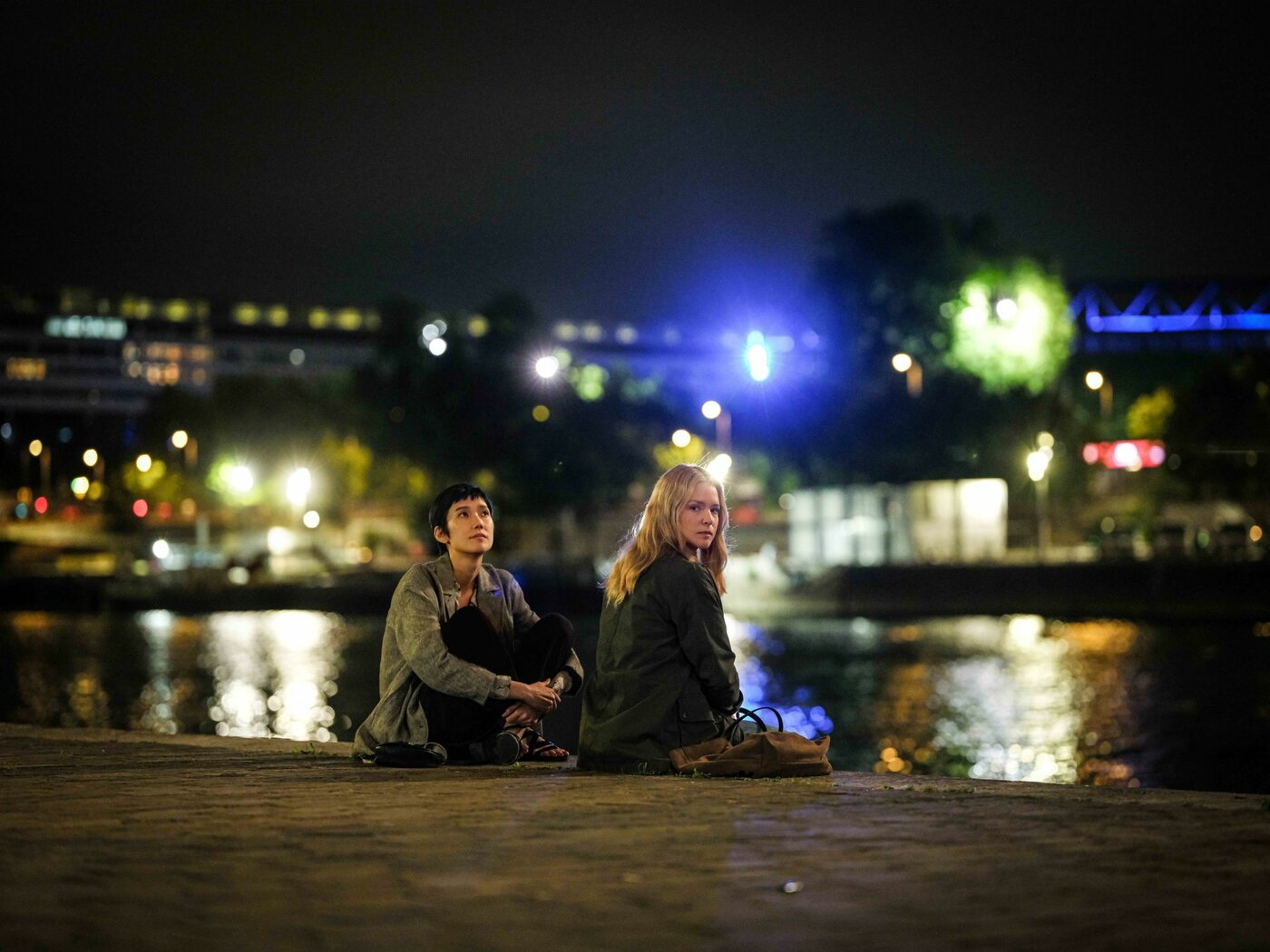
All of a Sudden (Ryusuke Hamaguchi, 2026).
It is impossible for me to choose one particular scene from my own film as something special. None is more privileged than another; every moment in my films derives its value only from its relationship with, and mutual support of, all the other moments. Every moment is equally important. I would be very happy if audiences could experience the film in that way as well.
—Ryusuke Hamaguchi, All of a Sudden (Special Presentations)
For me, it’s a moment early on, when a village woman defends the young girl under siege in this small village, by declaring that she’s a “rebel,” not a “bandit.” Immediately after, we have a shot from behind of the senior officer on site, walking with purpose to exterminate this rebel. He stops in his tracks, and demands to know who said that. The line of villagers remain silent, as does the officer nearby who knows who said it, but says nothing. What means so much to me is the musical score here. A slight push of dread underneath it all. The mildest version of it. Something that just nudges us to focus on this moment, but also step outside of it. To contemplate that this isn’t just a scene unfolding—it’s indicative of the world we’re in today. Words, expression, outbursts of raw emotion, must all be tempered. Each one can be an infraction, and even get you killed. And yet, we’re immersed in this world of Phoolan, of people so far down the economic ladder, who have the courage to risk their lives to say, and do, what they feel is righteous. And the magic of this moment did not come from me as a writer/director. It came from what the actors and on-set crew did, from what my editor snipped together, from what my composer felt and responded to, and from what my sound designer enhanced and elegantly got out of the way of. It’s everyone’s synergy, and it all converges into a moment the viewer will miss if they’re folding laundry or cooking while watching this.
—Richie Mehta, Phoolan (Special Presentations)
There is a frontal shot of the prisoners, in the police station, sitting down, and some of their heads appear chopped off by the framing. It is a copycat image from Jorge Cedron's work in the clandestine 1973 film Operación Massacre. The 2009 novel Glaxo is kind of an homage to the 1957 book Operación Masacre, and with that layer, we paid tribute to a lesser-known gem of Argentine film. The heads chopped by framing, while reshooting just as Cedron did, found a meaning I had not felt as an audience member. It is strange, and compelling in this case, to look directly through somebody else's frame.
—Benjamín Naishtat, Glaxo (Special Presentations)
It's the last scene of the film that I find affects me the most. I realized watching it in the cutting room after we shot the film that it is here where the film becomes most personal to me. A young man who has experienced loss and love and death and the bleakness and the joys of these dark years, and of youth, finds himself alone at a bar, a survivor, not sure whether to go forward or to give up, to seek love, or pleasure, or not to, and in that moment—finishing a beer, taking the last sip and considering what's behind him, and ahead—he gets the courage to go on, to get up, to join these other men on the dance floor, and to dance. I knew that doubt, that fear, that hope, that possibility then and I still know it now.
—Ira Sachs, The Man I Love (Special Presentations)
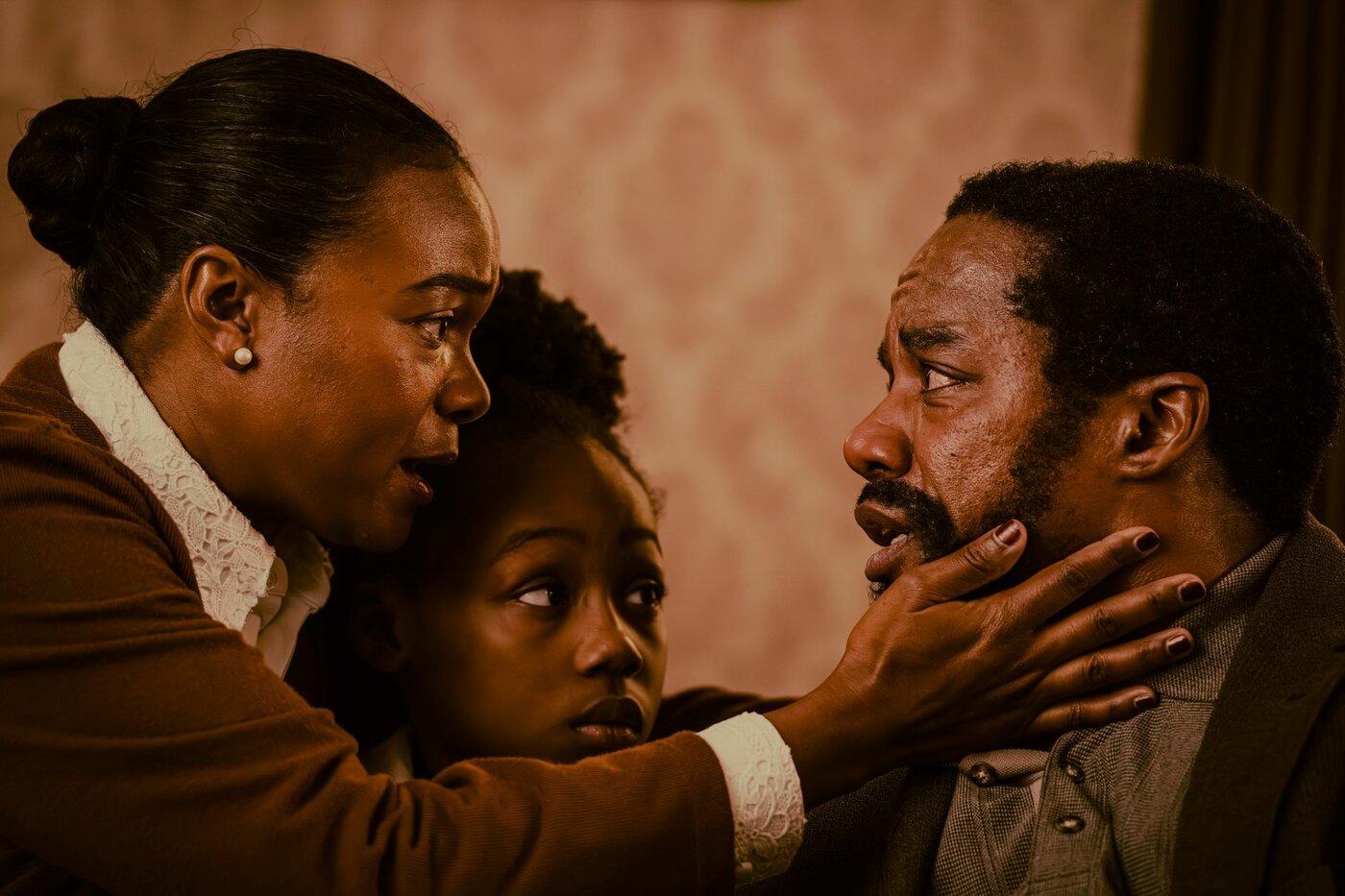
Mr. Nelson, Did You Kill People? (Shinya Tsukamoto, 2026).
At the end of the film, the protagonist, Allen Nelson, delivers a message to the audience:
“War causes terrible suffering, but it also makes people commit terrible acts of violence. It can happen to people from any country, to any kind of person. It could be you. It could be your own beloved child.”
When I made this film, there was one thought constantly on my mind: I wanted to bring Allen back to life once again—the man who came to Japan and shared with us his own experiences of war. Although the protagonist of this film is an American, what I wanted to convey is that becoming a perpetrator of violence is not something that belongs to any one country or nationality. Under the circumstances of war, it can happen to anyone, regardless of where they come from.
In this final scene, Allen recalls a precious moment he experienced on the battlefield: the memory of warm water. Amid the horrors of war, that small but deeply meaningful memory comes back to him.
—Shinya Tsukamoto, Mr. Nelson, Did You Kill People? (Special Presentations)
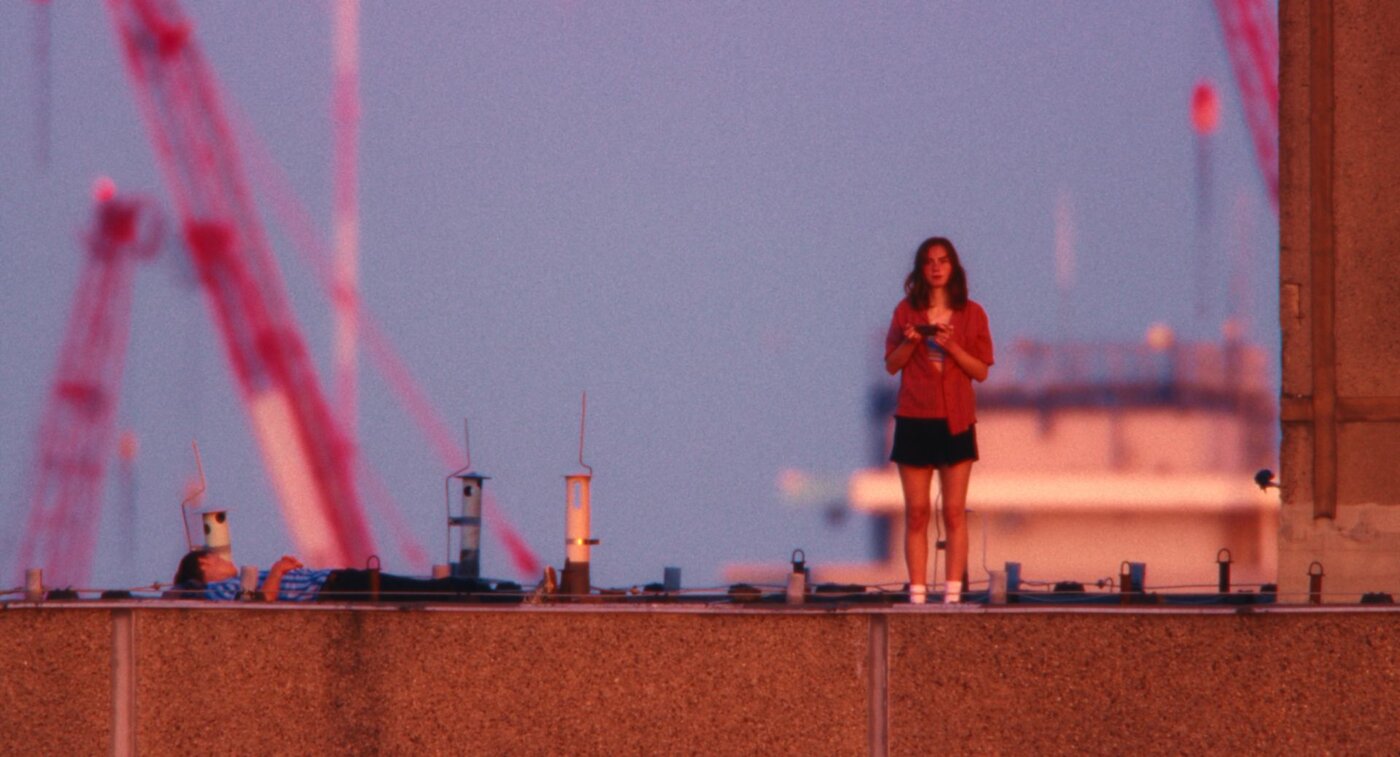
Everytime (Sandra Wollner, 2026).
There is a moment I think many of us know: after a long night, you climb onto a roof or a hill or some other slightly forbidden place and watch the sun come up. You take terrible pictures of it, and of course they fail completely. They cannot hold the moment, only prove that it happened. The sun as a mess of a few orange pixels.
In Everytime, we watch two teenagers on a rooftop in Berlin after such a night. They have taken something, they are listening to music, talking about the day, the sun, the seagulls, all kinds of things. We see them from an almost impossible distance, and yet we hear them very close. Their chitter chatter has the lightness of a first, cautious love, every word so careless, as if there were still billions of words ahead of them. The girl gets up, takes those same bad, precious pictures: of him, of herself, of the sun.
Then something shifts. She looks directly toward us, or through us, as if she has seen something behind the camera. Or as if, in some strange way, has seen herself from afar. Vague premonitions of death, a dream within a dream, a déja vu, or, more to the point, a feeling that, in this infinitesimal moment, life is all it will ever be.
That was one of the first images.
—Sandra Wollner, Everytime (Centrepiece)
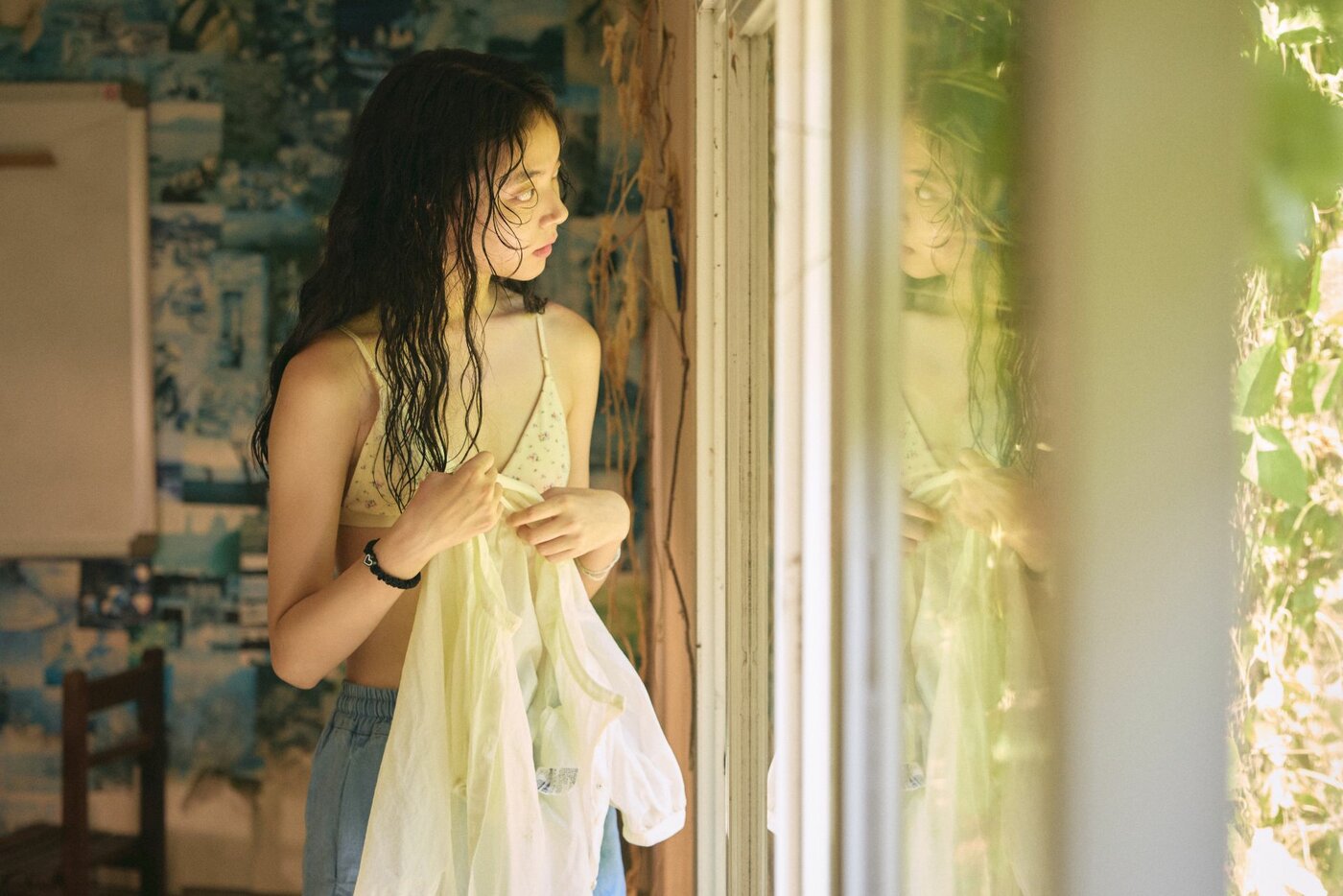
The World Before (Yoon Dan-bi, 2026).
There is a scene where, after deciding to go to the seaside with Dujae (Kim Eo-jin), Jin (Sim Su-bin) does sit-ups alone and checks herself out in the mirror. It's a bit silly, suddenly working out because she's going to the beach with someone she likes, but for Jin it's actually quite serious.
In front of the mirror, Jin's lips stay closed, but I laid in the sound of her breathing hard. It's a sound that could never actually be heard at that moment. I wanted that breath to hover right at the viewer's ear, almost like ASMR, so that just for this instant, the audience could feel as close as possible to what Jin is sensing.
Being conscious of Dujae, Jin looks closely at her own body for the first time. Wanting to be seen by someone makes her see herself in a new way too. Then, right in the middle of this, her younger sibling catches her in the act.
I love this scene. For Jin, it's a very private and significant moment, but to anyone else watching, it might look a bit funny. That's the kind of film I wanted The World Before to be.
—Yoon Dan-bi, The World Before (Platform)
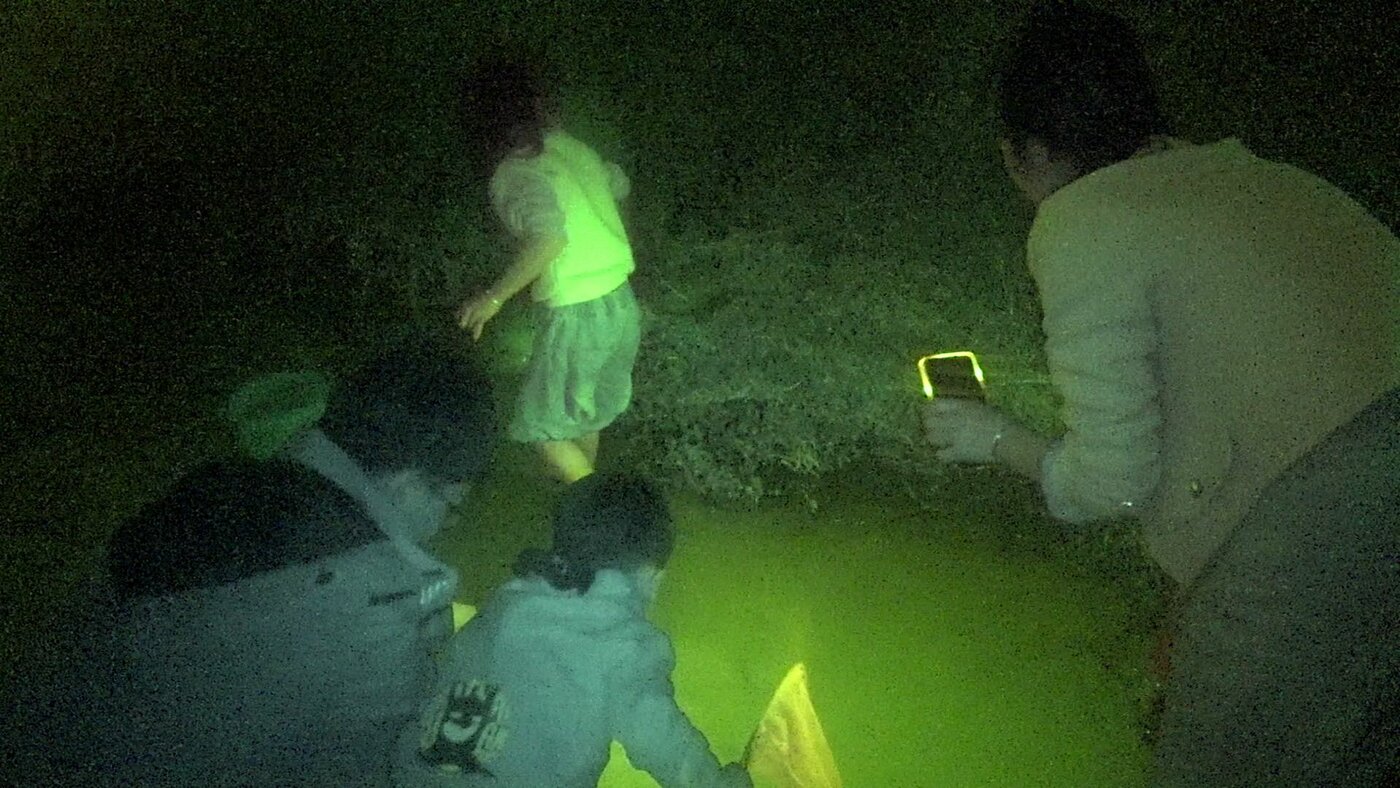
Fire Flies (Zhang Lu Xinyuan, 2026).
For some time, shooting footage that would later become Fire Flies, I followed my friend Yin through the darkness in the mountain, almost blinded by the glowing DV screen, barely able to see the trail. I listened to her footsteps and used the image as a guide, like some kind of cybernetic human. Then came the moment when Yin crouched down and began stirring the bushes with her flashlight. I froze and knew: a film existed here. She murmured a question that blurred imagination, delusion, and sensory experience, reminding me of a childlike intensity of focus and a bubbly sense of in-betweenness.
—Zheng Lu Xinyuan, Fire Flies (Wavelengths)