Get in touch to send in cinephile news and discoveries. To keep up with our latest features, sign up for the Weekly Edit newsletter and follow us @mubinotebook on X and Instagram.
NEWS
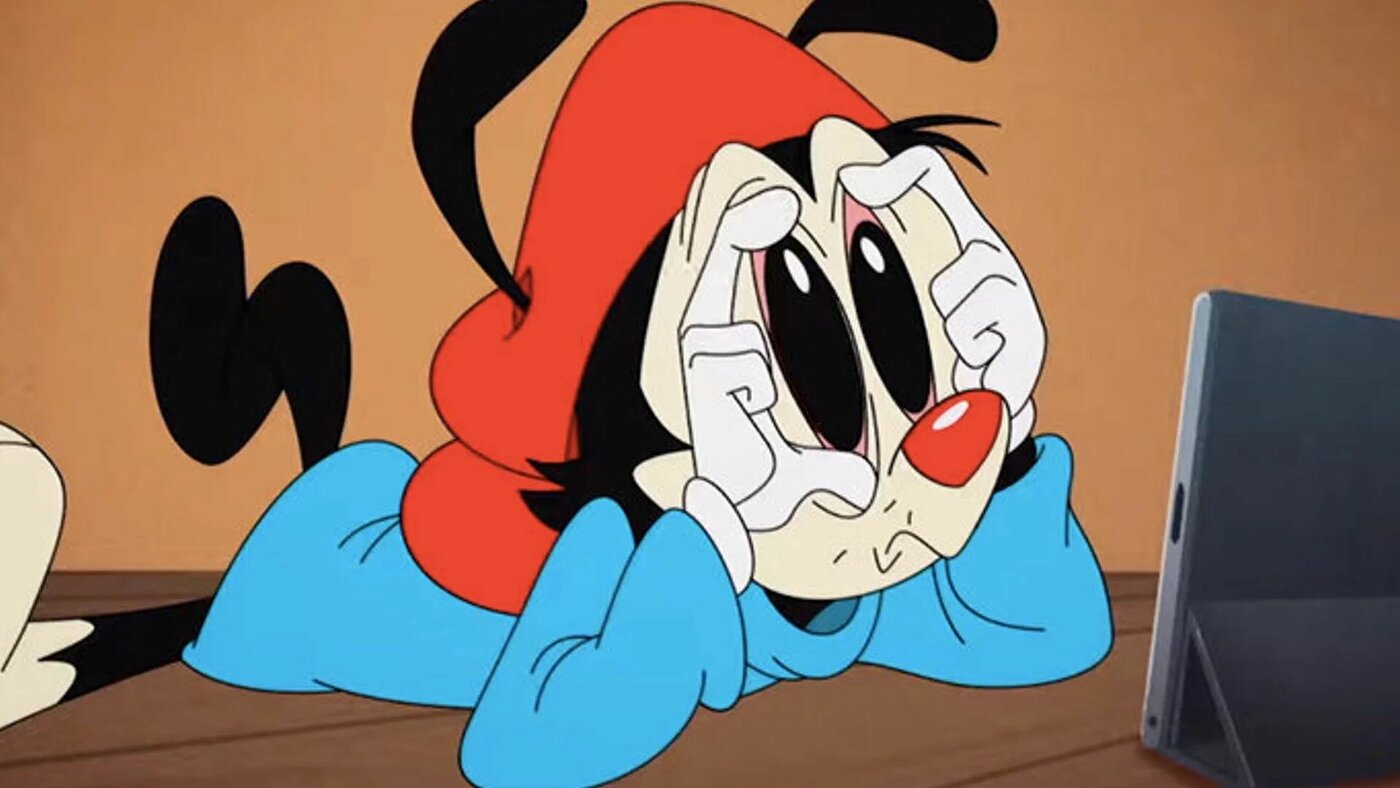
Animaniacs (Wellesley Wild, 2020–23).
- Netflix announced that it will buy Warner Bros. Discovery for $82.7 billion including its debt, beating out competitors including Comcast and Discovery for control over the eminent studio. The deal prompted concerns from antitrust experts about a potentially monopolistic control over the streaming market as well as industry veterans about the future of theatrical exhibition.
- Director Jafar Panahi has been sentenced to one year in prison and a two-year travel ban by the Iranian government for engaging in “propaganda activities” during his international press tour for his film It Was Just an Accident (2025). The sentence arrives on the heels of the government voiding a previous twenty-year travel ban earlier this year. Panahi’s lawyer has said they will file an appeal.
- The Cinémathèque Française has temporarily closed due to a bedbug infestation after reported sightings of the insects, including during a masterclass with Sigourney Weaver. The organization has said that “all the seats will be dismantled and then individually treated with dry steam at 180C several times, before being systematically checked by dogs.”
- As streaming subscriptions continue to rise, people have begun borrowing physical media in droves from local libraries, which have met this unexpected demand by growing their libraries of Blu-rays and video games.
DEVELOPING
- Matthew Rhys is in talks to star as Robert Moses in a Netflix adaptation of Robert Caro’s The Power Broker, provided the streaming giant can acquire the rights to the mammoth 1974 biography.
REMEMBERING

Photograph by Gorup de Besanez.
- Tom Stoppard has died at 88. The Czech British playwright and screenwriter first rose to prominence with his existential tragicomedy Rosencrantz & Guildenstern Are Dead (1966), which retells Shakespeare’s Hamlet from the perspectives of the two eponymous minor characters. His other acclaimed plays include Travesties (1974), The Real Thing (1982), and Arcadia (1993), the last of which reportedly inspired surgeon Michael Baum’s research into breast cancer treatment. Stoppard’s screenwriting career began in earnest when he collaborated with Rainer Werner Fassbinder on his adaptation of Vladimir Nabokov’s Despair (1978). He went on to pen the screenplay for Otto Preminger’s The Human Factor (1979), cowrite Terry Gilliam’s Brazil (1984), and win an Oscar for coauthoring Shakespeare in Love (1996). He also script-doctored such big-budget Hollywood productions as Empire of the Sun (1987), Indiana Jones and the Last Crusade (1989), and Star Wars: Episode III – Revenge of the Sith (2005). Stoppard’s sole directorial credit was for a 1990 film adaptation of Rosencrantz & Guildenstern Are Dead starring Gary Oldman and Tim Roth, which won the Golden Lion at the Venice International Film Festival.
RECOMMENDED READING
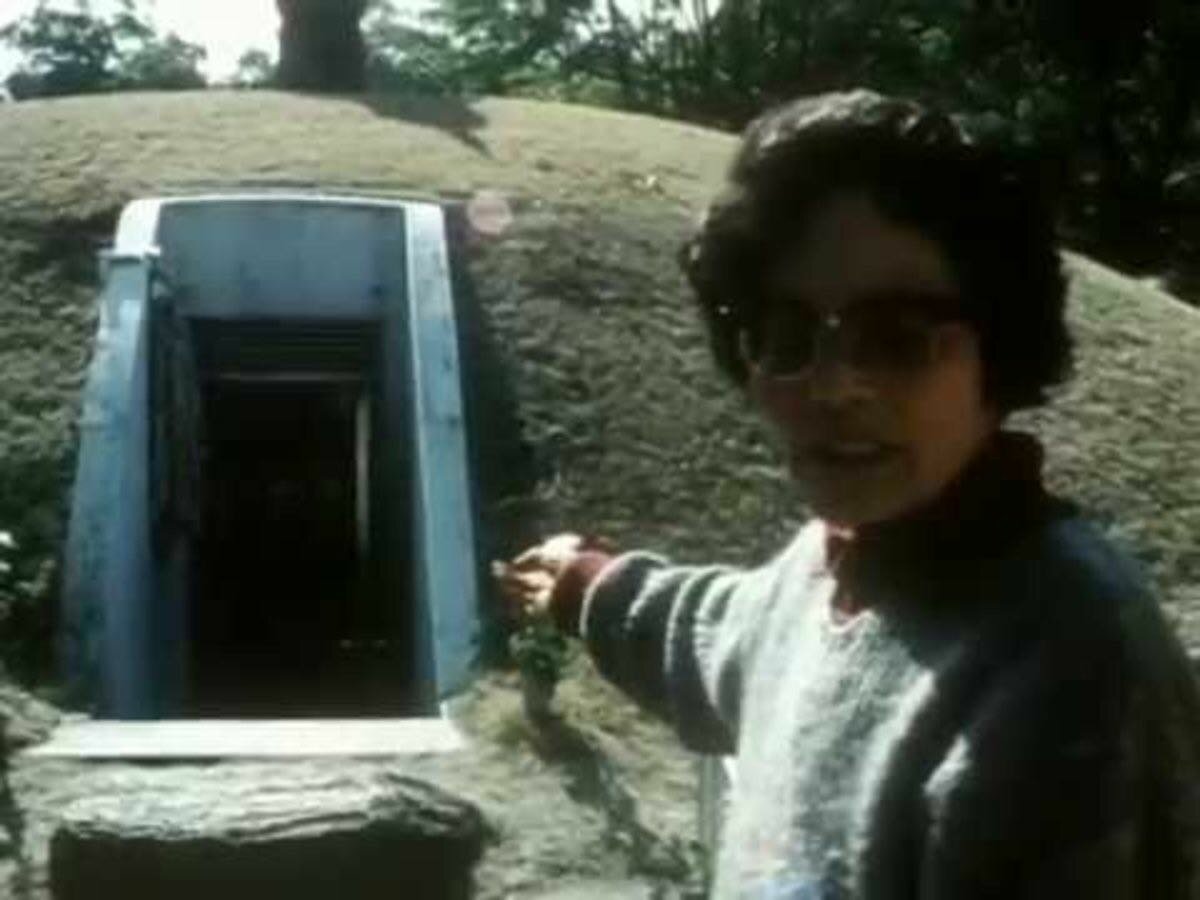
The Journey (Peter Watkins, 1987).
- “The letters are incontrovertible evidence that the filmmaker would throw himself into every single battle his work encountered from the wimpy politics of the film and TV industry, whether or not there was any expectation of winning. They testify to the protocolar ignorance and capitulation of even the most liberal-seeming institutions of the industry.” For e-flux, Rachael Rakes remembers filmmaker Peter Watkins through dozens of “imploring and confrontational” letters he wrote to industry figures defending his provocative work.
- “Whenever David Lynch’s cri de coeur against watching movies ‘on your fucking telephone’ circulates online, it is met with hostility from certain people. As beloved as Lynch is, some of his viewers treat his assessment as an insult to their lifestyle choices. The implication of their overreactions is clear: a defense of laziness, convenience, and (cinephagic) gluttony—things they probably don’t like in other people.” In an essay adapted from his new book Algorithm of the Night: Film Writing, 2019–2025 for the New York Review of Books, A.S. Hamrah writes about combatting defeatism inherent in contemporary cinema culture.
- “Even in a milieu of raging exhibitionists who tweaked and torqued all codes of gender and sexuality, Woronov stood out: a heterosexual futch with model looks, a straight-male impostor who often dressed like a gay guy.” For 4Columns, Melissa Anderson pays tribute to actress Mary Woronov ahead of a retrospective of her work at Anthology Film Archives.
- “Le retour à la raison offers no story line, no tug on the heartstrings, no character development…. Instead, the film confronted its viewers with a frenetic parade of abstract visuals, using a variety of camera tricks that must have looked stunningly, even disturbingly, new—a ‘purely optical’ experience, as the artist described a later motion picture, ‘made to appeal only to the eyes.’” In an essay for the Criterion Collection release of Return to Reason: Four Films by Man Ray, Mark Polizzotti examines the origins of the influential surrealist and his incomparable film work.
RECOMMENDED EVENTS
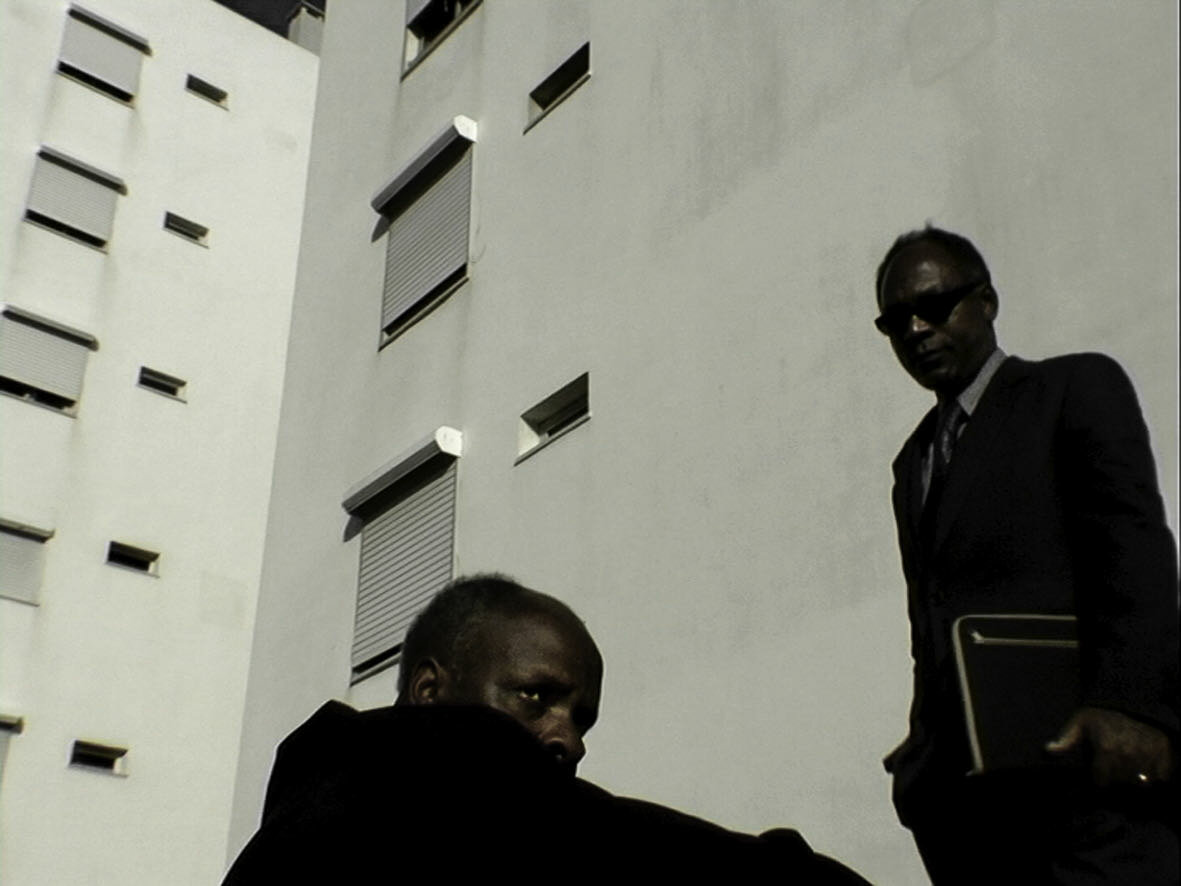
Colossal Youth (Pedro Costa, 2006).
- Copenhagen, December 12 through 14: The Danish Film Institute presents A Thousand Shadows, a weekend program dedicated to the work of Pedro Costa, featuring the filmmaker in person to discuss his own film Colossal Youth (2006) as well as other works that have inspired his practice, including Kenji Mizoguchi’s Flame of My Love (1949) and Jacques Tourneur’s The Fearmakers (1958).
- Baltimore, through February 1: The Baltimore Museum of Art, in conjunction with the Menil Collection, presents John Akomfrah: The Hour Of The Dog, an immersive multichannel video installation by the London-based artist that uses “archival footage, still photography, and newly filmed materials overlaid with an immersive sound design” to collect perspectives of Civil Rights activists that collapses the past and present.
- Berlin, through February 8: Neuer Berliner Kunstverein presents Moyra Davey, the first institutional survey exhibition in Germany of the Canadian-born artist and filmmaker. The exhibition includes work from across three decades of her career and will include the publication Moyra Davey. Portrait Mode, with a new essay by the artist.
- Aachen, through March 15: The Ludwig Forum for International Art presents KI$$ KI$$, the first institutional survey exhibition of Taiwanese American experimental video artist Shu Lea Cheang, which uses her first feature film Fresh Kill (1994) as a jumping-off point to gather and recontextualize three decades of her work, including her pioneering forays into early net art.
RECOMMENDED VIEWING
- In an episode of the podcast Fashion Neurosis, host and London-based designer Bella Freud interviews director David Cronenberg about fashion, nudity, and the complicated legacy of body horror.
- A24 presents a trailer for David Lowery’s Mother Mary (2026), a psychosexual drama about a relationship between a pop singer (Anne Hathaway) and a fashion designer (Michaela Coel), featuring original songs by Jack Antonoff and Charli XCX.
- Cinema Guild presents a trailer for the 4K restoration of Luc Moullet’s A Girl Is a Gun (1971), a “slapstick Bouillabaisse Western” starring Jean-Pierre Léaud as Billy the Kid.
- Le Cinéma Club presents Christopher Radcliff’s We Were the Scenery (2025), a short documentary about writer and producer Cathy Linh Che’s parents, two Vietnam War refugees recruited by director Francis Ford Coppola to be extras in his film Apocalypse Now (1979). The documentary won the Short Film Jury Award at this year’s Sundance Film Festival.
RECENTLY ON NOTEBOOK
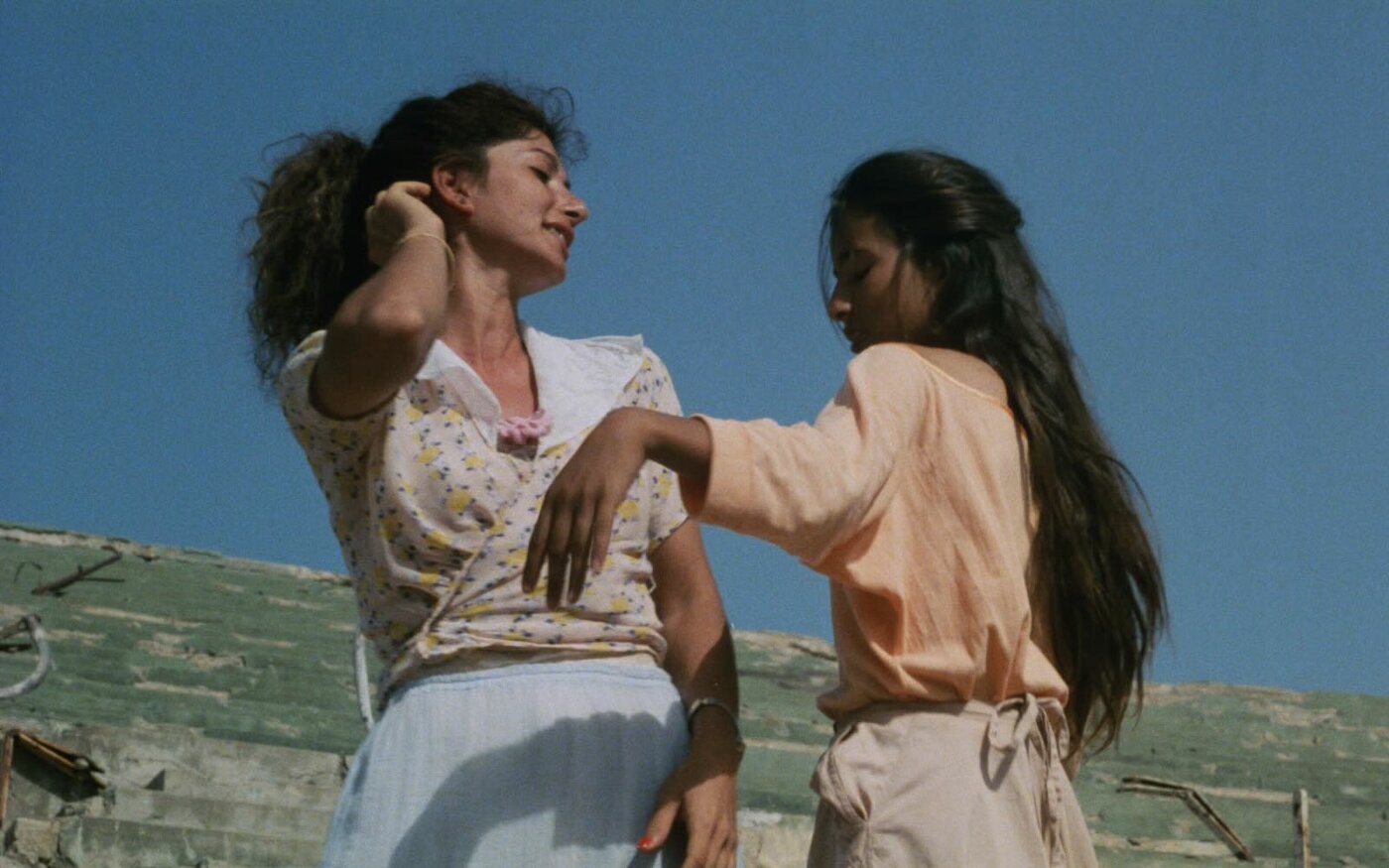
The Razor’s Edge (Jocelyne Saab, 1985).
- “The rediscovery of The Razor’s Edge is a reminder that even the fragile, febrile medium of film can be more lasting than concrete, to say nothing of flesh.” Imogen Sara Smith considers a new restoration of Jocelyne Saab’s first narrative feature, set in the ruins of Beirut.
- “A memoir accords well with the basic demands of sobriety: There’s an old me and a new me, places I can’t go anymore, friends I can’t see.” Dylan Adamson reviews Abel Ferrara’s Scene, a memoir of the filmmaker’s addiction and recovery.
- “I make these movies to appeal initially for a very short shelf life. The audience in the moment gets the thrill of being in that moment. Then my films go into hibernation and emerge twenty years later as beautiful, time-specific butterflies.” Adam Nayman interviews Joseph Kahn about his latest film, Ick (2024), a girl-dad creature-feature.
- “Talent will out, and this year, a lot of the best work has been done on the margins.” Adrian Curry shares his favorite movie posters of 2025.
EXTRAS
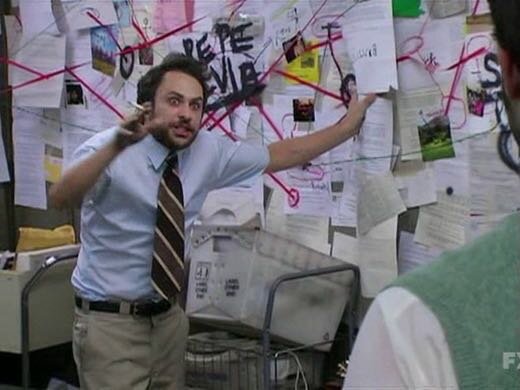
It’s Always Sunny in Philadelphia (Rob McElhenney, 2005–12).
- The Vault of Culture—“an edited, semi-scholarly space devoted to publishing a wide range of approaches to a variety of cultural objects”—hosts Narrative String Theory, Shawn Gilmore 's ongoing series that collects appearances of the visual trope that scholar Nico Baumbach has elsewhere called “the crazy wall.”
- The Media City Film Festival, a premier international festival for film and digital art presented in Windsor, Ontario, and Detroit, Michigan, since 1994, is currently soliciting donations through PayPal in light of cuts to its funding and rising production costs.