Get in touch to send in cinephile news and discoveries. To keep up with our latest features, sign up for the Weekly Edit newsletter and follow us @mubinotebook on X and Instagram.
NEWS
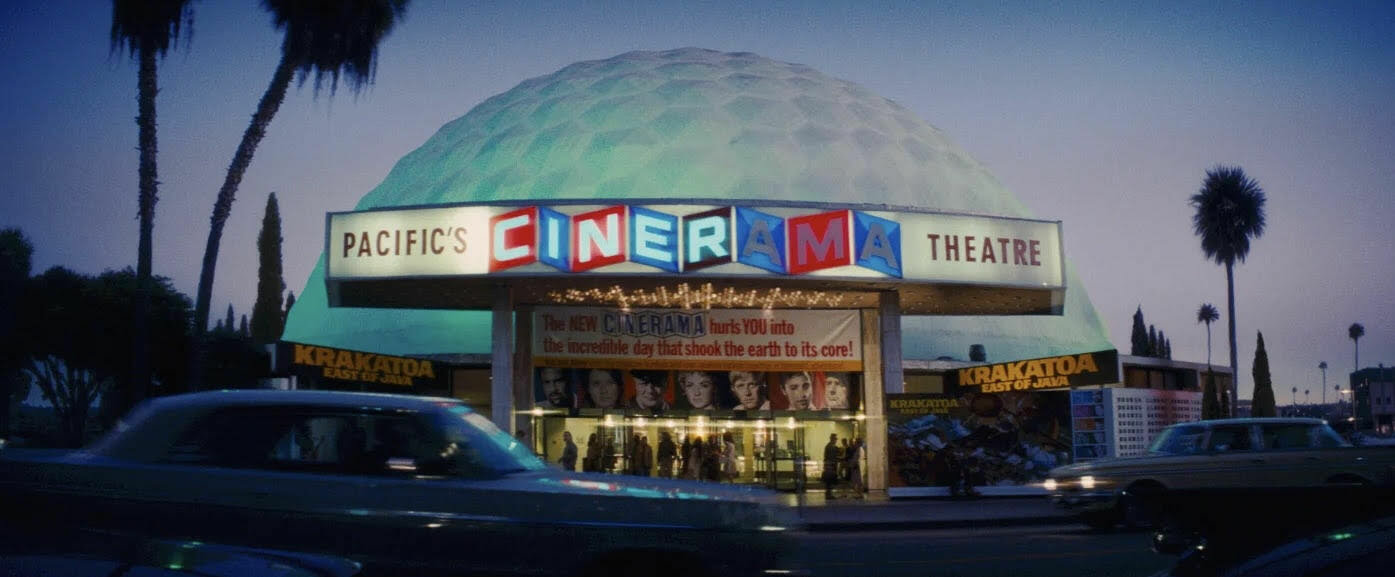
Once Upon a Time... in Hollywood (Quentin Tarantino, 2019).
- The Venice Film Festival has unveiled its 2026 lineup, which includes new work by Lav Diaz, Lee Chang-dong, and Werner Herzog. Explore the full lineup at the festival’s official website.
- Paramount has agreed to delay its merger with Warner Bros. until next June so a federal judge can weigh a lawsuit from a coalition of twelve states attempting to block the deal. Despite Paramount framing the delay as a “significant win” for them, it still poses a significant cost to the company, which has agreed to pay Warner Bros. shareholders $650 million for every quarter the deal isn’t finalized, beginning in October.
- Elon Musk has pledged to make his own “historically accurate” version of The Odyssey with the help of his generative AI tool Grok before the end of the year. Musk has been critical of Christopher Nolan’s The Odyssey (2026) having previously described the director as “an anti-White racist” for casting Lupita Nyong’o. Meanwhile, Nolan’s Odyssey has made over $600 million worldwide.
- After years of protests and petitions from the Los Angeles film community, the Cinerama Dome theater and the Arclight Hollywood multiplex are set to be revived. The theaters shuttered in 2020 at the onset of the COVID-19 pandemic, and now the family of William R. Forman, the properties’ owner, are in talks with Sony and Alamo Drafthouse to reopen the sites.
DEVELOPING
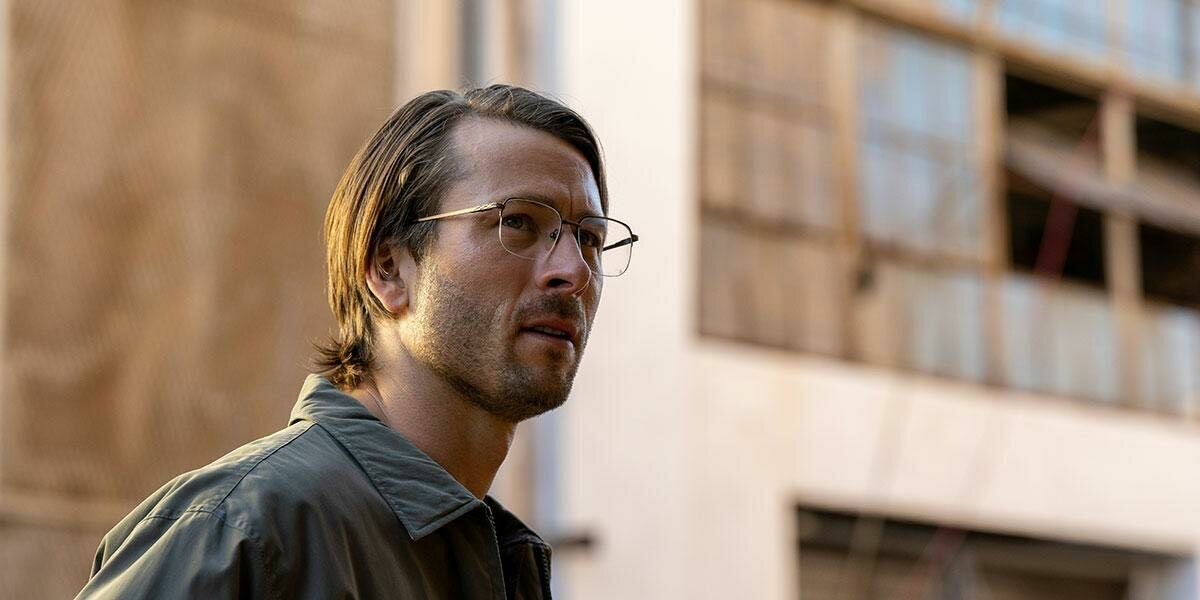
Hit Man (Richard Linklater, 2023).
- Richard Linklater is set to direct a Lou Gehrig biopic starring Glen Powell and produced by Lorne Michaels, with a script penned by Simon Rich.
REMEMBERING
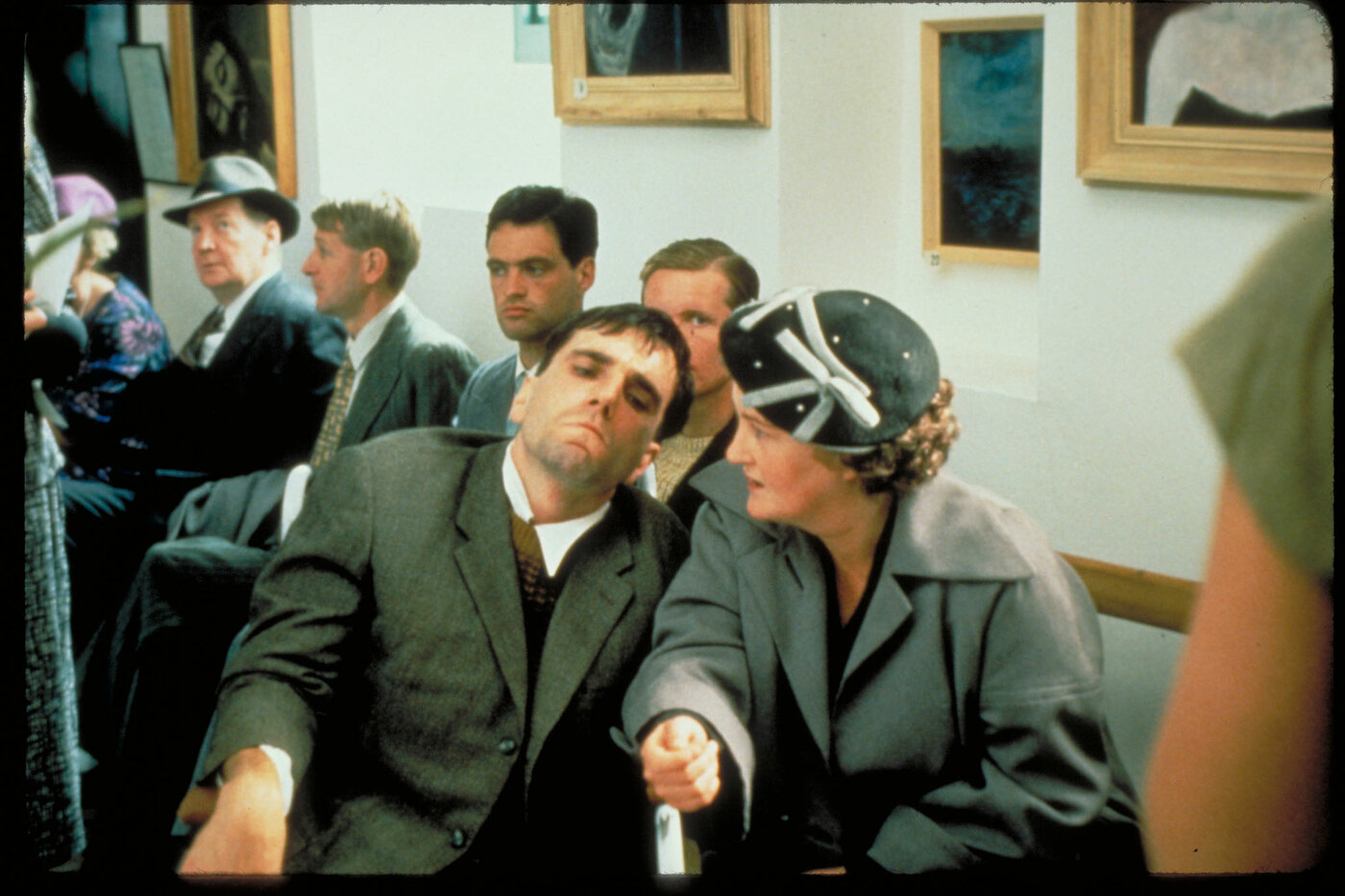
My Left Foot (Jim Sheridan, 1989).
- Brenda Fricker has died at 81. The Irish actress overcame a childhood marred by abuse and illness to become a screen and stage presence in the UK. She achieved international acclaim by playing the mother of Christy Brown in Jim Sheridan’s My Left Foot (1989). Fricker later received the Oscar for Best Supporting Actress for her performance, making her the first Irish actress to win the award. She went on to collaborate with Sheridan on his next film The Field (1990) before taking on roles as maternal figures in Hollywood movies like Home Alone 2: Lost in New York (1992), So I Married an Axe Murderer (1993), and Angels in the Outfield (1994). Fricker’s final lead performance was in Tadhg O’Sullivan’s experimental drama The Swallow (2024) where she played an elderly artist reflecting on her life in a small house on the Irish coast.
RECOMMENDED READING
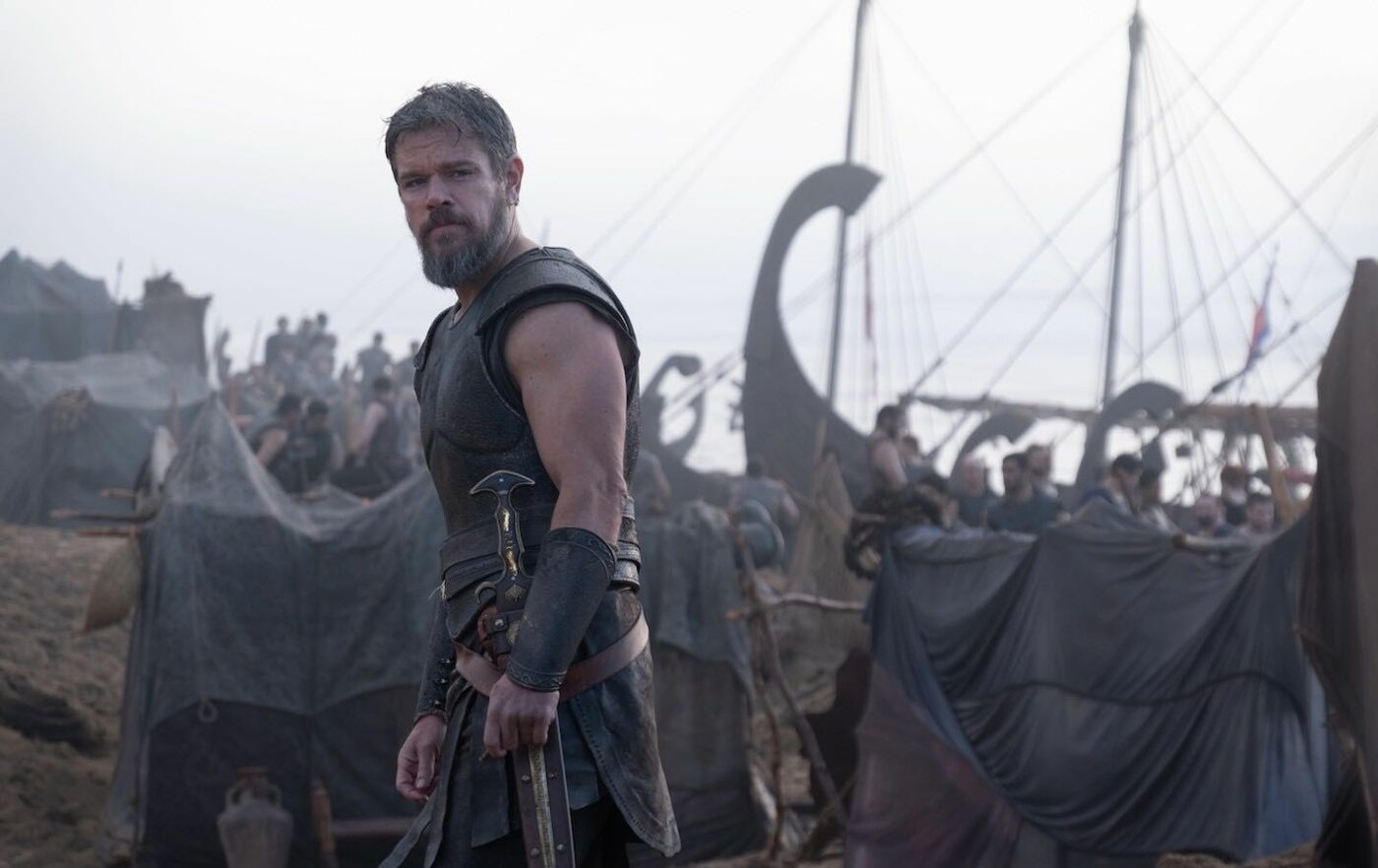
The Odyssey (Christopher Nolan, 2026).
- “I sometimes wonder if Christopher Nolan thinks of himself as a sellout or a god. The former might explain all the guilty feelings afflicting his heroes, from Bruce Wayne to Robert Oppenheimer. Was his Batman trilogy a series of nuclear detonations that wiped out non-indie middlebrow moviemaking? Or was it a Trojan Horse meant to smuggle Nolan’s cinematic genius into Hollywood before an inevitable tech-driven apocalypse would wipe out the remnants of the studio system?” For The Nation, Christian Lorentzen pans The Odyssey (2026), “an epic of simplistic populism in which irony, comedy, and playfulness have been replaced by trauma, shame, and healing.”
- “When I first watched Sherman’s March years after its initial release, I was startled to hear echoes of some of my favorite filmmakers in this much older film. His influence was apparent in several other mediums as well, from long-form podcasts to bizarre television series. Artists as unalike as Ira Glass, Michael Moore and John Wilson have proclaimed a debt to McElwee’s work.” For the New York Times, Alissa Wilkinson explores the cultural footprint Ross McElwee’s films have left on reality television, contemporary vlogging, and non-fiction film.
- “For me, this is [Harry Dean] Stanton’s greatest performance, specifically because it fuses together the two modes that predominate in his career, but are rarely explored, as they are here, as two faces of the same character. One is the frisky, misanthropic provocateur, the other the soulful dead-eyes survivor-witness, the man who’s seen too much. (You could call this the Repo Man (1984) vs. Paris, Texas (1984) perplex.) Because his unusual physiognomy ropes these two modes together in one body—Stanton appears to have jumped from limber, goofy teen to crushed senior citizen without bothering to visit middle age on the way—we can underestimate his range. But not here.” For Criterion’s Current magazine, Jonathan Lethem waxes praise about Harry Dean Stanton’s performance in Straight Time (1978) and how he “vividly defines the childlike jubilation that still explodes from inside the jaded criminal veteran.”
- “In the movie version as I recalled it, Winona Ryder, as Jo, hears Beth’s final thoughts, uttered tearfully and snotfully by Claire Danes in an early example of her now-famous cry. Danes is unembarrassed at how much she feels and how much it shows. It’s so goddamn earnest. Jo goes to shut the open window as a gust of wind blows in; this signals to her and us that Beth has died. She crawls into bed with her sister’s lifeless body. I cry like a baby and hope no one sees. My heart wins out over my head.” For Vulture, Sarah Chihaya examines Beth’s death scene in Gillian Armstrong’s Little Women (1994) in light of her recent diagnosis with a rare neurodegenerative disease.
RECOMMENDED EVENTS
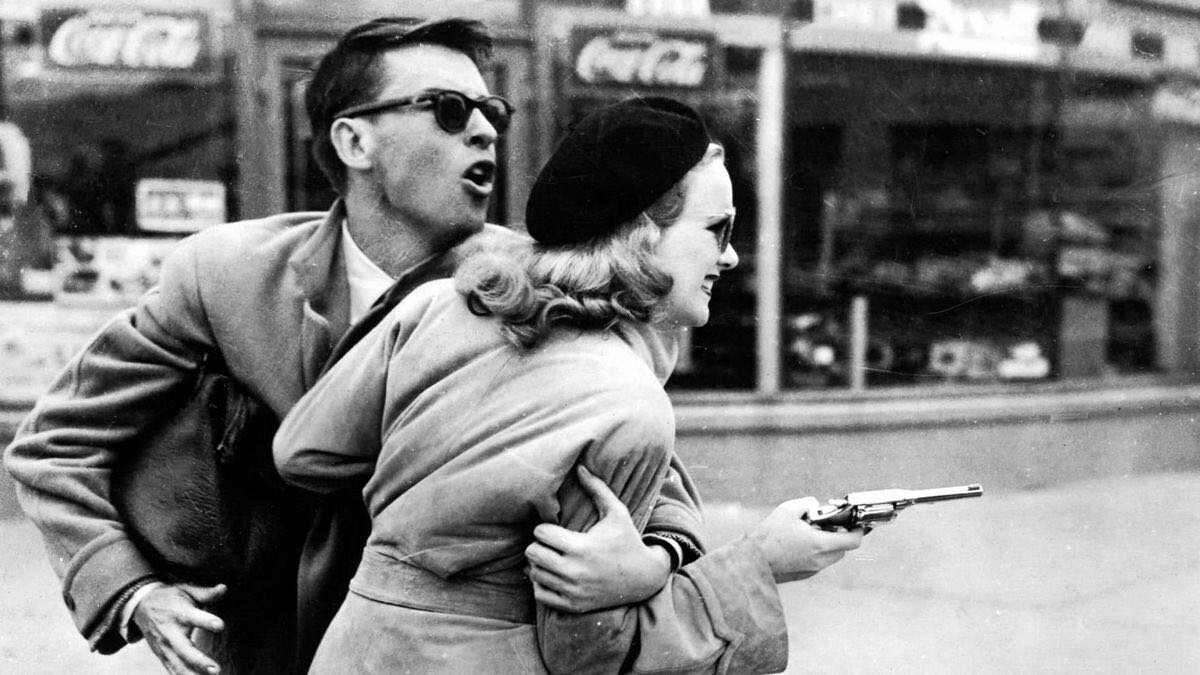
Gun Crazy (Joseph H. Lewis, 1950).
- Melbourne, through November 15: The Heide Museum of Modern Art presents Brassaï: Secret Paris, a comprehensive survey of the eponymous Hungarian-born, French photographer’s work, with an emphasis on his photographs of city nightlife.
- New York, July 30 through August 2: The Asia Society presents the 49th Annual Asian American International Film Festival, featuring Wregas Bhanuteja’s Levitating (2026) as its opening-night film.
- Toronto, July 31 through August 20: TIFF Cinematheque presents Christopher Nolan: Grand Designs, a retrospective of the London-born filmmaker in honor of his latest film The Odyssey.
- Chicago, July 31 through August 27: The Siskel Film Center presents Vroom, Screech, a series about films “that celebrate and complicate the car chase,” including Gun Crazy (1950) and Traffic (1971).
RECOMMENDED VIEWING
- Warner Bros. presents a trailer for Dune: Part Three (2026), Denis Villeneuve’s third and final entry in his Dune trilogy.
- Neon presents a trailer for Hope (2026), a sci-fi thriller directed by Na Hong-jin about a local police chief who must defend his community from a mysterious creature who’s being hunted by a group of determined locals.
- A24 presents a trailer for Chris Rock’s Misty Green (2026), about an award-winning actress (Rosalind Eleazar) attempting to stage a comeback and repair her personal life. The film will make its world premiere at the Toronto International Film Festival.
- Neon presents a trailer for It Ends (2025), Alexander Ullom’s directorial debut about a group of friends who find themselves on a never-ending road after taking a wrong turn during a late-night drive.
RECENTLY ON NOTEBOOK
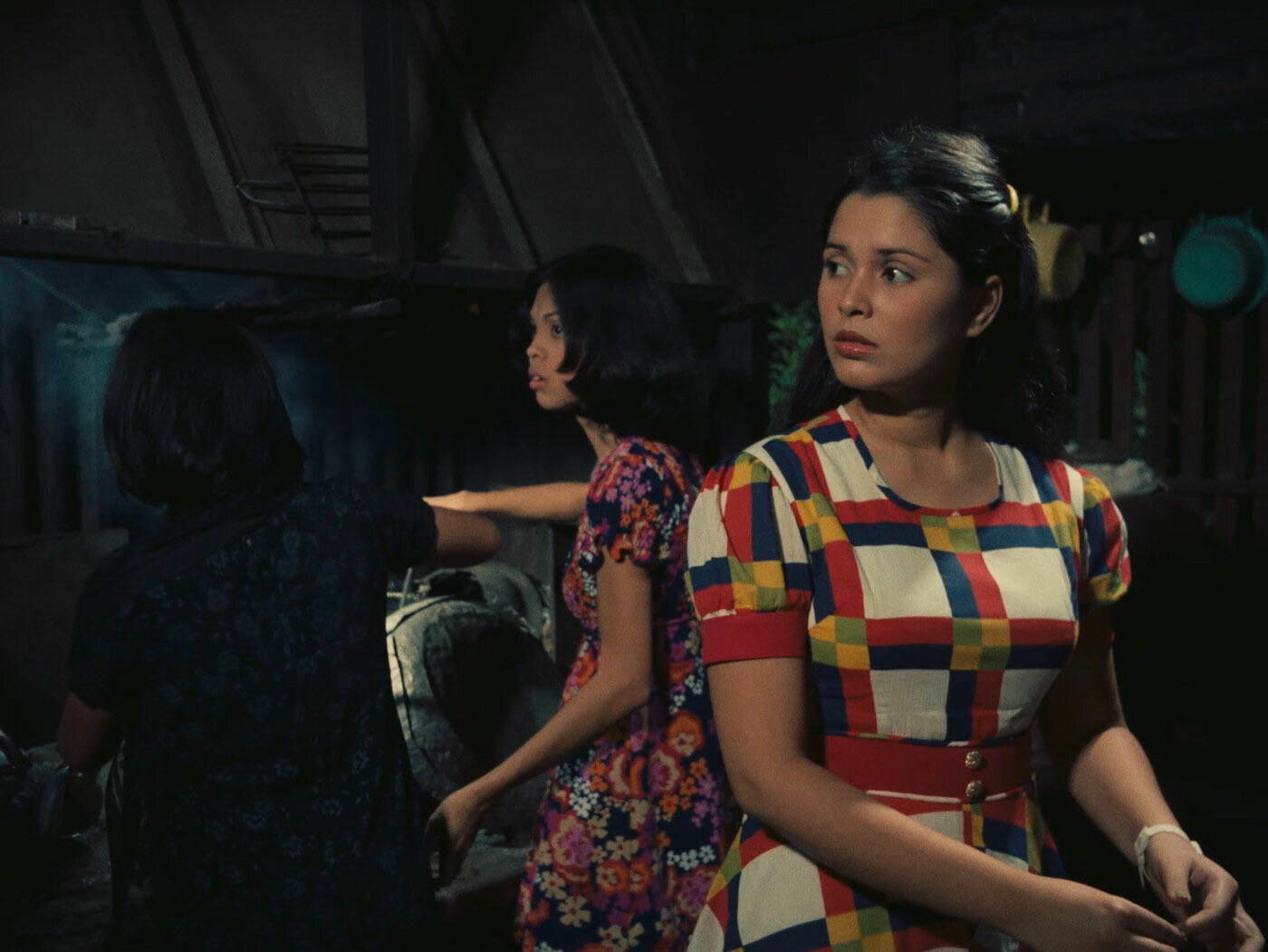
Weighed But Found Wanting (Lino Brocka, 1974).
- “Curiously, the spike in celluloid tourism at film events in recent years has paralleled Bologna’s rise as a foodie destination. The privileging of film prints over digital exhibition has an unusual amount in common with the gourmand’s reverence for texture and subtlety of flavor, and the (arguably elusive) quest for authenticity. No wonder there’s a major overlap between rep rats and bon vivants, a hybrid community surely enchanted by the sheer quantity of Bologna’s offerings.” Beatrice Loayza surveys some of her favorite films at Il Cinema Ritrovato as well as their corresponding gelato flavors.
- “In the Arsenale, however, video is key to the infrastructure of the exhibition, anchoring an industrial maze of galleries with rooms dedicated to a single moving-image work. A four-channel video that practically opens the exhibition, American artist Cauleen Smith’s The Wanda Coleman Songbook (2024) is a love letter to the eponymous late poet and her and Smith’s shared hometown of Los Angeles. Smith portrays the landscapes of the city’s neighborhoods while a seven-song soundtrack featuring Black composers reinterprets Coleman’s prose. To complete the viewing experience, a Persian-style rug is laid out underfoot, a record player turns nearby, and the earthy scent of Griffith Park is diffused into the space.” Madeleine Seidel examines video art exhibitions at the 61st Venice Biennale, including works by Florence Lazar, Éric Baudelaire, and a group show staged by Fondazione In Between Art Film.
- “The brief introduction to Beatriz Guido’s short story The Usurper in the 1986 collection Other Fires: Stories from the Women of Latin America reads: ‘At the age of eight, Beatriz Guido decided that she wanted to go to a convent school “because nuns are so mysterious.”’ The anecdote is left uncited, a mystery in itself floating in the text, but its arch candor captures something essential about the work of the Argentinian author and screenwriter over her decades of writing: To truly know something, you have to be on the inside. But to reach this position of knowledge, whether of the convent or the upper echelons of Argentinian society—did that mean belonging, infiltrating, or worse yet, falling into a trap? And once you’re in, how do you escape?” Caitlin Quinlan explores a trilogy of films by Argentine writer Beatriz Guido and her filmmaker husband Leopoldo Torre Nilsson and how they reflect the life of “a woman both welcomed and rejected by the world around her.”
- “Parody, then, seems like the wrong word for Maddie’s Secret (2025) and other films in the same vein, which end up feeling more like old school drag. Early’s history of impersonation, down to his exquisite reenactment of Showgirls (1995), isn’t so far from what drag performers have been doing for decades. Though he has, in interviews, noted that he never considered his performance to be ‘drag,’ that doesn’t diminish that it very much is drag. There’s no condescension or joke built into the fact that he is a woman, much in the same way that one never questions Divine as a mother in Polyester (1981) or Hairspray (1988), but it is still the artform of drag, simply manifested earnestly.” Juan Barquin utilizes Maddie’s Secret to explore the “long cultural history” of camp, where “comedy is inextricable from [its] sincerity.”
WISH LIST
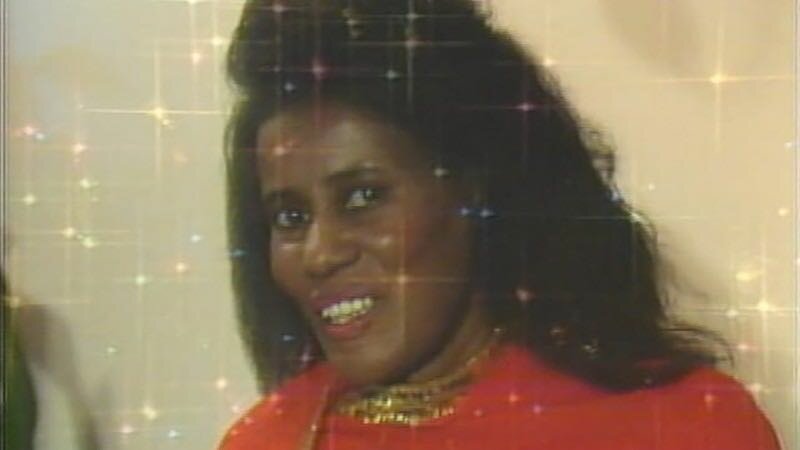
Eternity's Pillar (Alice Coltrane, 1985-88).
- Reflections from a Cinematic Cesspool, a memoir about underground cinema from George and Mike Kuchar, with a foreword by John Waters, is available to preorder from MIT Press.
- Eternity’s Pillar (1985–88), Alice Coltrane’s late-night television program, which blends “music, meditation, chanting, and an avant-garde video-art aesthetic, is available to purchase from Exotic Material on Blu-ray in the UK.
EXTRAS

The Brown Bunny (Vincent Gallo, 2003).
- Vincent Gallo has listed the actual 2002 Dodge Ram from The Brown Bunny (2003) for purchase on eBay.